Italian Ricotta Pie (Crostata di Ricotta)

Italian Ricotta Pie (Crostata di Ricotta)

This post may contain affiliate links, that help support this blog. If you make a purchase through these links, I may earn a commission—at no cost to you. For more information read my disclosure policy.

Italian Ricotta Pie is a classic rustic dessert found in many Italian homes, especially around holidays like Easter. It’s made with pasta frolla, a tender Italian sweet pastry dough, and filled with creamy sweetened ricotta scented with orange zest and studded with chocolate. The result is a pie that’s rich but not overly sweet, with a delicate citrus aroma and a buttery crust.

This dessert has roots in southern Italian baking traditions where ricotta is commonly used in pastries. Draining the ricotta is key—it creates a thick, velvety filling that slices beautifully and holds its shape. Paired with the crisp, cookie-like pasta frolla, it becomes a simple but elegant dessert perfect for holidays, Sunday dinners, or with an afternoon espresso.

Things to know about this Italian Ricotta Pie (Crostata di Ricotta)

  • Drain the ricotta well: This prevents a watery filling and keeps the pie creamy.

  • Use whole milk ricotta: It gives the richest flavor and texture.

  • Let it cool completely: Cutting too early can cause the filling to be soft.

  • Even better the next day: Like many Italian desserts, the flavors deepen after resting overnight in the refrigerator.


Serving Suggestions

Serve Italian Ricotta Pie slightly chilled or at room temperature. A light dusting of powdered sugar on top makes it beautiful and simple. It pairs perfectly with espresso, cappuccino, or a small glass of sweet dessert wine.


Storage

Store the pie covered in the refrigerator for up to 4 days. Because of the ricotta filling, it should always be kept chilled.

Love traditional Italian baking? Try these recipes next on the blog:

They’re simple, authentic recipes that bring classic Italian flavors right into your kitchen.


Italian Ricotta Pie (Crostata di Ricotta)

This traditional Italian ricotta pie features a buttery pasta frolla crust filled with sweetened ricotta, eggs, orange zest, and chocolate chips for a creamy, classic Italian dessert.

  • 2 1/2 cups flour
  • 1/2 cup sugar
  • 1 tsp. baking powder
  • 1 stick cubed cold butter
  • 1 1 egg
  • 1 1 egg yolk
  • 1 Tbsp. lemon zest
  • 1 Tbsp. vanilla
  • For The ricotta filling
  • 2 cups well drained whole milk ricotta
  • 3/4 cup sugar
  • 1 Tbsp. grated orange zest
  • 2 large eggs
  • 1 tsp. vanilla extract
  • 1 cup semi- sweet chips or chopped dark chocolate
  • 1 cup jam (an additional layer)
  1. 1. Drain the Ricotta

    Place the ricotta in a fine mesh strainer or cheesecloth over a bowl. Cover and refrigerate for at least 1 hour or overnight to remove excess moisture.

  2. 2. Make the Pasta Frolla

    In a large bowl whisk together the flour, sugar, baking powder, and salt.

    Add the cold butter and work it into the flour mixture with your fingers or a pastry cutter until the mixture resembles coarse crumbs.

    Add the egg, egg yolk, vanilla, and lemon zest. Mix just until a dough forms.

    Shape the dough into a disk, wrap in plastic wrap, and refrigerate for 30–60 minutes.

  3. 3. Make the Ricotta Filling

    In a bowl combine the drained ricotta and sugar until smooth.

    Add the eggs, orange zest, and vanilla and mix until fully combined.

    Fold in the chocolate chips.

  4. 4. Assemble the Pie

    Preheat oven to 350°F (175°C).

    Roll out about ⅔ of the pasta frolla and press it into a 9-inch pie dish or tart pan, bringing the dough up the sides.

    Spread the jam evenly over the bottom crust.

    Pour the ricotta filling over the jam layer and smooth the top.

    Roll out the remaining dough and cut into strips to create a lattice pattern over the filling.

  5. 5. Bake

    Bake for 40–50 minutes, or until the crust is golden and the filling is set.

    Allow the pie to cool completely for about 2 hours before slicing.

Dessert
Italian
Italian, ricotta, pie


Ciambelle (Unfilled Italian Donuts)

Ciambelle (Unfilled Italian Donuts)

In Italy, Ciambelle are the kind of simple pastry that never goes out of style. Long before elaborate glazes and over-the-top toppings, these golden ring donuts were made with basic pantry ingredients, lightly scented with lemon zest, fried until perfectly puffed, and rolled in sugar. Their name comes from the Italian word ciambella, meaning “ring,” and versions of these sweet breads have been part of Italian home baking for generations.

You’ll find them in neighborhood bakeries, at festivals, and on Sunday mornings alongside a strong espresso. They aren’t meant to be flashy — they’re meant to be comforting.

At our restaurant, we served them warm with espresso, just as they would in Italy. There’s something special about that pairing — the slight bitterness of the coffee against the soft, sweet dough. It’s simple, authentic, and unforgettable.

These Ciambelle are exactly that: traditional, unfussy, and rooted in real Italian baking.

DO NOT PUT IMAGES IN THIS TEXT BLOCK!

Things to know about these Ciambelle (Unfilled Italian Donuts)

  • Lemon zest is the signature Italian flavor — don’t skip it.

  • The dough should be soft and slightly tacky but not sticky.

  • Fry at 350°F for even cooking and that golden exterior.

  • These are best enjoyed fresh the same day.

  • You can bake them, but frying gives the classic texture and flavor.

Storage

  • Store at room temperature in an airtight container for up to 2 days.

  • Reheat briefly in the microwave (8–10 seconds) to soften.

  • They can be frozen (without the sugar coating) for up to 1 month. Thaw, warm slightly, then roll in fresh sugar before serving.

  • If you love traditional Italian baking, be sure to check out my other classic recipes and bring even more authentic flavors into your kitchen.

     Traditional Italian Esse cookies ( S cookies )

    Classic favorite Italian Tiramisu recipe a real pick you up dessert

    Or my personal favorite Pureed Apple and walnut bundt

    And if you make these Ciambelle, leave a comment and let me know — I love seeing your creations!


Ciambelle (Unfilled Italian Donuts)

  • Prep: 20 minutes

  • Rise: 1½–2 hours

  • Cook: 15 minutes

  • Servings: 10–12 donuts

Ingredients

Instructions

  1. 1️⃣ Activate the Yeast

    In a small bowl, combine warm milk, 1 tablespoon of the sugar, and yeast. Let sit 5–10 minutes until foamy.

    2️⃣ Make the Dough

    In a large bowl (or stand mixer):

    • Combine flour, remaining sugar, and salt.

    • Add eggs, vanilla, lemon zest, and yeast mixture.

    • Mix until combined.

    • Add softened butter and knead 8–10 minutes until smooth and elastic.

    The dough should be soft but not sticky.

    3️⃣ First Rise

    Place in a lightly oiled bowl, cover, and let rise 1–1½ hours until doubled.

    4️⃣ Shape the Rings

    • Turn dough onto a floured surface.

    • Roll to about ½-inch thickness.

    • Cut circles using a 3-inch cutter.

    • Cut a small hole in the center (or use your finger to stretch gently).

    • Place on parchment squares.

    Cover loosely and let rise again 30–45 minutes.

    5️⃣ Fry

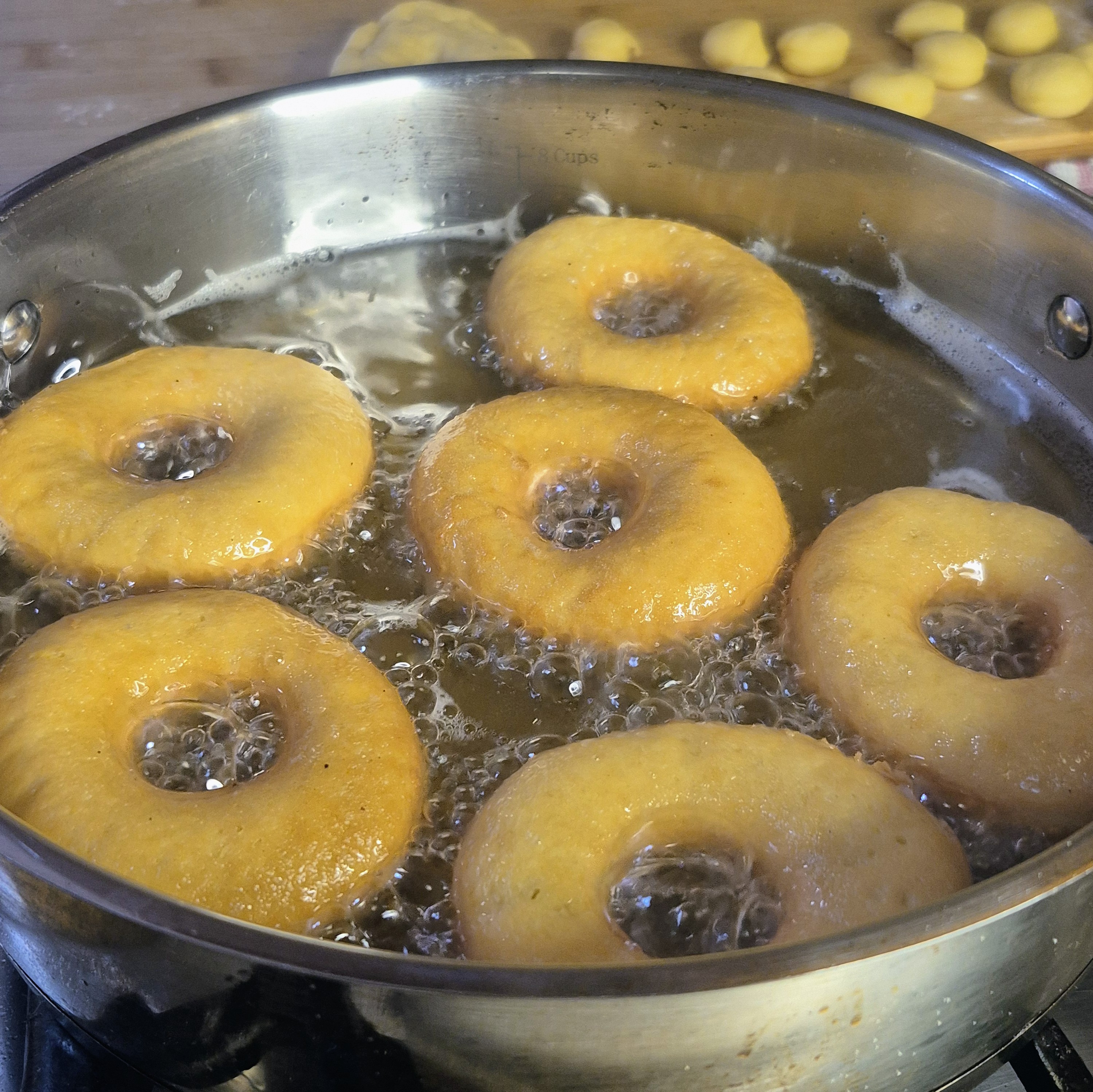
     In a deep fry pan Heat oil to 350°F (175°C).
    Fry 1–2 at a time, about 1–2 minutes per side, until golden brown.

    Do not overcrowd.

    6️⃣ Coat

    While still warm, roll in granulated sugar.

  2. Second
  3. And so on


Traditional Italian S Cookies (Biscotti Esse)

Traditional Italian S Cookies (Biscotti Esse)

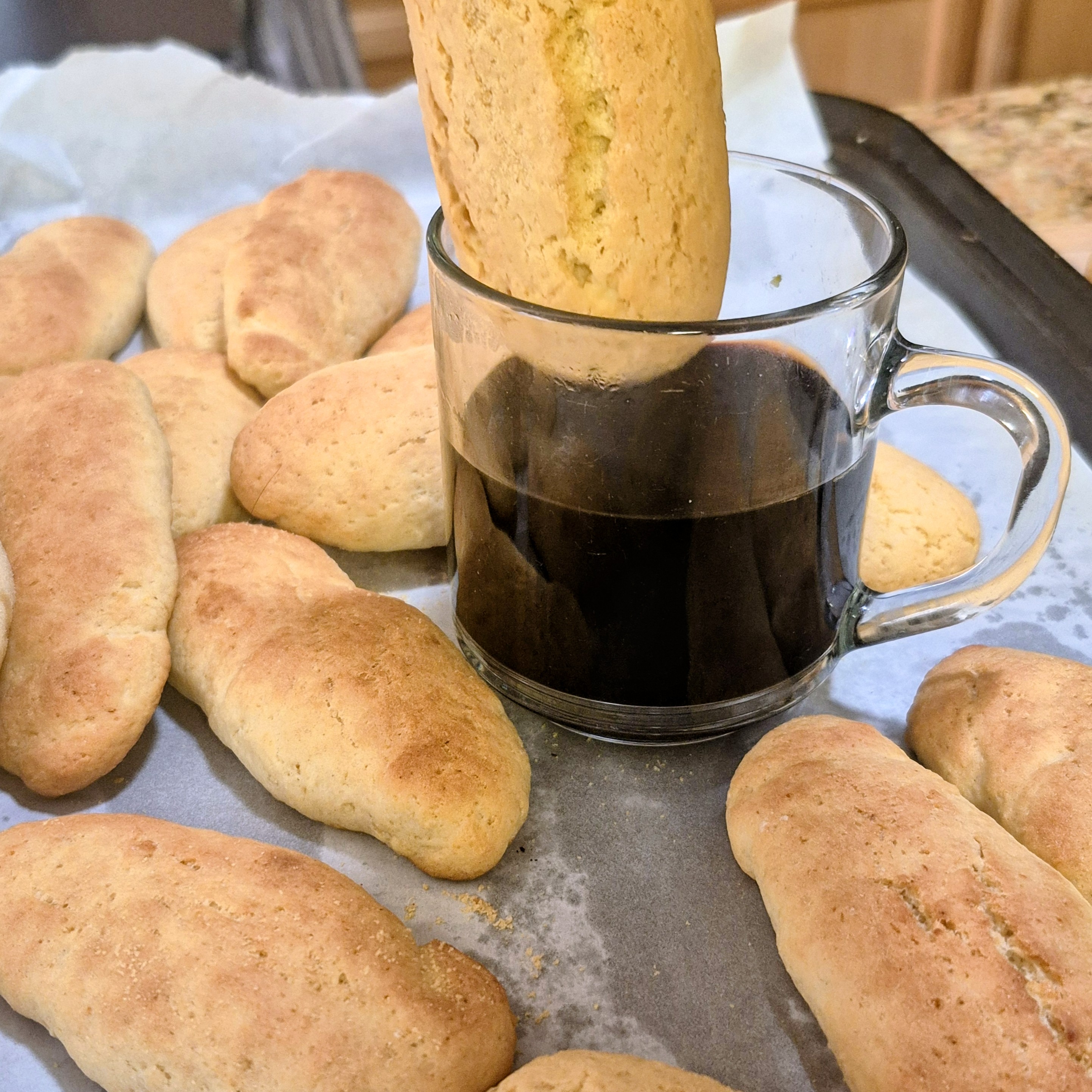
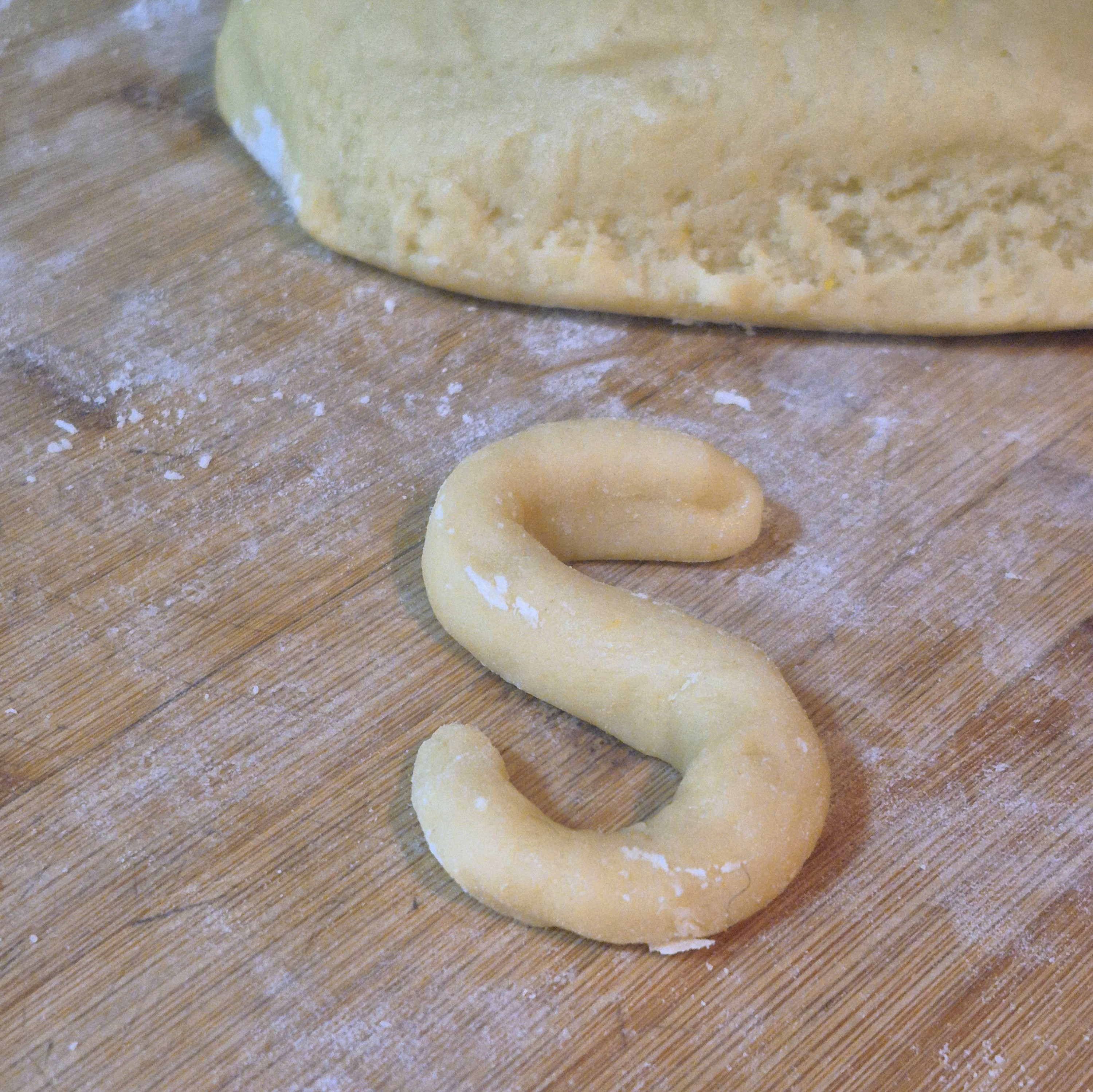
These classic Italian S cookies, known as Biscotti Esse, are an old-school staple found in Italian bakeries and home kitchens across Italy. Their simple S shape comes from the Italian word esse—the letter S—and dates back to a time when cookies were made with basic pantry ingredients and mixed by hand.

Simple, unfussy, and timeless, these cookies are crisp on the outside, tender inside, and meant to be enjoyed with espresso, coffee, or tucked onto a holiday cookie tray.

Things to know about this Traditional Italian S Cookies (Biscotti Esse) recipe

  • Esse cookies are traditionally pale; avoid overbaking so they stay tender inside.

  • Butter is rubbed into the flour first, creating a delicate, bakery-style crumb.

  • Dough should be soft and smooth, not sticky—dust hands lightly with flour if needed.

  • These cookies are lightly sweet and designed to be served with coffee or espresso.

  • Store in an airtight container at room temperature for up to 5 days.

  • Baked cookies freeze well for up to 2 months.

  • If you love old-school Italian baking, don’t miss my other classic recipes like Italian Amaretti Cookies recipe, Authentic Italian Tiramisu, Traditional Italian Almond Biscotti, and my collection of Italian Christmas cookies. Save this recipe, share it with a fellow cookie lover, and let me know in the comments if your Nonna made them this way too 🤍

Ingredients

Yields

Makes approximately 30–36 S cookies, depending on size.

3 cups (360 g) all‑purpose flour

2 teaspoons baking powder

1/4 teaspoon salt

1/2 cup (113 g) unsalted butter, cold and cubed

1 cup granulated sugar

2 large eggs, room temperature

1 Tbsp. vanilla extract

Zest  of 1 lemon

Instructions

  • Preheat oven to 350°F (175°C) and line two baking sheets with parchment paper.
  • In a large bowl, whisk together the flour, baking powder, and salt.
  • Add the cold butter and work it into the flour with your fingertips until the mixture is fine and crumbly.
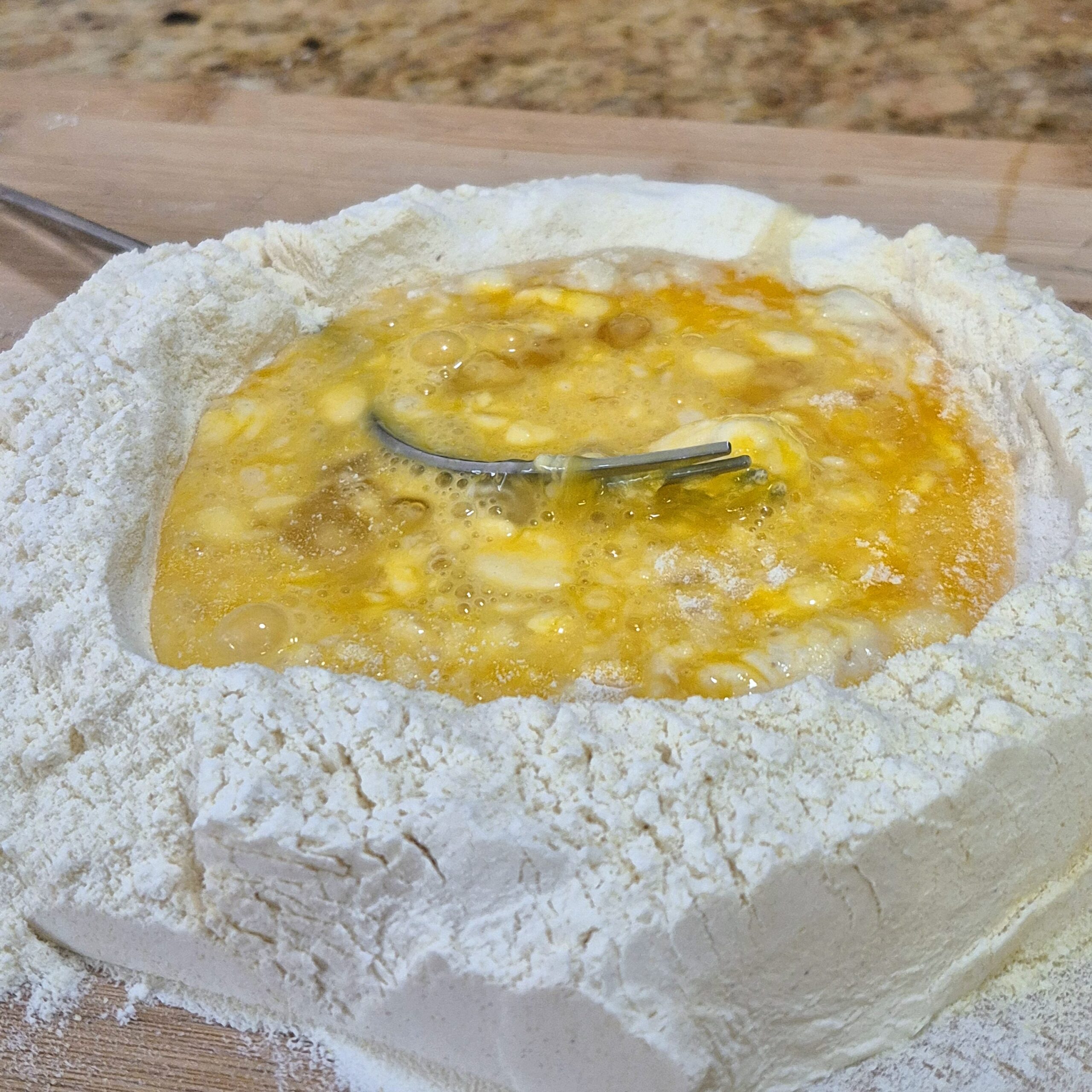
  • Make a well in the center of the flour mixture.
  • Add the sugar, eggs, vanilla, and lemon zest into the well.
  • Using a fork, beat the eggs gently and begin pulling the flour in from the sides.
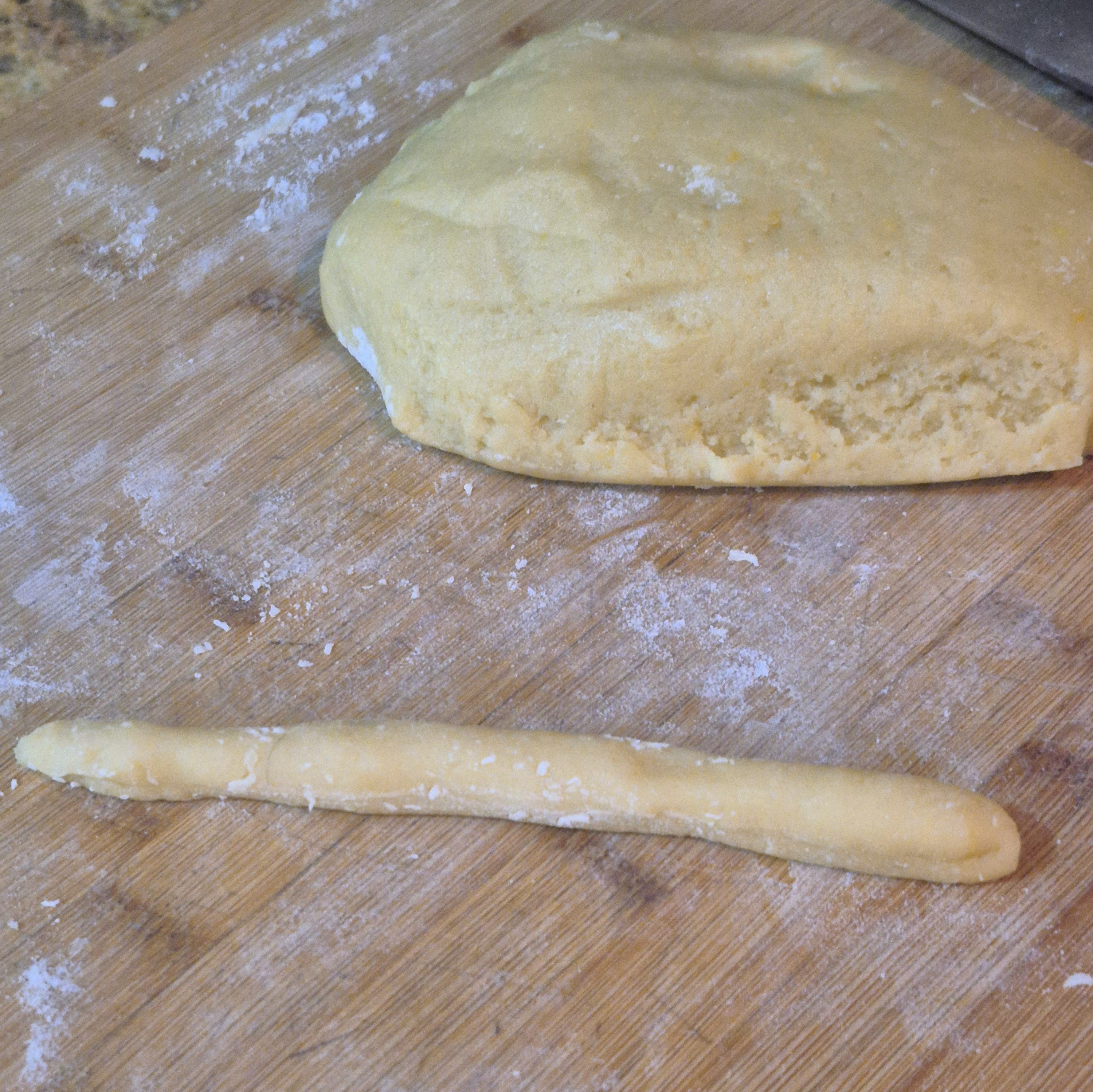
  • Once the dough starts to come together, use your hands to gently work it until smooth and soft. Do not overwork.
  • Transfer the dough to a piping bag fitted with a large plain tip, or shape by hand.
  • Pipe or form S‑shaped (esse) cookies onto the prepared baking sheets, spacing slightly apart.
  • Bake for 10–12 minutes, until set and lightly golden on the bottom. Tops should remain pale.
  • Cool on the baking sheet for 5 minutes, then transfer to a wire rack to cool completely.


Classic Italian Tiramisu recipe

Classic Italian Tiramisu recipe

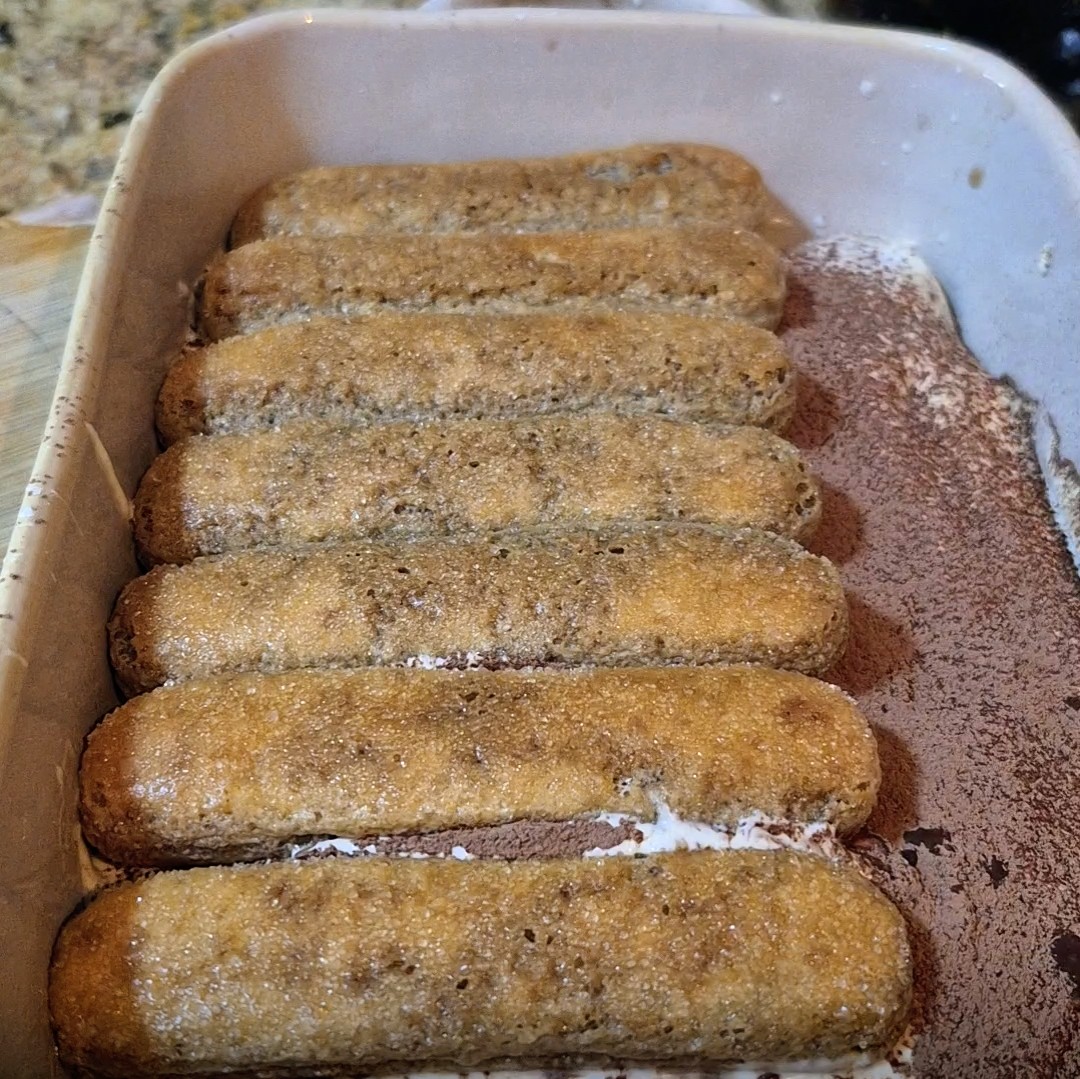
Classic Italian Tiramisu is one of Italy’s most iconic desserts, made with layers of espresso-soaked ladyfingers and a delicate mascarpone cream. The modern version is widely believed to have originated in the Veneto region, in the city of Treviso, and was popularized in the late 1960s at the renowned restaurant Le Beccherie. This dessert was also a staple in my own restaurant, where we prepared it using the traditional zabaglione water-bath method—simple ingredients, proper technique, and patience—just as it’s meant to be served in Italian kitchens and classic trattorias.

Things to know about this Classic Italian Tiramisu recipe

  • Make it ahead: Tiramisu improves with time. For best flavor and structure, make it at least 6 hours ahead, or ideally the day before serving.

  • No baking required: The only cooking involved is gently tempering the egg yolks over a water bath (zabaglione method).

  • Food-safe eggs: The water bath brings the yolks to a safe temperature while keeping the cream light and silky.

  • Mascarpone matters: Use full-fat mascarpone and keep it cold until ready to fold in—this prevents a loose or grainy filling.

  • Cocoa timing: Always dust the cocoa powder just before serving to keep it dry and vibrant.

  • Tips for Success

    • Whisk constantly over the water bath: Gentle heat and steady whisking create a smooth, stable zabaglione—never rush this step.

    • Do not over-soak the ladyfingers: A quick dip (1–2 seconds) is enough. Too much espresso will collapse the layers.

    • Fold, don’t stir: When combining whipped cream with the mascarpone mixture, fold gently to keep the tiramisu light.

    • Chill thoroughly: Proper chilling allows the layers to set and flavors to meld—this is key to clean slices.

    • Use quality espresso: Strong, freshly brewed espresso gives tiramisu its signature depth and balance.

    • Storage

      • Refrigeration: Store tiramisu covered in the refrigerator for up to 3 days. The flavor actually improves after the first day.

      • Best container: Keep it tightly wrapped or in an airtight container to prevent it from absorbing fridge odors.

      • Freezing: While tiramisu can be frozen for up to 1 month, the texture of the mascarpone cream is best when enjoyed fresh. If freezing, wrap well and thaw overnight in the refrigerator.

      • Serving after storage: Always dust with fresh cocoa powder right before serving, especially if it has been refrigerated or frozen.

      • If You Loved This Recipe…

        If you enjoyed this classic Italian tiramisu, be sure to explore more traditional Italian desserts and restaurant-style recipes on the blog. You may also like:

Classic Italian Tiramisu recipe

Servings & Timing

  • Servings: 8–10

  • Prep Time: 30 minutes

  • Chill Time: 4–6 hours (overnight preferred)

  • Total Time: About 5 hours

  • Pan Size: 8 x 8–inch square dish, at least 2 inches deep

  • Cook Time: None (gentle water bath only)


Ingredients

  • 6 large egg yolks, room temperature

  • ¾ cup granulated sugar

  • 8 oz (1 cup) mascarpone cheese, cold

  • 1½ cups heavy cream, cold

  • 2 cups strong espresso, cooled

  • 2 Tbsp Marsala wine or dark rum (optional but traditional)

  • 24–30 savoiardi (ladyfingers)

  • Unsweetened cocoa powder, for dusting

  • Dark chocolate shavings (optional)

Instructions

1. Make the Zabaglione (Water Bath Method)

  • Bring a few inches of water to a gentle simmer in a saucepan.

  • In a heatproof bowl, whisk egg yolks and sugar until combined.

  • Place the bowl over the simmering water (do not let the bowl touch the water).

  • Whisk constantly for 5-6 minutes, until thick, pale, and warm to the touch (about 160°F / 71°C).

  • Remove from heat and allow to cool slightly.

2. Add Mascarpone

  • Gently whisk mascarpone into the warm zabaglione until smooth and creamy.

  • Set aside.

3. Whip the Cream

  • In a separate bowl, whip cold heavy cream to stiff peaks.

  • Fold gently into the mascarpone mixture, keeping the cream light and airy.

4. Prepare the Espresso

  • Stir Marsala wine (or rum) into the cooled espresso.

5. Assemble

  • Quickly dip each ladyfinger into the espresso (1–2 seconds per side).

  • Arrange a single layer in an 8×8-inch dish.

  • Spread half of the mascarpone cream evenly over the cookies.

  • Repeat with another layer of dipped ladyfingers and finish with remaining cream.

6. Chill

  • Cover and refrigerate at least 4–6 hours, preferably overnight for best flavor and structure.

7. Finish & Serve

Dust generously with cocoa powder just before serving.

Add chocolate shavings if desired


Ravioli Dolci di Ceci (Italian Fried Chickpea Pastries)

Ravioli Dolci di Ceci (Italian Fried Chickpea Pastries)

There are some Italian recipes that were never written down because they never needed to be. These are one of them. Growing up, I didn’t know what these were called — I don’t think my family really did either. They were simply i dolci di Natale, the sweet fried pastries that appeared around the holidays, usually when the oil was already hot and the kitchen smelled like citrus, cocoa, and sugar.

Only later did I learn that many Italian families made some version of these: a simple pasta frolla dough, filled with a sweet chickpea and cocoa mixture, folded like little ravioli, and fried until golden. It’s pure cucina povera ingenuity — turning humble pantry ingredients into something rich, comforting, and surprisingly elegant.

If chickpeas in dessert sound strange, trust me: you don’t taste them. They create a creamy, almost chestnut-like base that carries chocolate and orange beautifully. These are crisp on the outside, soft in the center, and even better the next day re crisped

Things to know about Ravioli Dolci di Ceci (Italian Fried Chickpea Pastri

  • You should not taste the chickpeas — they act as a creamy base, similar to chestnuts.
  • If the filling feels loose, add 1 tablespoon ground almonds, crushed amaretti, or fine breadcrumbs.
  • These keep well for 2–3 days, lightly covered at room temperature.
  • They’re even better the next day once the flavors settle.
  • Why You’ll Love This Recipe

  • Simple pantry ingredients
  • Deeply traditional and nostalgic
  • Perfect for holidays and special occasions
  • A beautiful example of Italian cucina povera
  • A Note From My Kitchen

    This is one of those recipes that reminds me why I love Italian food so much. It’s not about fancy ingredients — it’s about memory, practicality, and making something special from what you already have. If your family made something similar, chances are it didn’t have a name either — and that’s exactly what makes it special.

    If you try these, I’d love to hear what your family called them — or if they just appeared on the table like magic.

  • If you love traditional Italian holiday sweets, be sure to explore more of my favorites:


Ravioli Dolci di Ceci (Italian Fried Chickpea Pastries)

Servings & Timing

  • Servings: about 20–24 pastries
  • Prep Time: 45 minutes
  • Chill Time: 30 minutes
  • Cook Time: 15 minutes

Ingredients

  • Pasta Frolla (Sweet Pastry Dough)

  • 2 ½ cups (315 g) all-purpose flour
  • ½ cup (100 g) granulated sugar
  • ½ cup (113 g) unsalted butter, cold and cubed
  • 1 large egg
  • Zest of 1 lemon or orange
  • Pinch of salt

½ teaspoon vanilla extract (optional)

Chickpea Filling

  • 1 ½ cups cooked chickpeas, well-drained
  • ½ cup (100 g) granulated sugar
  • ¼ cup (25 g) unsweetened cocoa powder
  • Zest of 1 orange
  • ½ teaspoon ground cinnamon
  • ½ teaspoon vanilla extract
  • 2–3 tablespoons milk or espresso, added gradually
  • Pinch of salt
  • For Frying & Finishing

  • Neutral oil (vegetable or sunflower)
  • Powdered sugar, for dusting

Instructions

1. Make the Pasta Frolla

In a large bowl, combine the flour, sugar, and salt. Add the cold butter and rub it in with your fingertips until the mixture resembles coarse crumbs.

Add the egg, citrus zest, and vanilla. Gently bring the dough together just until it forms. Do not overwork.

Form into a disk, wrap tightly, and refrigerate for at least 30 minutes.

2. Prepare the Chickpea Filling

Dry the chickpeas very well with a kitchen towel. This is key to avoiding a loose filling.

Place the chickpeas in a food processor and process until very smooth, scraping down the sides as needed.

Add the sugar, cocoa powder, orange zest, cinnamon, vanilla, salt, and 2 tablespoons of milk or espresso. Process until thick and creamy. Add the remaining tablespoon only if needed.

The filling should be thick and spoonable, not loose. Chill for 20–30 minutes if needed.

3. Roll and Fill

You can roll the dough by hand with a rolling pin or use a pasta machine, both of which are traditional.

Rolling pin method: Roll the chilled dough very thin on a lightly floured surface — almost like ravioli dough. You should be able to see a faint shadow of your hand through it.

Pasta machine method: Divide the dough into manageable pieces. Flatten slightly, then pass through the pasta machine starting at the widest setting. Fold and pass through once or twice, then continue rolling thinner until you reach about setting 5–6, or just thinner than fresh pasta sheets.

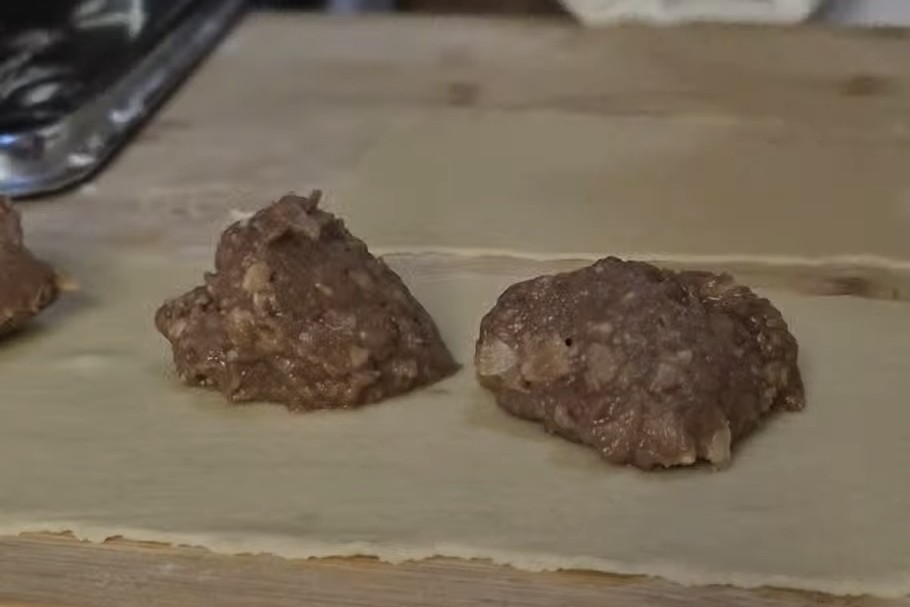
Cut the dough into rectangles or circles. Place about 1 teaspoon of filling in the center of each.

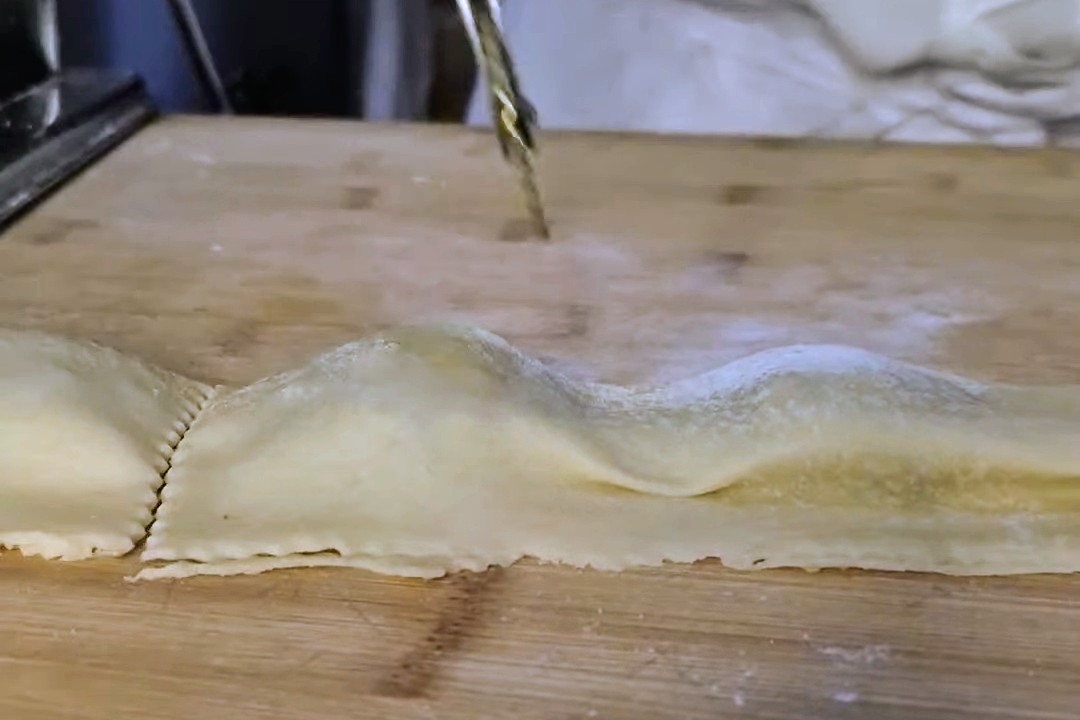
Lightly moisten the edges with water, fold over, and press firmly to seal. Crimp with fingers or a fork. Trim edges neatly.


4. Fry

Heat oil to 350°F (175°C).

Fry pastries in batches, turning once, until golden brown — about 1–2 minutes per side.

Transfer to paper towels to drain.

5. Finish

Dust generously with powdered sugar while still warm.


Italian Hot Chocolate (Cioccolata Calda)

Italian Hot Chocolate (Cioccolata Calda)

Italian hot chocolate, or cioccolata calda, is rich, thick, and intensely chocolatey—nothing like the thin versions most of us grew up with. In Italy, it’s meant to be slowly enjoyed, often served with a spoon, and savored on cold days at a café or at home. Made with just a handful of simple ingredients, this traditional recipe delivers a smooth, velvety texture and deep chocolate flavor that feels both comforting and indulgent.

Things to know about  Italian Hot Chocolate (Cioccolata Calda)

  • Italian hot chocolate is meant to be thick and spoonable, not thin like American-style hot chocolate.

  • Using high-quality dark chocolate makes a noticeable difference in both flavor and texture.

  • Always whisk the cornstarch with cold milk first to avoid lumps and ensure a silky finish.

  • This recipe thickens quickly, so stir constantly and remove from heat as soon as it reaches the desired consistency.

  • If you make this Italian hot chocolate, leave a comment below and let me know how you enjoyed it. For the perfect pairing, serve it with one of my classic Italian cookies—Angel wings, , or Pizzicati Pinch Cookies. The rich, thick chocolate is especially delicious alongside crisp or nutty cookies. Be sure to click through to those recipes and explore more traditional Italian cookie favorites here on the blog.

Italian Hot Chocolate (Cioccolata Calda)

Servings

  • Serves 2

Cook Time

  • 5 minutes

(Prep time is minimal since everything is whisked and cooked in one saucepan.)

Ingredients

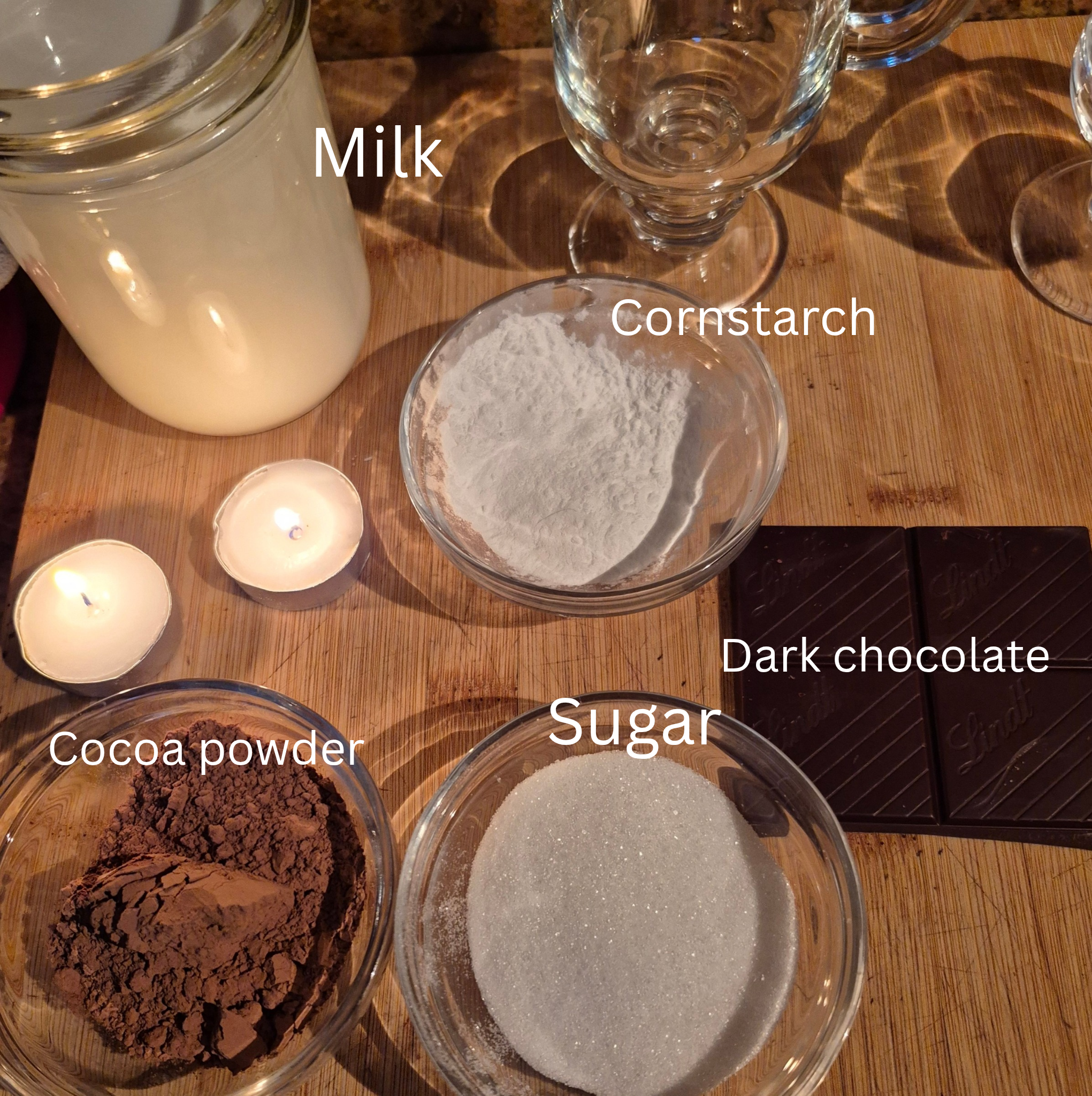
  • 2 cups whole milk

  • 3 ounces high-quality dark chocolate (70% cacao), finely chopped

  • 2 tablespoons unsweetened cocoa powder

  • 2 tablespoons granulated sugar

  • 1 tablespoon cornstarch

  • Pinch of salt

  • Instructions

  • In a small bowl, whisk the cornstarch with ¼ cup of the milk until completely smooth, creating a slurry. Set aside.

  • In a small saucepan over medium heat, add the remaining milk, cocoa powder, sugar, and salt. Whisk well until fully combined.

  • Warm the mixture until steaming but do not let it boil.

  • Add the chopped dark chocolate and stir until melted and smooth.

  • Whisk in the cornstarch slurry and continue cooking, stirring constantly.

  • Cook for 2–4 minutes, until the hot chocolate thickens to a rich, velvety, spoon-coating consistency.

  • Remove from heat and stir in vanilla or citrus zest, if using.

  • Serve immediately in small cups, just as it’s enjoyed in Italian cafés. Optional top with fresh whipped cream.


Crema Pasticcera – Italian Pastry Cream Recipe

 Crema Pasticcera – Italian Pastry Cream Recipe

Crema pasticcera  Italian pastry cream is the heart of so many beloved Italian desserts — a smooth, glossy custard that’s rich but never heavy, sweet but not overly so, and endlessly versatile. Growing up around Italian kitchens and bakeries, this was the first “fancy” cream I learned to make, even before mastering pie dough. It shows up everywhere: layered in cakes, tucked inside pastries, dolloped into fruit tarts, and folded into whipped cream for a dreamy diplomat filling.

This recipe is simple, deeply traditional, and the one I return to every single time. It’s made with just a handful of staples you probably already have in your kitchen, and when cooked low and slow, it becomes the silkiest custard imaginable. Perfect for everyday desserts or any special occasion.

Things to know about this  Crema Pasticcera  Italian Pastry Cream Recipe

Tips for Perfect Crema Pasticcera

  • Low heat is everything — slow and steady prevents lumps.

  • Whisk constantly to keep the texture smooth.

  • Strain it if you see even a hint of curdling.

  • Use whole milk for richness and stability.

  • Chill it properly before using in filled pastries.


Serving & Variations

  • Fill cornetti, bomboloni, or cream puffs

  • Layer inside sponge cakes

  • Spoon into fruit tarts

  • Fold with whipped cream for crema diplomatica

  • Add cocoa powder to make crema al cioccolato

  • Add espresso for a mocha version

  • Storage

  • Store in an airtight container with plastic wrap pressed on the surface.

  • Keeps 3–4 days in the refrigerator.

  • Do not freeze — the texture will separate.

  • Ready to use your crema pasticcera? Try filling some of my favorite Italian desserts: classic Zeppole  fried Italian doughnuts or my Christmas cream puffs and it’s delicious in my Lemon Italian sponge cake

Crema Pasticcera Italian Pastry Cream recipe

Servings: About 2 cups (fills 1 tart or 12–16 pastries)
Cook Time: 10 minutes
Total Time: 20 minutes

Ingredients

  • 2 cups (480 ml) whole milk

  • Zest of 1 lemon (remove in wide strips for easy removal)

  • ½ vanilla bean, split or 1 teaspoon vanilla extract

  • 4 large egg yolks

  • ½ cup (100 g) granulated sugar

  • ¼ cup (30 g) cornstarch

  • 2 tablespoons (28 g) unsalted butter, cut into pieces

Instructions

  1. Warm the milk: In a saucepan, heat the milk with the lemon zest until just steaming. Remove from heat and let it infuse.

  2. Whisk the base: In a bowl, whisk egg yolks and sugar until pale and thick. Add the cornstarch and whisk until smooth.

  3. Temper: Slowly pour the warm milk into the yolk mixture, whisking constantly to prevent scrambling.

  4. Cook to thicken: Return everything to the saucepan and cook over medium-low heat, stirring nonstop, until thick, glossy, and creamy.

  5. Finish: Off the heat, strain if needed, then stir in the butter and vanilla.

  6. Chill: Cover with plastic wrap touching the surface and chill until fully cooled.


Classic Zeppole Italian Fried Doughnuts

Classic Zeppole Italian Fried Doughnuts

These classic zeppole are the ultimate Italian fried doughnuts — light, airy, and golden, with a delicate crisp outside and a soft, pillowy inside. Made from a choux-style dough (similar to cream puffs), they’re simple to make yet irresistibly nostalgic. Dusted with powdered sugar, they bring a taste of Italian celebrations and street fairs right to your kitchen. Perfect for dessert, breakfast, or anytime you crave something sweet and comforting.

Things to know about this Classic Zeppole Italian Fried Doughnut recipe

  • Zeppole are best served fresh and warm, straight from the fryer.

  • The dough is choux-style, similar to cream puffs, so it’s light and airy.

  • You can shape them as round balls or classic rings using a piping bag.

  • Oil temperature matters: keep it around 350°F (175°C) to ensure they puff up and cook evenly.

  • Zeppole are delicious on their own with powdered sugar, or you can fill them with pastry cream, custard, or ricotta for a special treat.

  • Leftovers can be reheated in a 350°F oven for a few minutes, but they’re always best fresh.

Love Italian desserts? Try more sweet treats from the blog like Lemon Ricotta cookies or Italian lemon knot cookies — your next homemade Italian indulgence is just a click away!

Classic Zeppole Italian Fried Doughnuts

Servings: 12–16 zeppole
Prep Time: 15 minutes
Cook Time: 20 minutes
Total Time: 35 minutes

Ingredients

    • 1 cup water

    • 1/2 cup milk
    • 4 tablespoons unsalted butter

    • 2 tablespoons sugar

    • zest from 1 lemon
    • ¼ teaspoon salt

    • 1 cup all-purpose flour

    • 4 large eggs

    • Oil for frying (vegetable or peanut)

    • Powdered sugar, for dusting
      INSTRUCTIONS

    • Heat the liquid:
      In a medium saucepan, combine water, butter, sugar, lemon zest and salt.
      Bring to a simmer over medium heat until the butter is fully melt
    • Add the flour:
      Add the flour all at once and stir vigorously with a wooden spoon.
      Cook for 1–2 minutes, until the dough pulls away from the sides and forms a smooth ball.
      (This cooks out the raw flour taste.)
    • Cool the dough slightly:
      Transfer the dough to a mixing bowl and let it cool for 5 minutes so it doesn’t cook the eggs.

    • Add the eggs:
      Add the eggs one at a time, mixing well after each addition.
      The dough should become smooth, glossy, and pipeable — similar to cream puff dough.

    • Heat the oil:
      In a deep pot, heat oil to 350°F (175°C).

    • Form the zeppole:

      • For round zeppole: Drop spoonful’s of dough directly into the oil.

      • For ring-shaped zeppole: Pipe dough onto small parchment squares, then lower into the oil and peel off the paper.

    • Fry until puffed and golden:
      Fry in batches for 3–4 minutes per side, or until deeply golden and fully puffed.
      Make sure not to overcrowd the pan.

    • Drain:
      Remove to a paper towel–lined tray to drain excess oil.

    • Finish:
      Dust generously with powdered sugar and serve warm.


Peach Tart with Lattice Crust – Italian Crostata

 Peach Tart with Lattice Crust – Italian Crostata

If you saw my Instagram recently, you caught a glimpse of this golden, lattice-topped peach crostata—and now I’m sharing the full recipe! This rustic Italian jam tart, baked in a 9-inch tart pan, pairs juicy fresh peaches with sweet peach jam for a dessert that’s as delicious as it is beautiful. The lattice top adds a touch of classic charm, making it perfect for summer gatherings, brunch, or any special occasion. Follow along to learn how to make this simple yet stunning homemade peach tart from scratch.

Things to know about this Peach Tart with Lattice Crust – Italian Crostata

  • Rustic & Elegant: The lattice top gives it a charming, rustic look while still looking impressive for guests.

  • Fresh & Jammy: Combines fresh peach slices with sweet peach jam for a layered, flavorful filling.

  • Easy to Make: No special equipment needed—just a 9-inch tart pan and basic kitchen tools.

  • Perfect for Any Occasion: Great for summer desserts, brunch, or as a sweet centerpiece for gatherings.

  • Make Ahead Friendly: Can be baked in advance and served at room temperature; keeps well for 1–2 days.

  • Customizable: Swap peaches for seasonal fruits like plums, apricots, or berries.

  • Italian-Inspired: A classic rustic crostata style that’s simple yet authentically Italian.

  • “If you enjoy this peach crostata, you’ll love my other rustic desserts too—don’t miss the Italian Crostata jam tart and Plum Cake recipes for more homemade Italian sweetness!”

Ingredients

  • Traditional Peach Crostata with Lattice Top

    Servings: 8–10
    Prep Time: 25 minutes
    Bake Time: 35–40 minutes
    Total Time: 1 hour

    • 2 cups all-purpose flour (plus more for work surface)

    • 2 tsp baking powder

    • 1 cup granulated sugar

    • 1 stick (½ cup) unsalted butter, softened

    • 2 large eggs

    • 1 tbsp vanilla extract

    • Juice and zest of 1 lemon

    • 2 cups peach jam

    • 2 fresh peaches, thinly sliced

Instructions

    1. Preheat oven to 350°F (175°C). Grease or line a 9-inch tart pan with parchment paper.

    2. Make the dough:

      • In a large bowl, combine flour, baking powder, and sugar.

      • Cut in the cold butter until the mixture resembles coarse crumbs.

      • Make a well in the center, add eggs, vanilla, lemon juice, and zest and whisk. Start to incorporate in the dry ingredients. Then transfer to a lightly floured smooth surface and knead the dough to a smooth consistency (3-4 minutes) cover the dough and let it rest for 30 minutes for easier rolling.

    3. Roll out dough for base:

      • Roll out 2/3 of the dough into a circle slightly larger than 9 inches.

      • Carefully press into the tart pan, letting the edges hang slightly over the rim.

    4. Add the filling:

      • Spread peach jam evenly over the dough, leaving a 1-inch border.

      • Arrange fresh peach slices on top of the jam.

    5. Create the lattice top:

      • Roll out the remaining 1/3 of dough into 10 thin strips.

      • Lay strips over the filling in a crisscross pattern.

      • Fold the edges of the base dough over the lattice strips, pressing gently.

    6. Bake:

      • Brush the dough edges and lattice with a little beaten egg for a golden finish.

      • Bake 35–40 minutes, or until crust is golden and filling is bubbly.

    7. Cool & serve:

      • Let the crostata cool in the tart pan for 15–20 minutes before slicing.

      • Serve warm or at room temperature, optionally with vanilla gelato or whipped cream.


Italian Ricotta Lemon Cake – Moist & Fluffy

Italian Ricotta Lemon Cake – Moist & Fluffy

This Italian Ricotta Lemon Cake is a family recipe close to my heart, made with creamy ricotta for a moist, tender crumb and brightened with fresh lemon zest and juice. My love for ricotta goes back to my roots — when our family came from Italy, both my father and mother were cheesemakers. I grew up watching them craft fresh ricotta by hand, and its rich, delicate flavor has been part of our table for as long as I can remember. This cake is a simple, beautiful way to showcase that tradition, perfect for enjoying with coffee in the morning or as a light, sweet finish to any meal.

Baking this cake fills my kitchen with the same comforting aroma I remember from childhood. It’s a simple yet elegant dessert that feels like a warm hug from home, and the best part is how incredibly easy it is to make — just mix, bake, and enjoy.

Things to know about this Italian Ricotta Lemon Cake – Moist & Fluffy

  • Moist and tender texture – The ricotta keeps the cake soft and never dry.

  • Bright lemon flavor – Fresh zest and juice give a vibrant citrus taste without being overpowering.

  • Perfect any time of day – Enjoy it for breakfast, with afternoon coffee, or as a light dessert.

  • Simple ingredients – Uses pantry staples plus fresh lemons and ricotta.

  • Drain the ricotta – For best results, use whole milk ricotta and drain it in a fine mesh sieve or cheesecloth for at least 30 minutes to avoid excess moisture in the cake.
  • Springform pan recommended – Makes releasing the delicate cake easy.

  • Make-ahead friendly – Stays moist for several days, and the flavor deepens by day two.

  • Versatile – Try adding blueberries, raspberries, or a splash of limoncello for variation.

Ingredients

  • 1 LB. whole milk ricotta cheese, well-drained

  • 3 large eggs

  • 1 1/2  cups granulated sugar

  • 1 1/2 cup  all-purpose flour

  • 1 tsp baking powder

  • 1 tsp. baking soda
  • 1 1/2 sticks of butter at room temperature

  • 2 lemons, zest and juice (about 2–3 tbsp juice and 2 tbsp zest)

  • 1 tsp vanilla extract

  • ¼ tsp salt

  • Powdered sugar, for dusting (optional)

Instructions

  • Prep the pan & oven – Preheat oven to 350°F (175°C). Grease and lightly flour a 9-inch springform pan, or line the bottom with parchment paper.

  • Mix dry ingredients – In a medium bowl, whisk together the flour, baking powder, and salt. Set aside.

  • Beat wet ingredients – In a large mixing bowl, beat the butter, ricotta and sugar together until smooth and creamy, about 2 minutes. Add the eggs, one at a time, mixing well after each.

  • Add flavor – Mix in lemon zest, lemon juice, and vanilla until fully combined.

  • Combine – Gently fold the dry ingredients into the wet mixture until just incorporated. Do not overmix.

  • Bake – Pour batter into the prepared pan and smooth the top. Bake for 40–45 minutes, or until the cake is golden on top and a toothpick inserted in the center comes out clean.

  • Cool & finish – Let the cake cool in the pan for 10 minutes, then release the springform sides. Cool completely on a wire rack. Dust with powdered sugar before serving.