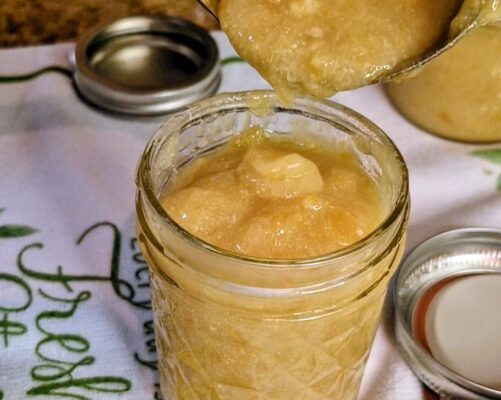
Italian Lemon Jam (Marmellata di Limoni)


Italian Lemon Jam (Marmellata di Limoni)
This post may contain affiliate links, that help support this blog. If you make a purchase through these links, I may earn a commission—at no cost to you. For more information read my disclosure policy.
Bright, sweet, and slightly bitter in the best way, Marmellata di Limoni is a classic preserve made throughout southern Italy where lemons grow in abundance. In regions like the sun-soaked Amalfi Coast and across Sicily, families have long turned their extra citrus into homemade marmellata, preserving the flavor of the harvest to enjoy throughout the year. Unlike many jams, Italian lemon marmalade traditionally uses the whole fruit—peel and all—which gives it its signature balance of sweetness and gentle bitterness.
Making lemon jam at home is a simple, old-world process: fresh lemons are sliced thin, simmered slowly, and cooked with sugar until thick and glossy. The natural pectin in the citrus peel helps the jam set beautifully without any added pectin. Spread it over toasted bread, spoon it onto fresh ricotta, or tuck it into a buttery crostata—this bright Italian preserve brings a little taste of sunshine to any table.
Things to know about this Italian Lemon Jam (Marmellata di Limoni)
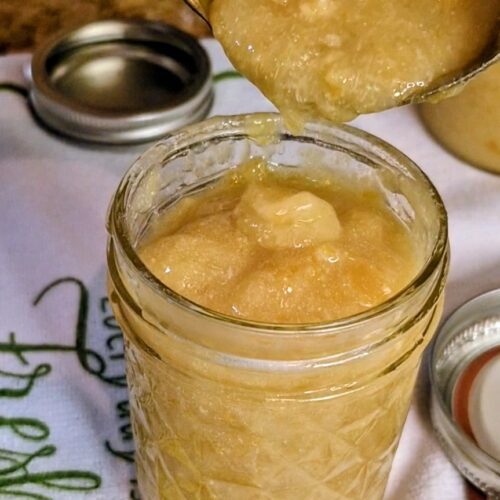
Italian Lemon Jam (Marmellata di Limoni)
Ingredients
- 2 lbs. lemons about 8-10 lemons
- 4 cups water
- 3 cups sugar
Instructions
- Wash the lemons well Since you’ll use the peel, scrub them thoroughly.
- Slice the lemons Cut them in half, remove the seeds, then slice very thin (peel and all).
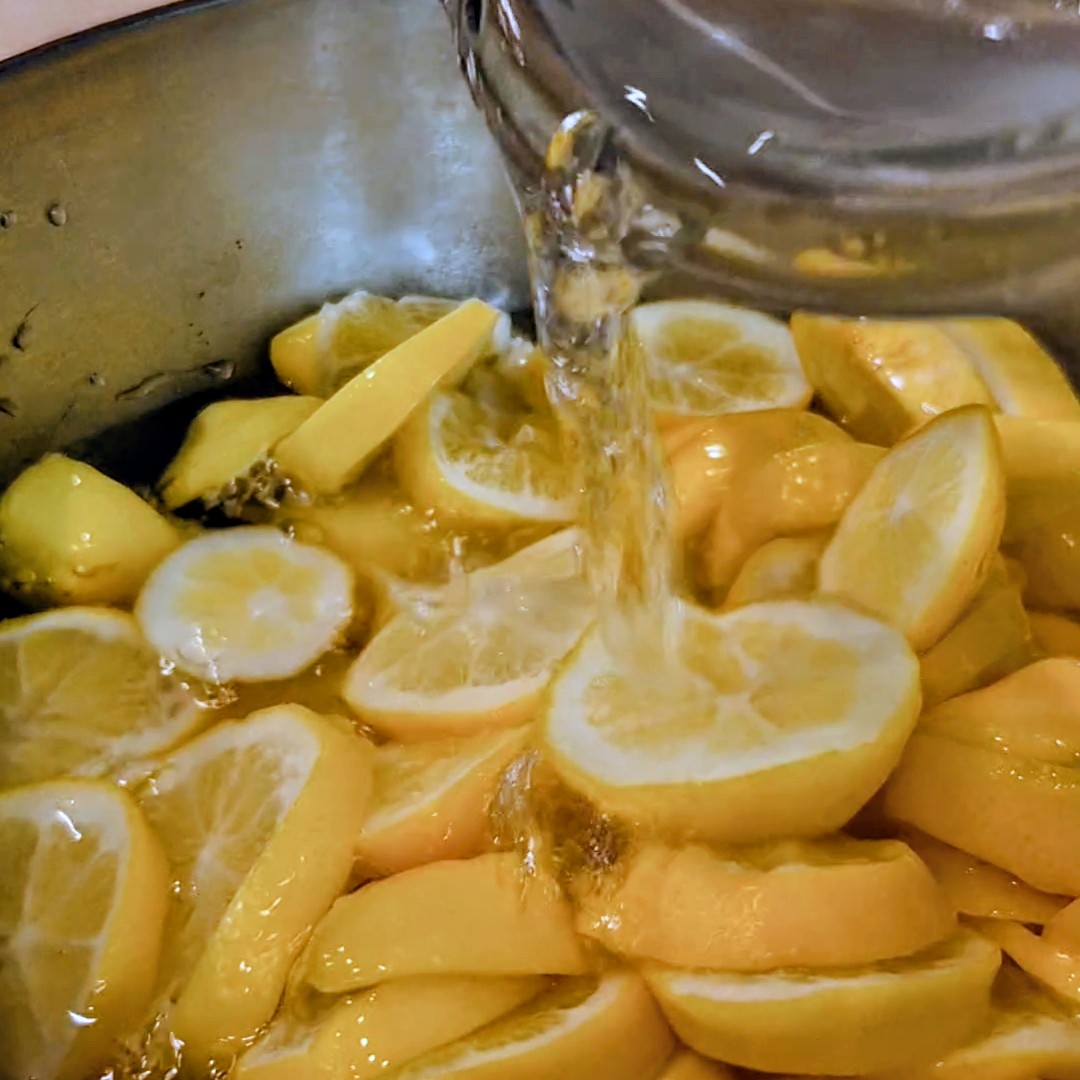
- Soak overnight Place the sliced lemons in a bowl with the water. Cover and let sit 12–24 hours. This softens the peel and reduces bitterness.
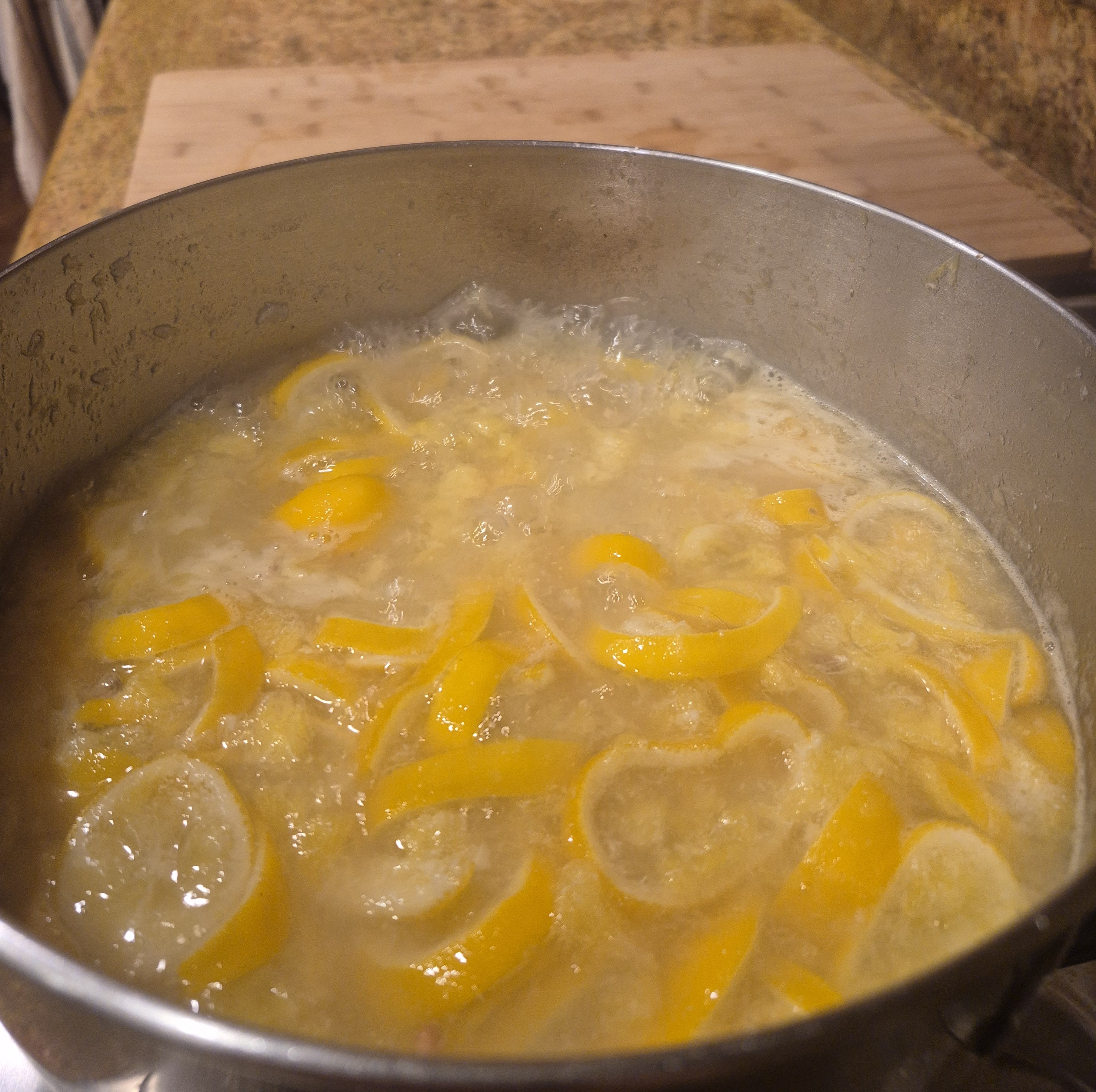
- Cook the lemons Pour the lemons and soaking water into a pot. Bring to a boil, then simmer 25–30 minutes until the peel is very soft.
- Add the sugar Stir in the sugar and cook over medium heat 30–40 minutes, stirring occasionally, until thick and jammy..
- Test for doneness Place a small spoonful on a cold plate. If it wrinkles when pushed, it’s ready.
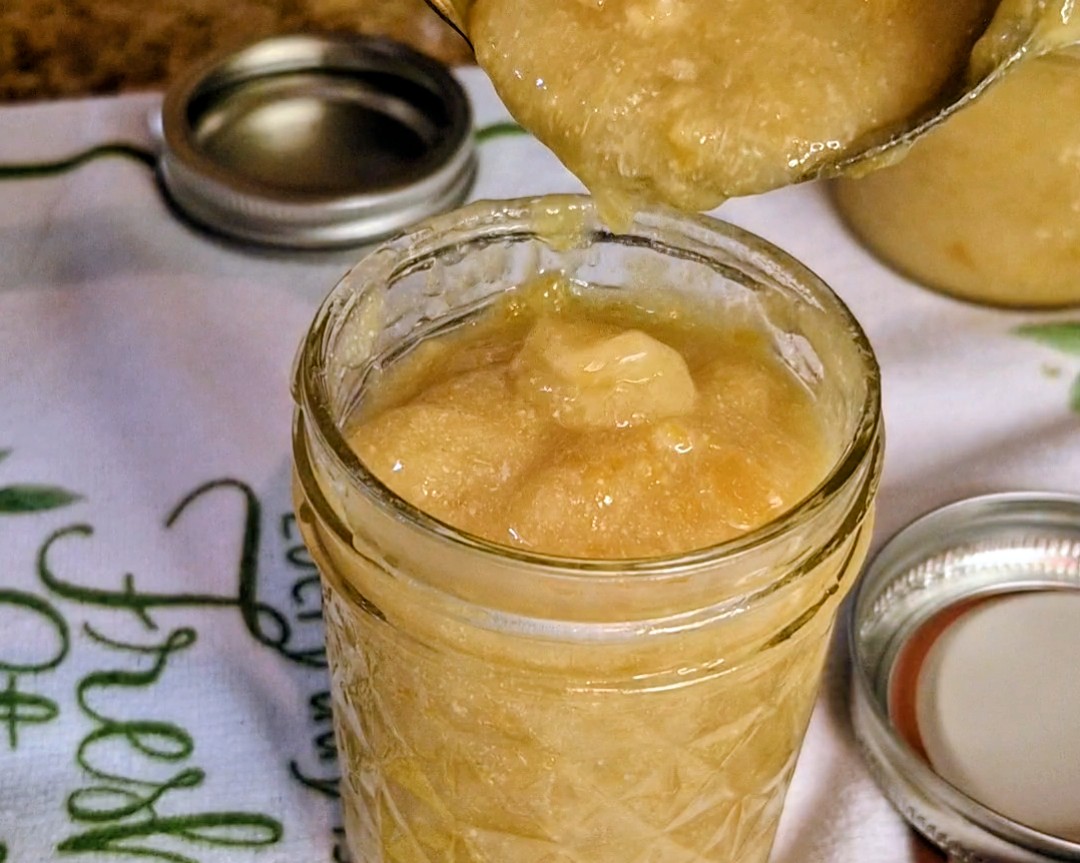
- Jar the jam Pour into sterilized jars and seal.
- ✅ Flavor tip: If you want a smoother jam, you can pulse part of it briefly with an immersion blender before jarring.
More to Explore


Comments (0)