Blanched & Pureed Lemon Loaf (Bakery-Style Citrus Cake)

Blanched & Pureed Lemon Loaf (Bakery-Style Citrus Cake)

This post may contain affiliate links, that help support this blog. If you make a purchase through these links, I may earn a commission—at no cost to you. For more information read my disclosure policy.

If you love lemon desserts that actually taste like lemon, this loaf is about to become your new obsession.

Instead of just using zest or juice, this recipe takes things further—whole lemons are blanched to soften the peel, then pureed into a silky citrus base. The result? A lemon loaf that is deeply fragrant, naturally tangy, and unbelievably moist with no artificial flavor needed.

The blanching step removes bitterness from the peel while keeping all the bright citrus oils that make lemon desserts so irresistible. When blended into the batter, the entire lemon becomes part of the flavor—nothing wasted, nothing muted.

This is the kind of loaf that works for everything: brunch, afternoon coffee, dessert, or even wrapped up as a gift. One slice and you’ll understand why this method makes such a difference.

Things to know about this Blanched & Pureed Lemon Loaf (Bakery-Style Citrus Cake)

  • The peel is what gives this loaf its bold lemon flavor—don’t skip blending it in.
  • If your lemons are very thick-skinned, blanching twice helps reduce bitterness further.
  • This loaf tastes even better the next day once the citrus oils settle.
  • use the right size pan  a standard 9 X 5 loaf pan works best

If you love bright, bakery-style citrus desserts, this lemon loaf is a must-bake. Save this recipe for later, and don’t forget to tag me when you make it—I love seeing your bakes come to life! 🍋

Storage Instructions

This lemon loaf stores beautifully and actually gets better as it sits.

  • Room Temperature: Store in an airtight container for up to 2–3 days. Keep it in a cool, dry place.
  • Refrigerator: Store for up to 5–6 days. Bring to room temperature before serving for best texture.
  • Freezer: Wrap tightly in plastic wrap and foil, then freeze for up to 2 months. Thaw overnight in the fridge or at room temp.

💡 Tip: If glazed, let the glaze set completely before storing to prevent stickiness.

You might also love”:


Blanched & Pureed Lemon Loaf ( Bakery-Style Citrus Cake)

This blanched and pureed lemon loaf is incredibly moist, bright, and packed with real lemon flavor. Made with whole lemons for a bold citrus punch, it’s the ultimate bakery-style lemon cake you can make at home.

  • loaf pan
  • 2 medium lemons
  • 3 medium eggs
  • 1 cup sugar
  • 1/2 cup light olive oil
  • 1 cup plain Greek yogurt
  • 2 cups flour
  • 2 tsp. baking powder
  • 2 cups powder sugar (optional lemon glaze)
  • 1 Tbsp. lemon juice (optional lemon glaze)
  1. Blanch the lemons Place whole lemons in boiling water for 2–3 minutes. This softens the peel and reduces bitterness.

  2. Cool & prep Let lemons cool slightly, then remove seeds and rough skin and ends.

  3. Puree Blend whole lemons (peel included) until completely smooth and thick.

  4. Make the batter Whisk eggs, sugar, yogurt, and oil together until smooth. Add the lemon puree.

  5. Dry ingredients Fold in flour and baking powder until just combined—don’t overmix.

  6. Bake Pour into a parchment lined loaf pan and bake at 350°F for 50–60 minutes, or until a toothpick comes out clean.

  7. Cool & glaze Let cool completely before drizzling with lemon glaze if desired.
Dessert
Italian
Lemon loaf, cake


Biscotti da Colazione (Italian Breakfast Cookies)

Biscotti da Colazione (Italian Breakfast Cookies)

This post may contain affiliate links, that help support this blog. If you make a purchase through these links, I may earn a commission—at no cost to you. For more information read my disclosure policy.

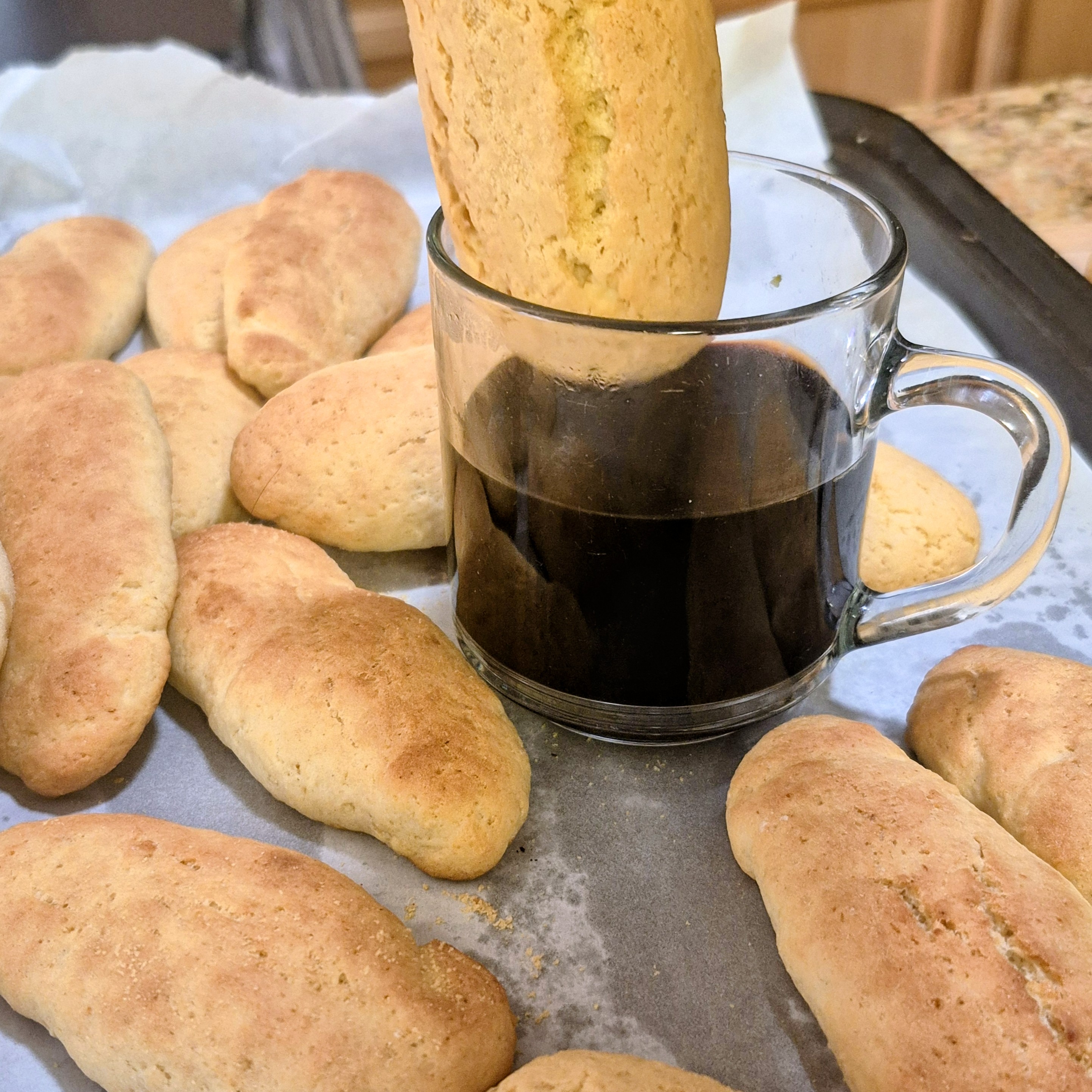
There’s nothing more comforting than a simple Italian colazione — a warm drink and a cookie made for dunking. These biscotti da colazione are exactly that: lightly sweet, soft yet sturdy, and kissed with lemon. They’re the kind of cookies you’d find on a Nonna’s kitchen table, ready to be dipped into cappuccino or a glass of warm milk.

Unlike overly sweet bakery cookies, these are meant to be simple and everyday. Rustic, unfussy, and absolutely perfect for slow mornings.


Things to know about   this Biscotti da Colazione (Italian Breakfast Cookies)

  • The dough should be soft but not sticky — add a little flour if needed.
  • Don’t overbake; these should stay tender inside.
  • The glaze is optional but adds a classic bakery-style finish.

How to Serve

Traditionally enjoyed at breakfast, these cookies are best:

This is true Italian inzuppo — simple, comforting, and meant to be savored slowly.

Storage

  • Store in an airtight container at room temperature for up to 5 days
  • Freeze for up to 2 months and thaw at room temp

Final Thoughts

These biscotti da colazione are a reminder that Italian baking doesn’t need to be complicated to be beautiful. With just a handful of ingredients, you get a cookie that feels nostalgic, comforting, and deeply rooted in tradition.

If you loved this recipe, be sure to check out my other Italian baking favorites like these

Traditional Italian S cookies

Italian braided lemon cookies

Or my personal favorite Italian almond cantucci cookies. 

Biscotti da Colazione (Italian Breakfast Cookies)

Soft and lightly sweet, these Biscotti da Colazione are classic Italian breakfast cookies made for dunking in coffee or milk. Easy, authentic, and perfect for everyday baking.

  • 3 cups all purpose flour
  • 1 cup sugar
  • 2 tsp Baking powder
  • 2 large eggs
  • 1/2 cup milk
  • 1/2 cup neutral oil or light olive oil
  • 1 Tbsp. vanilla extract
  • 1 Tbsp. lemon zest (use the zest and juice from 1 lemon)
  • 1 Tbsp. lemon juice
  • pinch of salt
  • 1 cup powder sugar (for optional glaze)
  • 1 -2 Tbsp. milk or lemon juice (for optional glaze)
  1. Preheat oven to 350°F (175°C) and line a baking sheet with parchment.

  2. Whisk eggs and sugar until light, then mix in milk, oil, vanilla, and lemon zest.

  3. Combine dry ingredients and add to the wet mixture to form a soft dough.

  4. Move the dough to a lightly floured surface and knead the dough to a smooth constistency

  5. Shape the dough by scooping about 2 tablespoons at a time and rolling into logs or ovals, about 2 inches long and 1 inch thick. Keep them slightly rustic — they shouldn’t be perfectly smooth. Place on the baking sheet with a little space between each. then lightly sprinkle the tops with granulated sugar for a classic bakery-style finish.

  6. Bake 12 -15 minutes these cookies bake pale for added color broil for a few minute, Keep a close eye they can over brown quickly

Dessert
Italian
Italian, cookie, breakfast


Italian Braided Lemon Cookies

Italian Braided Lemon Cookies

This post may contain affiliate links, that help support this blog. If you make a purchase through these links, I may earn a commission—at no cost to you. For more information read my disclosure policy.

There’s something about old-school Italian cookies that never goes out of style—and these braided lemon cookies are exactly that. Soft, lightly sweet, and finished with a delicate lemon glaze, they’re the kind of treat you’d find on every holiday tray growing up.

This recipe is all about simplicity. No complicated techniques, no fancy ingredients—just a tender dough, a hint of fresh lemon, and that classic glossy icing with sprinkles on top. My mom would even place a raw egg right in the center before baking—such a beautiful, traditional touch you still see around Easter. They’re perfect for Easter, Sunday gatherings, or honestly… just with your morning coffee.

What makes these special is the texture. Unlike crunchy cookies, these stay soft and almost cake-like, with a light crumb that melts in your mouth. The braid (or knot) shape gives them that traditional bakery look, but they’re incredibly easy to make at home.


Things to know about this Italian Braided Lemon Cookie recipe

These cookies stay soft and tender for days, which makes them perfect for baking ahead.

  • Room Temperature: Store in an airtight container for up to 3–4 days

  • Refrigerator: Not recommended—they can dry out faster

  • Freezer (Unglazed): Freeze up to 2 months, then thaw and glaze fresh

  • Freezer (Glazed): You can freeze them, but the glaze may lose its shine

  • Make Ahead Tip: Bake the cookies a day in advance and glaze the next day for the best texture and appearance

💛 Want More Italian Baking Recipes?

If you loved these soft Italian lemon cookies, here are a few more recipes from the blog you’ll want to try next:

These are all classic, bakery-style recipes that bring a little bit of Italy right into your kitchen 🇮🇹


Italian Braided Lemon Cookies (Soft & Glazed)

These soft Italian braided lemon cookies are light, fluffy, and topped with a sweet lemon glaze and sprinkles. A classic bakery-style recipe that’s easy to make and perfect for holidays or everyday baking.

  • 3 1/2 cups flour
  • 1 Tbsp. Baking powder
  • 1/2 tsp salt
  • 1 stick butter (room temperature)
  • 1 cup sugar
  • 3 large eggs
  • 1 Tbsp. lemon zest
  • 1/4 cup lemon juice
  • 2 Tsp vanilla extract
  • 1/3 cup milk
  • 2 cups powder sugar (for the glaze)
  • 2 -3 Tbsp. milk or lemon juice (for the glaze)
  • sprinkles (to decorate)
  1. 1. Prep

    Preheat your oven to 350°F and line baking sheets with parchment paper.

  2. 2. Mix the Dry Ingredients

    In a medium bowl, whisk together the flour, baking powder, and salt.

  3. 3. Cream Butter and Sugar

    In a large bowl, beat the butter and sugar until light and fluffy.

  4. 4. Add the Wet Ingredients

    Mix in the eggs one at a time. Add lemon zest, lemon juice, and vanilla extract.

  5. 5. Bring the Dough Together

    Gradually add the dry ingredients, alternating with the milk. Mix until a soft dough forms. It should be smooth and slightly tacky, not sticky.

  6. 6. Shape the Cookies

    Take small portions of dough and roll into ropes about 5–6 inches long. Twist into braids or tie into knots and place on the baking sheet.

  7. 7. Bake

    Bake for 12–15 minutes, until the bottoms are lightly golden while the tops remain pale.

  8. 8. Glaze and Finish

    Let cookies cool completely. Dip or drizzle with glaze, then top with sprinkles. Allow the glaze to set before serving.

Dessert
Italian
cookies, lemon Italian


Italian Lemon Jam (Marmellata di Limoni)

Italian Lemon Jam (Marmellata di Limoni)This post may contain affiliate links, that help support this blog. If you make a purchase through these links, I may earn a commission—at no cost to you. For more information read my disclosure policy.

Bright, sweet, and slightly bitter in the best way, Marmellata di Limoni is a classic preserve made throughout southern Italy where lemons grow in abundance. In regions like the sun-soaked Amalfi Coast and across Sicily, families have long turned their extra citrus into homemade marmellata, preserving the flavor of the harvest to enjoy throughout the year. Unlike many jams, Italian lemon marmalade traditionally uses the whole fruit—peel and all—which gives it its signature balance of sweetness and gentle bitterness.

Making lemon jam at home is a simple, old-world process: fresh lemons are sliced thin, simmered slowly, and cooked with sugar until thick and glossy. The natural pectin in the citrus peel helps the jam set beautifully without any added pectin. Spread it over toasted bread, spoon it onto fresh ricotta, or tuck it into a buttery crostata—this bright Italian preserve brings a little taste of sunshine to any table.


Things to know about this Italian Lemon Jam (Marmellata di Limoni)

Making Marmellata di Limoni is simple, but a few traditional tips will help you get the best flavor and texture.

Tips for the Best Lemon Jam

  • Use unwaxed lemons if possible. Since the peel is used, organic or unwaxed lemons give the cleanest flavor.

  • Slice the lemons very thin. Thin slices help the peel soften faster and create a smoother jam texture. Use a sharp knife or mandolin

  • Remove the seeds. Lemon seeds can make the jam slightly bitter, though they do contain natural pectin.

  • Don’t rush the simmer. Cooking the lemons slowly helps soften the peel and release the natural pectin that thickens the jam.

  • Test before stopping the cook time. Use the cold plate test—if the jam wrinkles when pushed, it’s ready.

  • Jam thickens as it cools. It may seem loose in the pot but will set more once cooled.

Storage

  • Refrigerator: Store sealed jars in the refrigerator for up to 3–4 weeks.

  • Freezer: Lemon jam freezes well for up to 6 months. Leave a little space at the top of the container for expansion.

  • Canned (water bath): If properly sealed using a water-bath method, jars can last up to 1 year in a cool pantry.

How to Use It

This bright citrus jam is delicious:

  • spread on toast or biscuits

  • layered in a crostata

  • spooned over ricotta or yogurt

  • paired with soft cheeses for a sweet contrast

Homemade lemon jam captures the bright flavor of fresh lemons and is a wonderful way to preserve a big citrus harvest. 🍋

Ways to Use Italian Lemon Jam

This bright citrus preserve is incredibly versatile. Try it:

Homemade lemon jam is a beautiful way to preserve fresh lemons and bring a bright citrus flavor to many classic Italian recipes.


Italian Lemon Jam (Marmellata di Limoni)

Bright and citrusy Italian lemon jam (marmellata di limoni) made with fresh lemons, sugar, and water. A traditional homemade preserve perfect for toast, crostata, yogurt, or cheese boards.

  • 2 lbs. lemons (about 8-10 lemons)
  • 4 cups water
  • 3 cups sugar
  1. Wash the lemons well Since you’ll use the peel, scrub them thoroughly.

  2. Slice the lemons Cut them in half, remove the seeds, then slice very thin (peel and all).

  3. Soak overnight Place the sliced lemons in a bowl with the water. Cover and let sit 12–24 hours. This softens the peel and reduces bitterness.

  4. Cook the lemons Pour the lemons and soaking water into a pot. Bring to a boil, then simmer 25–30 minutes until the peel is very soft.

  5. Add the sugar Stir in the sugar and cook over medium heat 30–40 minutes, stirring occasionally, until thick and jammy..

  6. Test for doneness Place a small spoonful on a cold plate. If it wrinkles when pushed, it’s ready.

  7. Jar the jam Pour into sterilized jars and seal.

  8. Flavor tip: If you want a smoother jam, you can pulse part of it briefly with an immersion blender before jarring.

Appetizer
Italian


Italian Ricotta Pie (Crostata di Ricotta)

Italian Ricotta Pie (Crostata di Ricotta)

This post may contain affiliate links, that help support this blog. If you make a purchase through these links, I may earn a commission—at no cost to you. For more information read my disclosure policy.

Italian Ricotta Pie is a classic rustic dessert found in many Italian homes, especially around holidays like Easter. It’s made with pasta frolla, a tender Italian sweet pastry dough, and filled with creamy sweetened ricotta scented with orange zest and studded with chocolate. The result is a pie that’s rich but not overly sweet, with a delicate citrus aroma and a buttery crust.

This dessert has roots in southern Italian baking traditions where ricotta is commonly used in pastries. Draining the ricotta is key—it creates a thick, velvety filling that slices beautifully and holds its shape. Paired with the crisp, cookie-like pasta frolla, it becomes a simple but elegant dessert perfect for holidays, Sunday dinners, or with an afternoon espresso.

Things to know about this Italian Ricotta Pie (Crostata di Ricotta)

  • Drain the ricotta well: This prevents a watery filling and keeps the pie creamy.

  • Use whole milk ricotta: It gives the richest flavor and texture.

  • Let it cool completely: Cutting too early can cause the filling to be soft.

  • Even better the next day: Like many Italian desserts, the flavors deepen after resting overnight in the refrigerator.


Serving Suggestions

Serve Italian Ricotta Pie slightly chilled or at room temperature. A light dusting of powdered sugar on top makes it beautiful and simple. It pairs perfectly with espresso, cappuccino, or a small glass of sweet dessert wine.


Storage

Store the pie covered in the refrigerator for up to 4 days. Because of the ricotta filling, it should always be kept chilled.

Love traditional Italian baking? Try these recipes next on the blog:

They’re simple, authentic recipes that bring classic Italian flavors right into your kitchen.


Italian Ricotta Pie (Crostata di Ricotta)

This traditional Italian ricotta pie features a buttery pasta frolla crust filled with sweetened ricotta, eggs, orange zest, and chocolate chips for a creamy, classic Italian dessert.

  • 2 1/2 cups flour
  • 1/2 cup sugar
  • 1 tsp. baking powder
  • 1 stick cubed cold butter
  • 1 1 egg
  • 1 1 egg yolk
  • 1 Tbsp. lemon zest
  • 1 Tbsp. vanilla
  • For The ricotta filling
  • 2 cups well drained whole milk ricotta
  • 3/4 cup sugar
  • 1 Tbsp. grated orange zest
  • 2 large eggs
  • 1 tsp. vanilla extract
  • 1 cup semi- sweet chips or chopped dark chocolate
  • 1 cup jam (an additional layer)
  1. 1. Drain the Ricotta

    Place the ricotta in a fine mesh strainer or cheesecloth over a bowl. Cover and refrigerate for at least 1 hour or overnight to remove excess moisture.

  2. 2. Make the Pasta Frolla

    In a large bowl whisk together the flour, sugar, baking powder, and salt.

    Add the cold butter and work it into the flour mixture with your fingers or a pastry cutter until the mixture resembles coarse crumbs.

    Add the egg, egg yolk, vanilla, and lemon zest. Mix just until a dough forms.

    Shape the dough into a disk, wrap in plastic wrap, and refrigerate for 30–60 minutes.

  3. 3. Make the Ricotta Filling

    In a bowl combine the drained ricotta and sugar until smooth.

    Add the eggs, orange zest, and vanilla and mix until fully combined.

    Fold in the chocolate chips.

  4. 4. Assemble the Pie

    Preheat oven to 350°F (175°C).

    Roll out about ⅔ of the pasta frolla and press it into a 9-inch pie dish or tart pan, bringing the dough up the sides.

    Spread the jam evenly over the bottom crust.

    Pour the ricotta filling over the jam layer and smooth the top.

    Roll out the remaining dough and cut into strips to create a lattice pattern over the filling.

  5. 5. Bake

    Bake for 40–50 minutes, or until the crust is golden and the filling is set.

    Allow the pie to cool completely for about 2 hours before slicing.

Dessert
Italian
Italian, ricotta, pie


Ciambelle (Unfilled Italian Donuts)

Ciambelle (Unfilled Italian Donuts)

In Italy, Ciambelle are the kind of simple pastry that never goes out of style. Long before elaborate glazes and over-the-top toppings, these golden ring donuts were made with basic pantry ingredients, lightly scented with lemon zest, fried until perfectly puffed, and rolled in sugar. Their name comes from the Italian word ciambella, meaning “ring,” and versions of these sweet breads have been part of Italian home baking for generations.

You’ll find them in neighborhood bakeries, at festivals, and on Sunday mornings alongside a strong espresso. They aren’t meant to be flashy — they’re meant to be comforting.

At our restaurant, we served them warm with espresso, just as they would in Italy. There’s something special about that pairing — the slight bitterness of the coffee against the soft, sweet dough. It’s simple, authentic, and unforgettable.

These Ciambelle are exactly that: traditional, unfussy, and rooted in real Italian baking.

DO NOT PUT IMAGES IN THIS TEXT BLOCK!

Things to know about these Ciambelle (Unfilled Italian Donuts)

  • Lemon zest is the signature Italian flavor — don’t skip it.

  • The dough should be soft and slightly tacky but not sticky.

  • Fry at 350°F for even cooking and that golden exterior.

  • These are best enjoyed fresh the same day.

  • You can bake them, but frying gives the classic texture and flavor.

Storage

  • Store at room temperature in an airtight container for up to 2 days.

  • Reheat briefly in the microwave (8–10 seconds) to soften.

  • They can be frozen (without the sugar coating) for up to 1 month. Thaw, warm slightly, then roll in fresh sugar before serving.

  • If you love traditional Italian baking, be sure to check out my other classic recipes and bring even more authentic flavors into your kitchen.

     Traditional Italian Esse cookies ( S cookies )

    Classic favorite Italian Tiramisu recipe a real pick you up dessert

    Or my personal favorite Pureed Apple and walnut bundt

    And if you make these Ciambelle, leave a comment and let me know — I love seeing your creations!


Ciambelle (Unfilled Italian Donuts)

  • Prep: 20 minutes

  • Rise: 1½–2 hours

  • Cook: 15 minutes

  • Servings: 10–12 donuts

Ingredients

Instructions

  1. 1️⃣ Activate the Yeast

    In a small bowl, combine warm milk, 1 tablespoon of the sugar, and yeast. Let sit 5–10 minutes until foamy.

    2️⃣ Make the Dough

    In a large bowl (or stand mixer):

    • Combine flour, remaining sugar, and salt.

    • Add eggs, vanilla, lemon zest, and yeast mixture.

    • Mix until combined.

    • Add softened butter and knead 8–10 minutes until smooth and elastic.

    The dough should be soft but not sticky.

    3️⃣ First Rise

    Place in a lightly oiled bowl, cover, and let rise 1–1½ hours until doubled.

    4️⃣ Shape the Rings

    • Turn dough onto a floured surface.

    • Roll to about ½-inch thickness.

    • Cut circles using a 3-inch cutter.

    • Cut a small hole in the center (or use your finger to stretch gently).

    • Place on parchment squares.

    Cover loosely and let rise again 30–45 minutes.

    5️⃣ Fry

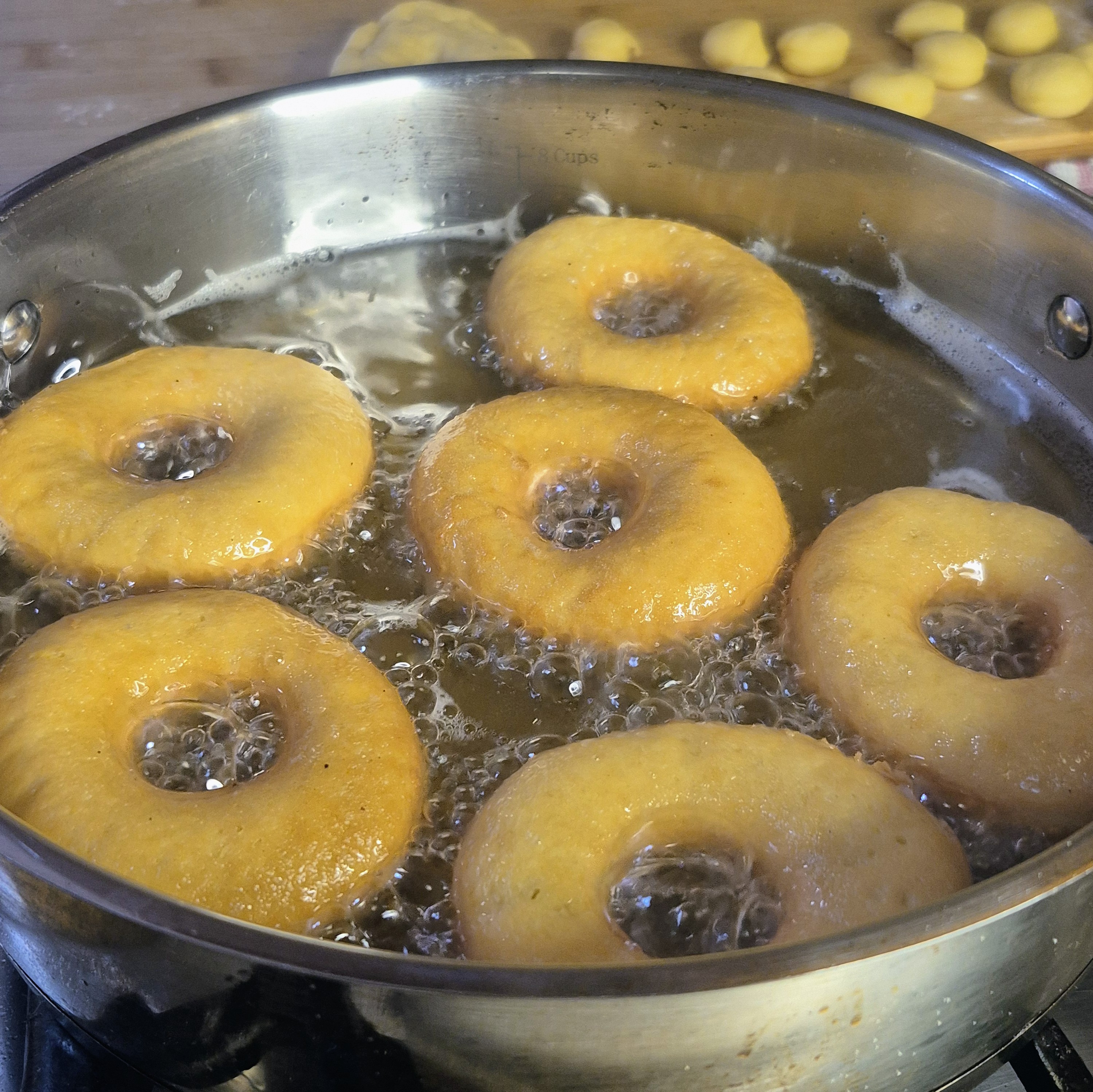
     In a deep fry pan Heat oil to 350°F (175°C).
    Fry 1–2 at a time, about 1–2 minutes per side, until golden brown.

    Do not overcrowd.

    6️⃣ Coat

    While still warm, roll in granulated sugar.

  2. Second
  3. And so on


Traditional Italian S Cookies (Biscotti Esse)

Traditional Italian S Cookies (Biscotti Esse)

These classic Italian S cookies, known as Biscotti Esse, are an old-school staple found in Italian bakeries and home kitchens across Italy. Their simple S shape comes from the Italian word esse—the letter S—and dates back to a time when cookies were made with basic pantry ingredients and mixed by hand.

Simple, unfussy, and timeless, these cookies are crisp on the outside, tender inside, and meant to be enjoyed with espresso, coffee, or tucked onto a holiday cookie tray.

Things to know about this Traditional Italian S Cookies (Biscotti Esse) recipe

  • Esse cookies are traditionally pale; avoid overbaking so they stay tender inside.

  • Butter is rubbed into the flour first, creating a delicate, bakery-style crumb.

  • Dough should be soft and smooth, not sticky—dust hands lightly with flour if needed.

  • These cookies are lightly sweet and designed to be served with coffee or espresso.

  • Store in an airtight container at room temperature for up to 5 days.

  • Baked cookies freeze well for up to 2 months.

  • If you love old-school Italian baking, don’t miss my other classic recipes like Italian Amaretti Cookies recipe, Authentic Italian Tiramisu, Traditional Italian Almond Biscotti, and my collection of Italian Christmas cookies. Save this recipe, share it with a fellow cookie lover, and let me know in the comments if your Nonna made them this way too 🤍

Ingredients

Yields

Makes approximately 30–36 S cookies, depending on size.

3 cups (360 g) all‑purpose flour

2 teaspoons baking powder

1/4 teaspoon salt

1/2 cup (113 g) unsalted butter, cold and cubed

1 cup granulated sugar

2 large eggs, room temperature

1 Tbsp. vanilla extract

Zest  of 1 lemon

Instructions

  • Preheat oven to 350°F (175°C) and line two baking sheets with parchment paper.
  • In a large bowl, whisk together the flour, baking powder, and salt.
  • Add the cold butter and work it into the flour with your fingertips until the mixture is fine and crumbly.
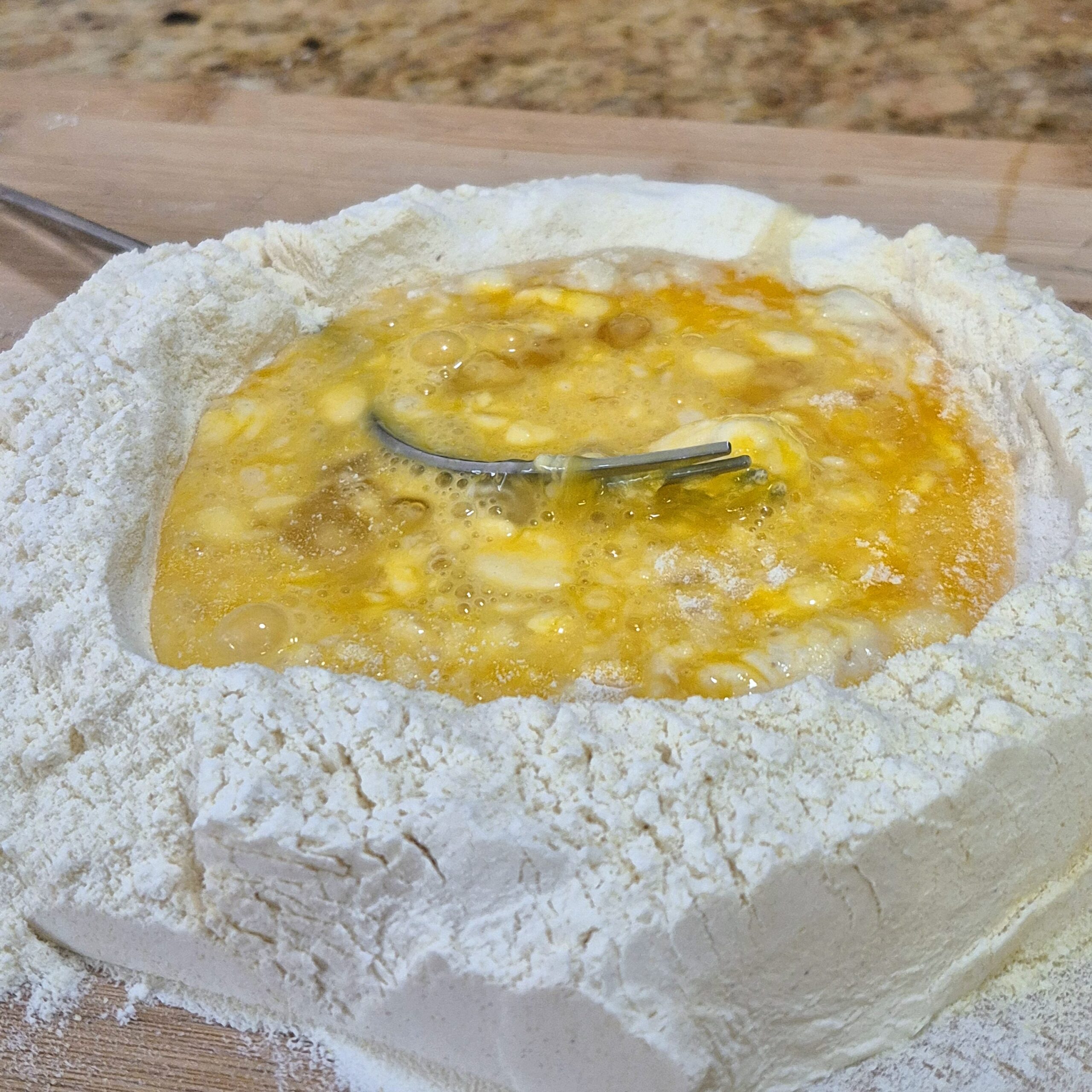
  • Make a well in the center of the flour mixture.
  • Add the sugar, eggs, vanilla, and lemon zest into the well.
  • Using a fork, beat the eggs gently and begin pulling the flour in from the sides.
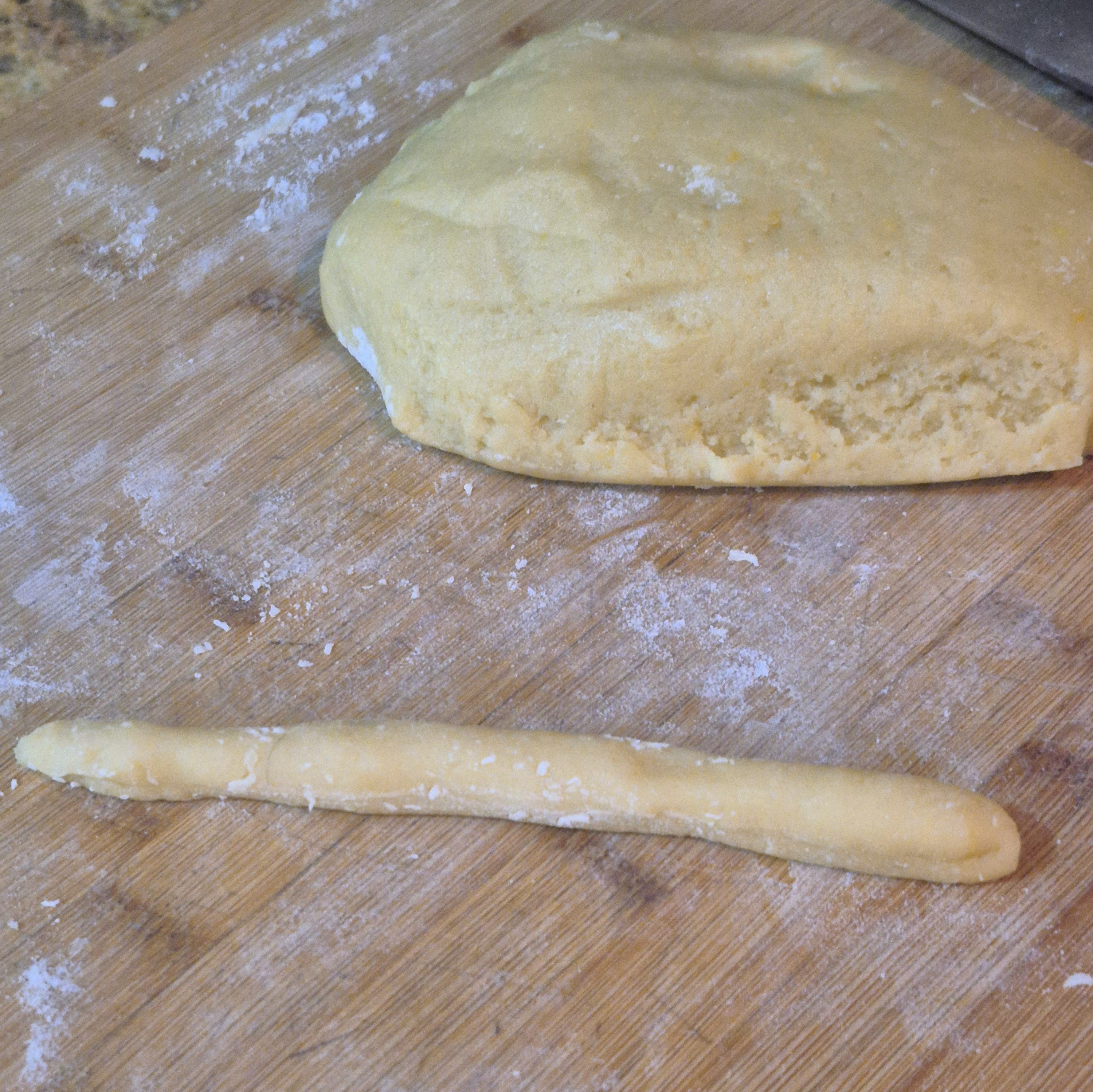
  • Once the dough starts to come together, use your hands to gently work it until smooth and soft. Do not overwork.
  • Transfer the dough to a piping bag fitted with a large plain tip, or shape by hand.
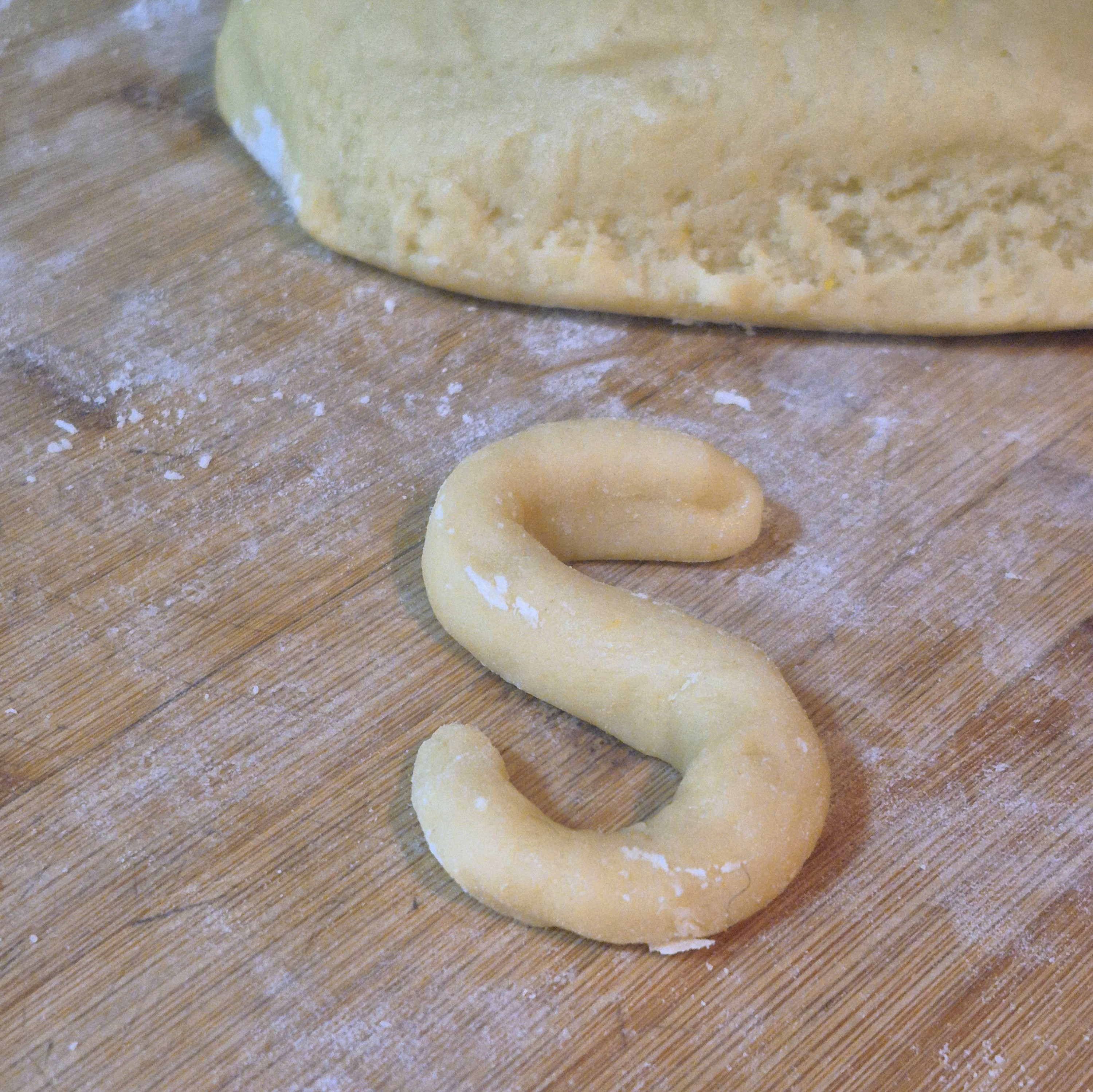
  • Pipe or form S‑shaped (esse) cookies onto the prepared baking sheets, spacing slightly apart.
  • Bake for 10–12 minutes, until set and lightly golden on the bottom. Tops should remain pale.
  • Cool on the baking sheet for 5 minutes, then transfer to a wire rack to cool completely.


Classic Italian Tiramisu recipe

Classic Italian Tiramisu recipe

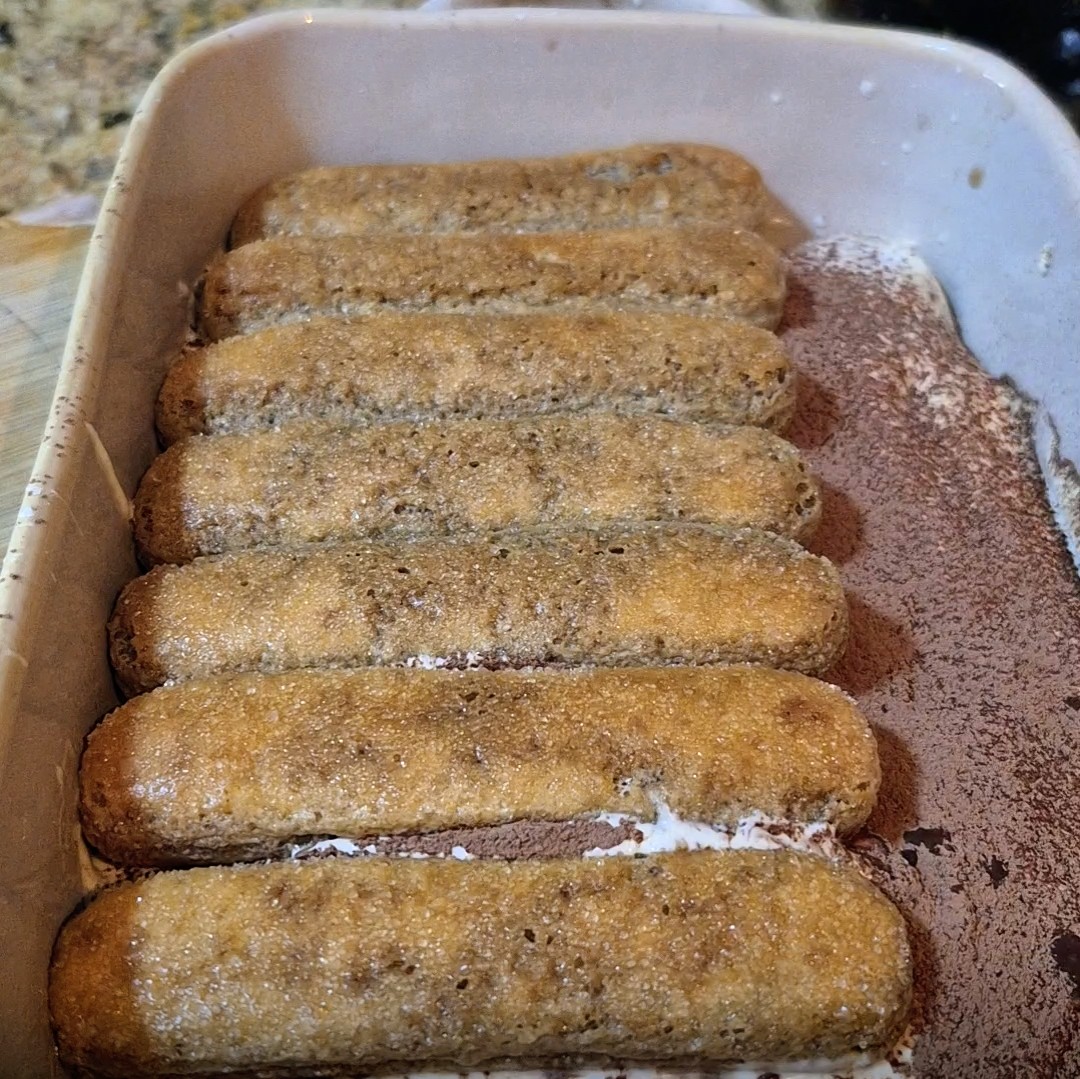
Classic Italian Tiramisu is one of Italy’s most iconic desserts, made with layers of espresso-soaked ladyfingers and a delicate mascarpone cream. The modern version is widely believed to have originated in the Veneto region, in the city of Treviso, and was popularized in the late 1960s at the renowned restaurant Le Beccherie. This dessert was also a staple in my own restaurant, where we prepared it using the traditional zabaglione water-bath method—simple ingredients, proper technique, and patience—just as it’s meant to be served in Italian kitchens and classic trattorias.

Things to know about this Classic Italian Tiramisu recipe

  • Make it ahead: Tiramisu improves with time. For best flavor and structure, make it at least 6 hours ahead, or ideally the day before serving.

  • No baking required: The only cooking involved is gently tempering the egg yolks over a water bath (zabaglione method).

  • Food-safe eggs: The water bath brings the yolks to a safe temperature while keeping the cream light and silky.

  • Mascarpone matters: Use full-fat mascarpone and keep it cold until ready to fold in—this prevents a loose or grainy filling.

  • Cocoa timing: Always dust the cocoa powder just before serving to keep it dry and vibrant.

  • Tips for Success

    • Whisk constantly over the water bath: Gentle heat and steady whisking create a smooth, stable zabaglione—never rush this step.

    • Do not over-soak the ladyfingers: A quick dip (1–2 seconds) is enough. Too much espresso will collapse the layers.

    • Fold, don’t stir: When combining whipped cream with the mascarpone mixture, fold gently to keep the tiramisu light.

    • Chill thoroughly: Proper chilling allows the layers to set and flavors to meld—this is key to clean slices.

    • Use quality espresso: Strong, freshly brewed espresso gives tiramisu its signature depth and balance.

    • Storage

      • Refrigeration: Store tiramisu covered in the refrigerator for up to 3 days. The flavor actually improves after the first day.

      • Best container: Keep it tightly wrapped or in an airtight container to prevent it from absorbing fridge odors.

      • Freezing: While tiramisu can be frozen for up to 1 month, the texture of the mascarpone cream is best when enjoyed fresh. If freezing, wrap well and thaw overnight in the refrigerator.

      • Serving after storage: Always dust with fresh cocoa powder right before serving, especially if it has been refrigerated or frozen.

      • If You Loved This Recipe…

        If you enjoyed this classic Italian tiramisu, be sure to explore more traditional Italian desserts and restaurant-style recipes on the blog. You may also like:

Classic Italian Tiramisu recipe

Servings & Timing

  • Servings: 8–10

  • Prep Time: 30 minutes

  • Chill Time: 4–6 hours (overnight preferred)

  • Total Time: About 5 hours

  • Pan Size: 8 x 8–inch square dish, at least 2 inches deep

  • Cook Time: None (gentle water bath only)


Ingredients

  • 6 large egg yolks, room temperature

  • ¾ cup granulated sugar

  • 8 oz (1 cup) mascarpone cheese, cold

  • 1½ cups heavy cream, cold

  • 2 cups strong espresso, cooled

  • 2 Tbsp Marsala wine or dark rum (optional but traditional)

  • 24–30 savoiardi (ladyfingers)

  • Unsweetened cocoa powder, for dusting

  • Dark chocolate shavings (optional)

Instructions

1. Make the Zabaglione (Water Bath Method)

  • Bring a few inches of water to a gentle simmer in a saucepan.

  • In a heatproof bowl, whisk egg yolks and sugar until combined.

  • Place the bowl over the simmering water (do not let the bowl touch the water).

  • Whisk constantly for 5-6 minutes, until thick, pale, and warm to the touch (about 160°F / 71°C).

  • Remove from heat and allow to cool slightly.

2. Add Mascarpone

  • Gently whisk mascarpone into the warm zabaglione until smooth and creamy.

  • Set aside.

3. Whip the Cream

  • In a separate bowl, whip cold heavy cream to stiff peaks.

  • Fold gently into the mascarpone mixture, keeping the cream light and airy.

4. Prepare the Espresso

  • Stir Marsala wine (or rum) into the cooled espresso.

5. Assemble

  • Quickly dip each ladyfinger into the espresso (1–2 seconds per side).

  • Arrange a single layer in an 8×8-inch dish.

  • Spread half of the mascarpone cream evenly over the cookies.

  • Repeat with another layer of dipped ladyfingers and finish with remaining cream.

6. Chill

  • Cover and refrigerate at least 4–6 hours, preferably overnight for best flavor and structure.

7. Finish & Serve

Dust generously with cocoa powder just before serving.

Add chocolate shavings if desired


Healthy Italian Recipes to Start the New Year Right

Healthy Italian Recipes to Start the New Year Right

The New Year always brings a renewed focus on feeling good—without giving up the foods we love. In Italian cooking, that balance has always existed. It’s about fresh ingredients, simple preparations, and letting real food shine.

This year, instead of extremes, I’m leaning into healthy Italian recipes that feel nourishing, comforting, and realistic. Dishes built on vegetables, legumes, seafood, olive oil, and simple proteins—the way Italians have cooked for generations.

If you’re looking to reset after the holidays while still enjoying flavorful, satisfying meals, these recipes are the perfect place to start.

What “Healthy Italian” Really Means

In my kitchen, healthy doesn’t mean bland or boring. It means:

  • Fresh, seasonal ingredients

  • Olive oil instead of heavy sauces

  • Beans, vegetables, seafood, and lean proteins

  • Recipes that leave you satisfied—not deprived

These dishes are proof that Italian food can be both comforting and nourishing.

Fresh & Light Starters

Perfect for lighter meals, lunch, or beginning a balanced dinner.

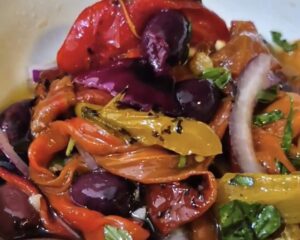
 Rustic Italian Roasted pepper salad

Bright, refreshing, and naturally light, this classic salad is packed with citrus, crunch, and flavor.
👉 Get the full recipe here  Rustic Italian roasted pepper salad

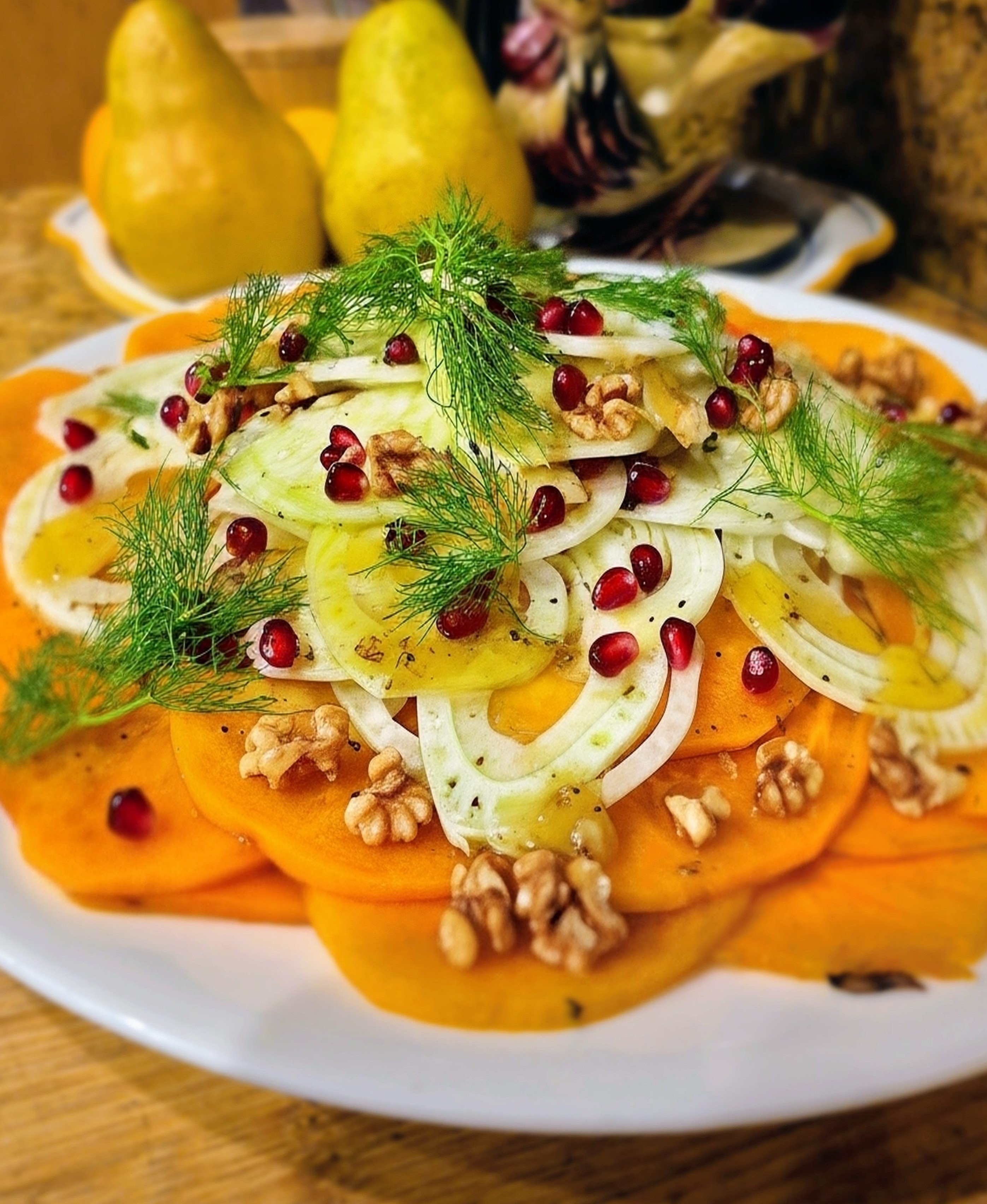
Winter Persimmon Walnut Salad

A beautiful balance of sweetness, crunch, and freshness—perfect during the colder months.
👉 Get the full recipe here Winter Persimmon Walnut Salad

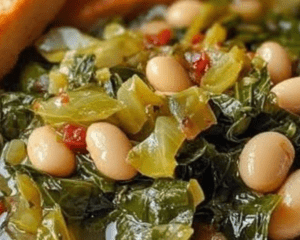
Italian Escarole and Beans

Simple, rustic, and protein-rich, this is a classic Italian dish that proves healthy food can still be deeply comforting.
👉 Get the full recipe here Italian Escarole and Beans

Nourishing Soups

Soups are one of the easiest ways to eat well without sacrificing flavor.

Italian Wedding Soup

Light broth, greens, and tender meatballs come together for a soup that’s filling yet balanced.

👉 Get the full recipe here Italian Wedding Soup

Vegetarian Italian Mushroom Soup

Earthy, satisfying, and naturally wholesome—perfect for a light lunch or dinner.

👉 Get the full recipe here Vegetarian Italian Mushroom Soup

Tortellini in chicken Brodo

A timeless Italian classic that relies on good broth and simple ingredients rather than heavy additions.


👉 Get the full recipe here Tortellini in chicken Brodo

Balanced Pasta & Mains

Italian food has always been about moderation—these dishes are flavorful without being heavy.

Shrimp Oreganata

Baked shrimp with breadcrumbs, garlic, and lemon—light, protein-rich, and full of flavor.

👉 Get the full recipe here Shrimp Oreganata

Tomato piccata Alaskan cod

A fresh, tomato piccata- dish that feels indulgent while staying light and elegant.
👉 Get the full recipe here Tomato piccata Alaskan cod

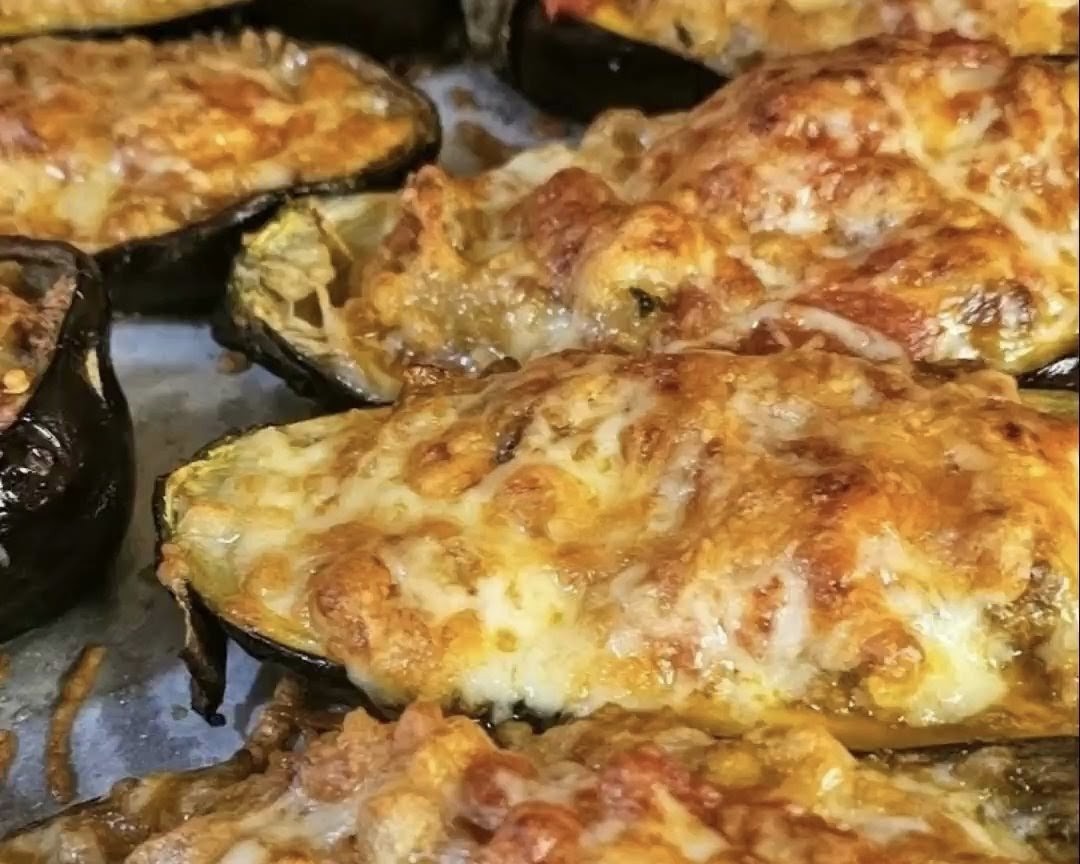
Italian Stuffed Eggplant Bolognese

A perfect example of balance—vegetables, protein, and just enough richness to satisfy.

👉 Get the full recipe here Italian baked  stuffed Eggplant Bolognese

Pasta with Lentils and Italian Sausage

A balanced pasta dish rooted in tradition, combining lentils, a modest amount of sausage, and pantry staples for a hearty but nourishing meal.

👉 Get the full recipe here Pasta with Lentils and Italian Sausage

Italian-Style Roast Chicken and Potatoes

A complete meal made with simple ingredients—olive oil, herbs, and perfectly roasted chicken and potatoes. This is everyday Italian cooking at its best.
👉 Get the full recipe here Italian-Style Roast lemon Chicken and Potatoes

Naturally Sweet Endings

Dessert doesn’t have to disappear—just shift toward simpler, more traditional treats.

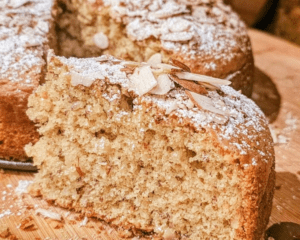
Italian olive oil Almond Cake

Light, not overly sweet, and perfect with coffee or espresso.
👉 Get the full recipe here Italian olive oil Almond Cake

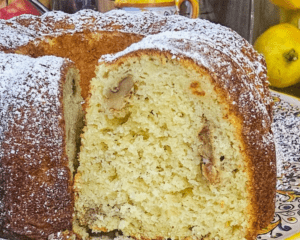
Italian Apple Cake

Made with fresh apples and simple ingredients, this cake is naturally moist and comforting without being heavy.
👉 Get the full recipe here Pureed apple walnut bundt  Cake

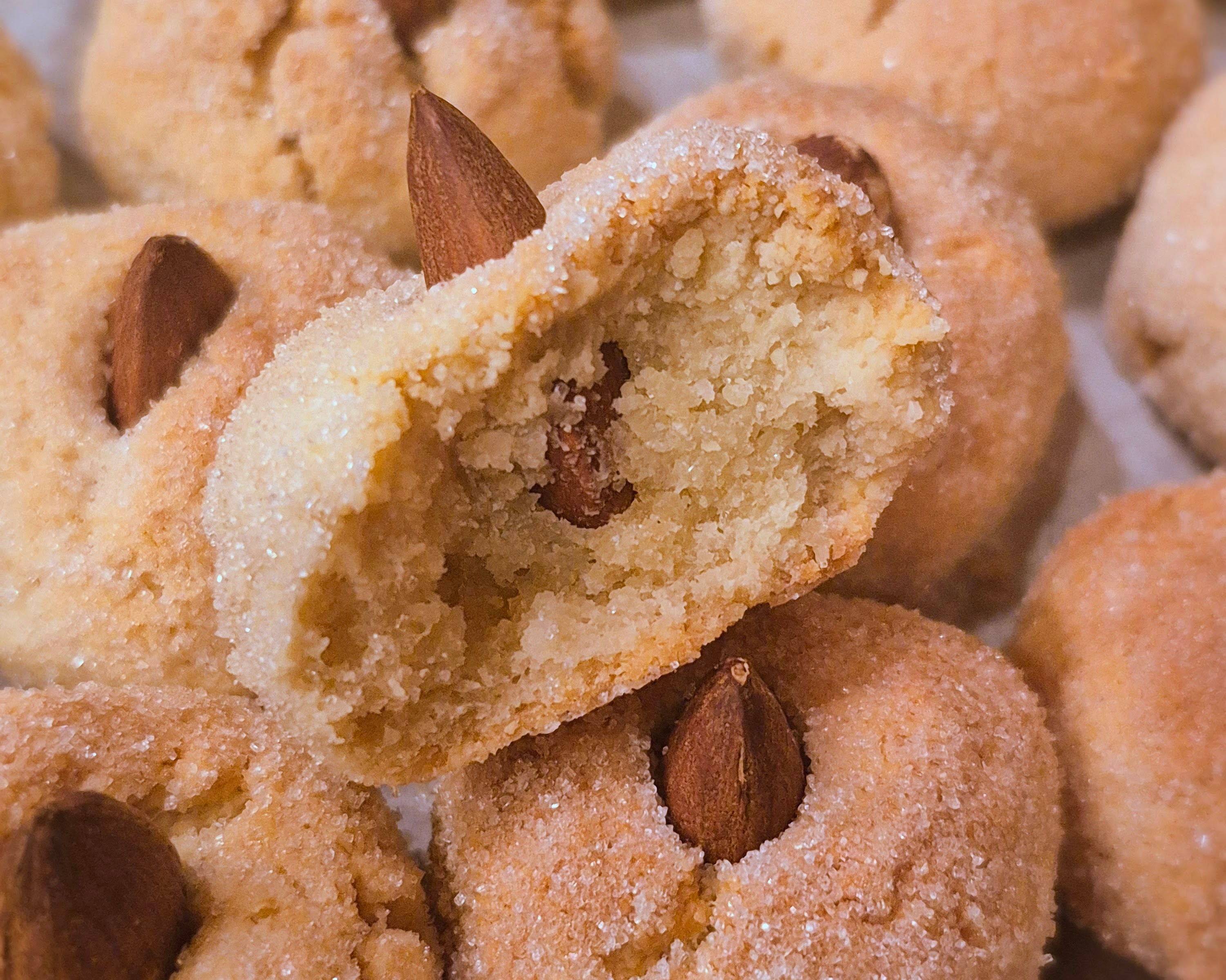
Italian Amaretti Cookies

A timeless cookie made without flour or butter—delicate, lightly sweet, and perfect for a small treat.

👉 Get the full recipe here Italian Amaretti Cookies

Baked Gorgonzola Stuffed Pears

Sweet fruit paired with savory cheese makes a satisfying, portion-friendly dessert.
👉 Get the full recipe here Baked Gorgonzola Stuffed Pears

Starting the New Year the Italian Way

Italian cooking has never been about cutting things out—it’s about balance, quality ingredients, and enjoying food with intention. These healthy Italian recipes are the ones I turn to when I want meals that feel good, taste great, and still honor tradition.

As you move into the New Year, I hope these dishes inspire you to cook simply, eat well, and gather often. Because the healthiest meals are the ones that bring comfort, nourishment, and a little joy to the table.

Let me know in the comments—which recipe will you start with?


Italian Wedding Cookies (Classic Butterball Style)

Italian Wedding Cookies (Classic Butterball Style)

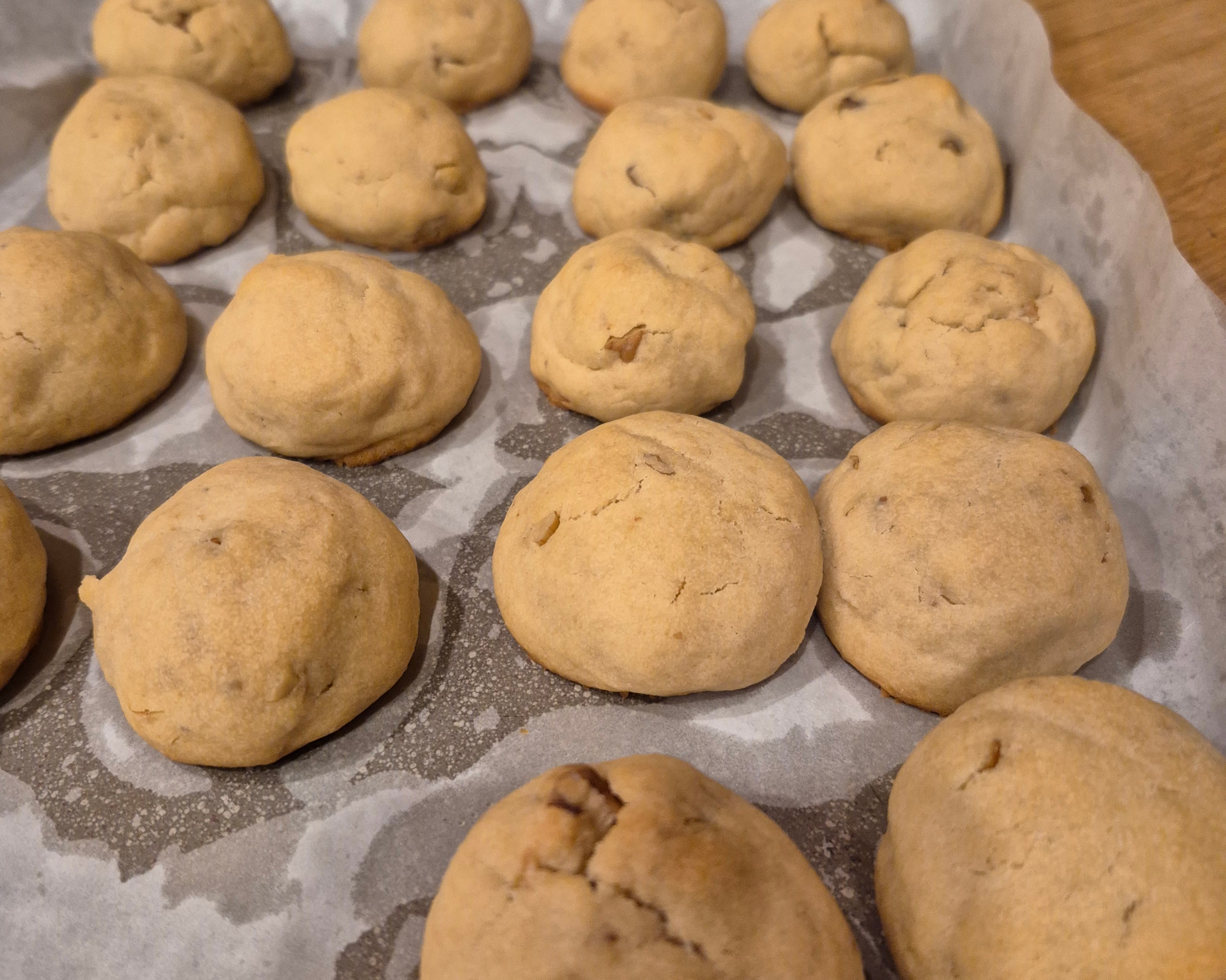
These traditional Italian Wedding Cookies are the kind of cookie you’ll find piled high on platters at weddings, holidays, and Sunday family gatherings. Simple, buttery, and dusted generously with powdered sugar, they practically melt the moment they hit your tongue.

They’re not flashy cookies — and that’s exactly the point. Made with just a handful of pantry ingredients, these cookies rely on good butter, proper balance, and gentle handling. This is the recipe I come back to year after year when I want something timeless and unmistakably Italian.

Things to know about Italian Wedding Cookies (Classic Butterball Style)

  • These cookies should not brown — pale equals tender.

  • Chilling the dough prevents spreading.

  • Rolling twice in powdered sugar gives that signature snowy finish.


Storage

  • Store in an airtight container at room temperature for up to 1 week.

  • They also freeze beautifully (uncoated). Roll in powdered sugar after thawing.


Final Note

Italian wedding cookies prove that the simplest recipes are often the most beloved. No nuts, no fuss — just buttery, delicate cookies that feel like a bite of celebration every time.

If you love classic Italian cookies like these, be sure to explore more of my favorites. From Italian amaretti cookies to traditional almond cantucci cookies, you’ll find plenty of old-world treats perfect for holidays, celebrations, or everyday baking.

👉 Browse all my Italian cookie recipes here.

Italian Wedding Cookies (Classic Butterball Style)

Servings:
Makes about 36–40 cookies (1-tablespoon size)

Prep Time:
15 minutes
(+ 30–45 minutes chilling time)

Cook Time:
12–14 minutes per batch

Total Time:
About 1 hour (including chilling)

Ingredients

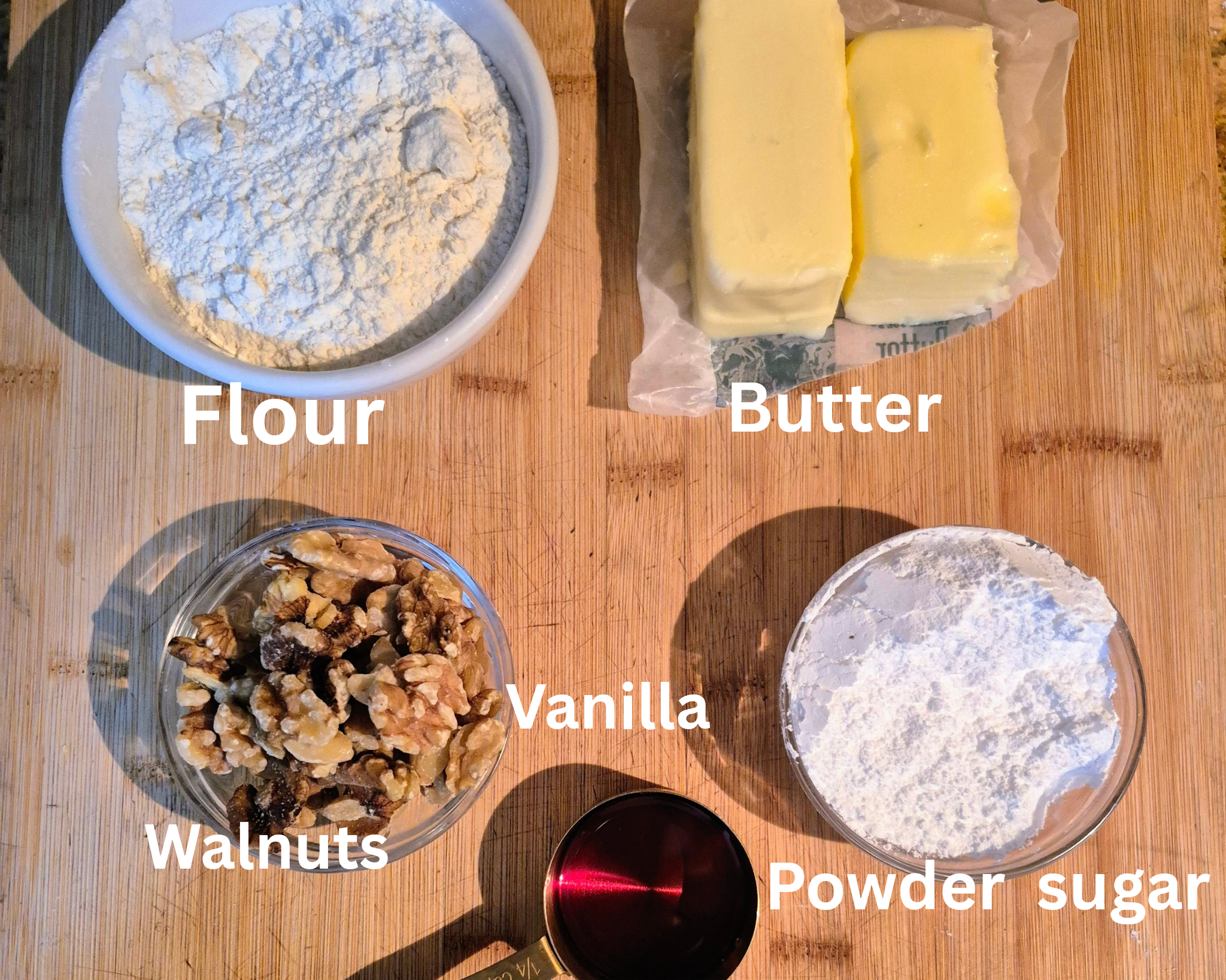
  • 2 sticks (1 cup) unsalted butter, softened

  • 1 cup powdered sugar, plus more for rolling after baking

  • 1 tablespoon vanilla extract

  • 2¼ to 2½ cups all-purpose flour

  • 1 cup finely chopped walnuts
  • Pinch of salt (optional, but recommended if using unsalted butter

Instructions

  1. Cream the butter and sugar
    In a large bowl, beat the softened butter with the powdered sugar until light, fluffy, and pale — about 3-4 minutes.

  2. Add vanilla
    Mix in the vanilla extract until fully incorporated.

  3. Incorporate the flour
    Gradually add the flour (starting with 2¼ cups) and salt, mixing just until a soft dough forms.

    1. The dough should be tender and not sticky.

    2. If it feels too soft, add flour 1 tablespoon at a time.

  4. Mix in the walnuts until well combined

Chill the dough
Cover and refrigerate for 30–45 minutes. This helps the cookies hold their shape.

  1. Shape the cookies
    Scoop about 1 tablespoon of dough and roll into small balls.

  2. Bake
    Place on a parchment-lined baking sheet and bake at 350°F (175°C) for 12–14 minutes.
    The cookies should stay pale with just a hint of color on the bottom — do not overbake.

  3. Finish with powdered sugar
    Let cookies cool slightly, then roll generously in powdered sugar.
    For a classic look, roll them again once fully cooled