How to make Homemade Beef Bone Broth

How to make Homemade Beef Bone Broth

If there’s one thing every home cook should have in their kitchen, it’s a pot of homemade beef bone broth quietly simmering away. This is the kind of old‑school cooking that builds flavor from the ground up—deep, savory, and packed with goodness. Whether you sip it straight from a mug or use it as the base for soups, risotto, or sauces, homemade bone broth is a total game‑changer.

Why Make Beef Bone Broth at Home?

Sure, you can buy broth at the store—but homemade beef bone broth has:

  • Far better flavor (rich, meaty, and deeply savory)
  • Natural gelatin from slow‑simmered bones
  • No additives or preservatives
  • Better value—you get multiple quarts for the price of bones

This is the same kind of broth our grandmothers made: simple ingredients, slow cooking, and patience.

Things to know about this Beef Bone Broth recipe

  • A properly made bone broth will gel when cold—that’s a good thing.
  • Don’t let the broth boil aggressively; a gentle simmer keeps it clear and clean‑tasting.
  • You can reuse the bones once more for a lighter second batch.

How to Use Beef Bone Broth

  • Soup bases (vegetable, beef, or noodle soups)
  • Risotto or polenta instead of water
  • Braising meats
  • Sipping warm with a pinch of salt
  • Sauces and gravies
  • Storage

    • Refrigerator: up to 5 days in an airtight container
    • Freezer: up to 6 months (freeze in quart containers or silicone molds)
    • If you loved this homemade beef bone broth, here are a few ways to put it to work:
      • Use it as the base for my Italian Meatball Sauce
      • Swap it in for water in Polenta for extra depth
      • Build cozy bowls of Vegetable or Beef Soup
      • Freeze it and keep it on hand for weeknight cooking

    Final Thoughts

    Making beef bone broth this way is simple, intentional cooking—searing everything together, keeping the vegetables whole, and letting time do the work. The result is a clean, deeply flavored broth you can use across your kitchen all week.

Ingredients

  • 4–5 pounds beef bones (a mix of marrow bones, knuckle bones, and meaty bones is ideal)
  • 1 beef shank
  • 2 tablespoons olive oil
  • 1 whole onions, peeled
  • 2 whole carrots, peeled
  • 2 whole celery stalks
  • 4 cloves garlic 
  • 2 bay leaves
  • 1 teaspoon black peppercorns
  • Water, enough to cover
  • 1/3 cup apple cider vinegar
  • Salt to taste

Instructions

1. Sear the Meat

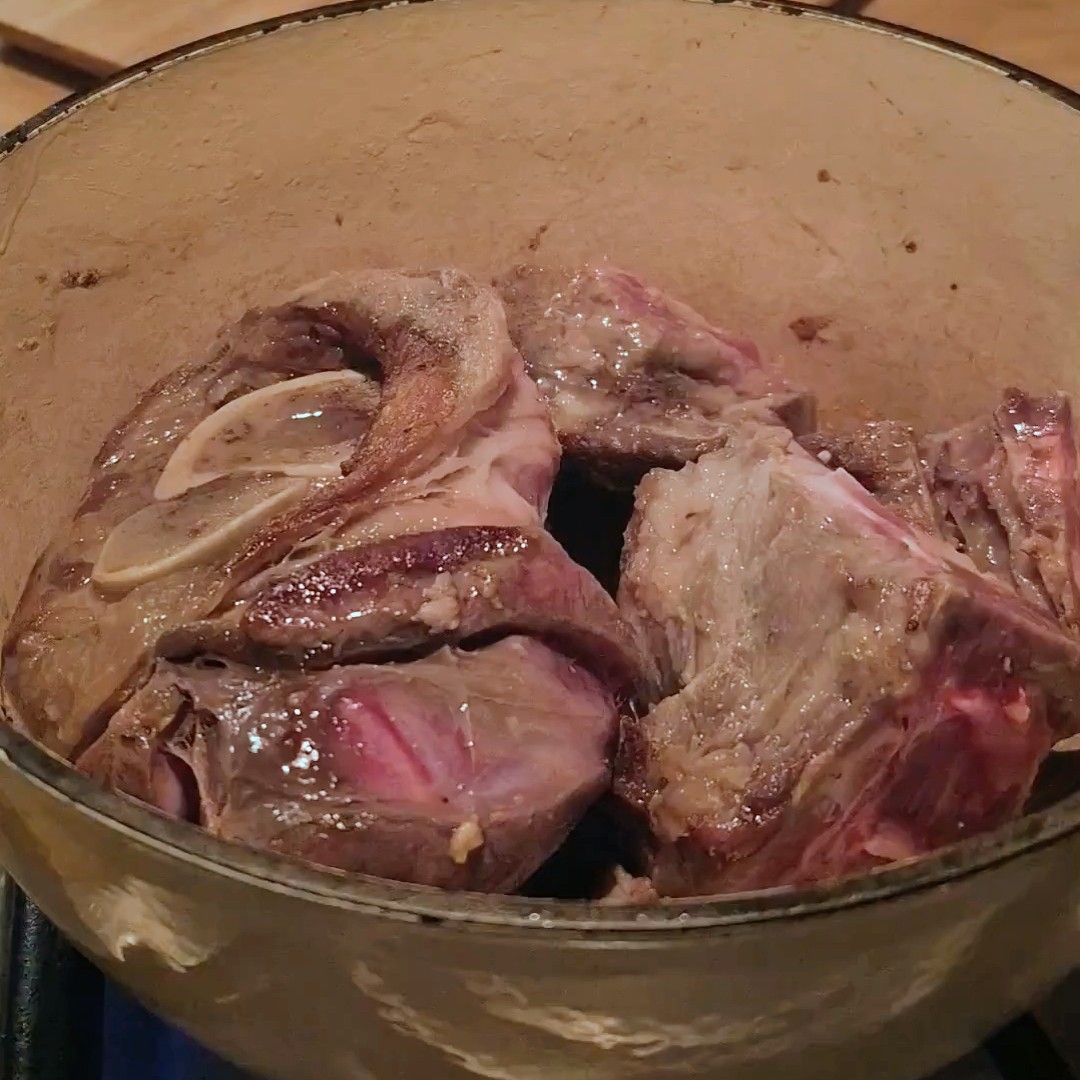
Heat olive oil in a large stock pot or Dutch oven over medium-high heat. Season the beef shank and any meaty bones lightly with salt. Add all the meat to the pot together and sear until deeply browned on all sides. Work in batches only if needed to avoid crowding.

This step builds the foundation of flavor directly in the pot—no roasting required.

2. Add the Aromatics

Add onions, carrots, celery, garlic, bay leaves, and peppercorns.

3. Add Water & Vinegar

Cover everything with cold water (about 12–14 cups). Stir in the apple cider vinegar—this helps extract collagen and minerals from the bones.

4. Simmer Low and Slow

Bring the pot just to a gentle boil, then immediately reduce to a low simmer. Skim off any foam that rises to the top during the first 30 minutes.

Simmer covered for 2 1/2 -3 hours

Add more water if needed to keep the bones submerged.

5. Strain the Broth

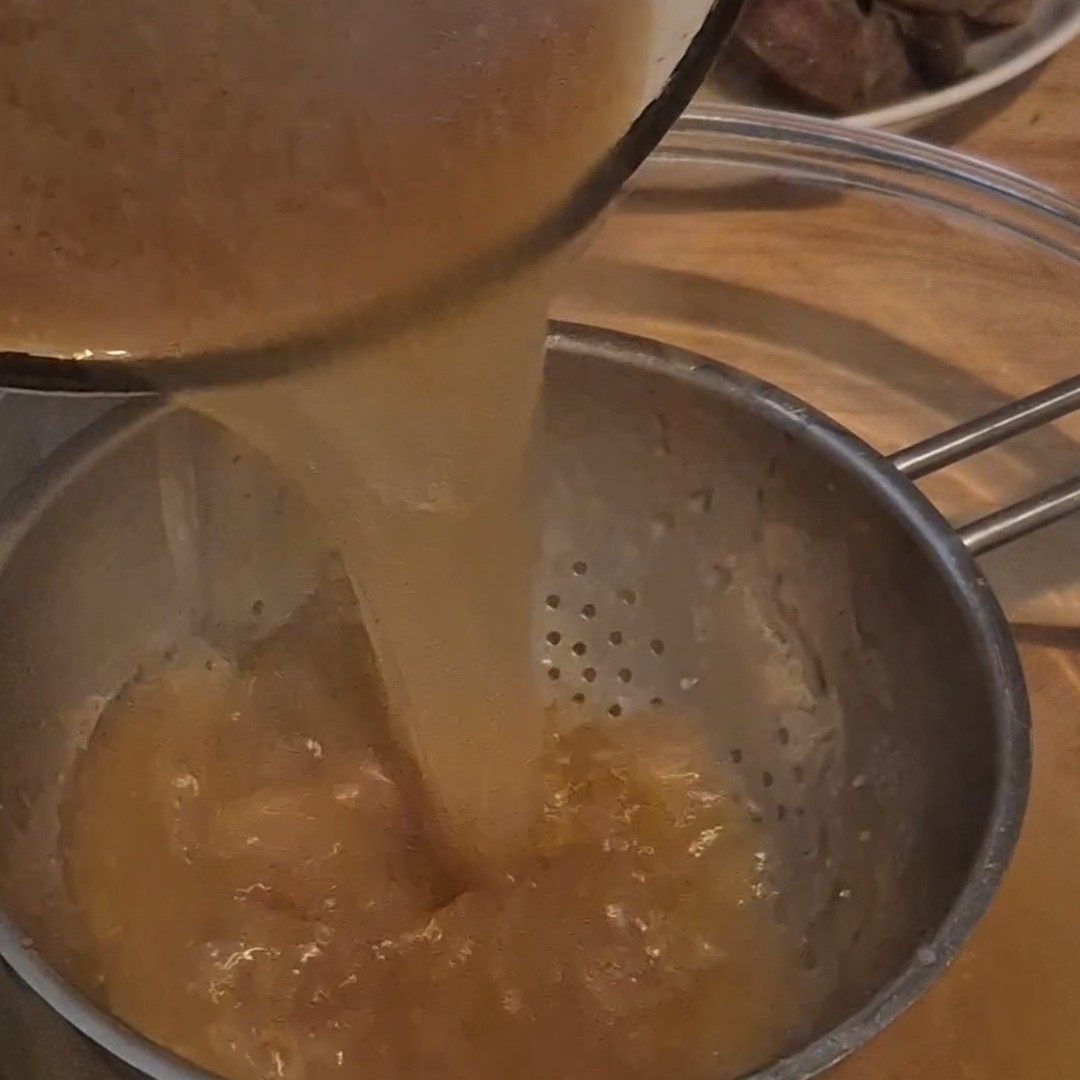
Remove the bones and vegetables. Strain the broth through a fine‑mesh sieve into a large bowl or container.

6. Cool & Store

Let the broth cool completely. Refrigerate overnight, then skim off any hardened fat from the top (save it for cooking—it’s gold).


The Ultimate Thanksgiving Dinner Guide

The Ultimate Thanksgiving Dinner Guide

We don’t celebrate Thanksgiving in Italy — at least, not in the traditional American sense. But we do celebrate the same spirit behind it: gathering with family, sharing food made from the heart, and being grateful for the simple joys of life. In Italy, that feeling comes alive during big Sunday lunches or holiday feasts — long meals that stretch into the afternoon, filled with laughter, stories, and too many delicious dishes to count.

When I moved to America, I instantly fell in love with Thanksgiving. It reminded me so much of those Italian family gatherings — the warmth, the noise, the joy of being together around a table overflowing with food. Over the years, I’ve blended a little bit of both worlds into my celebration: classic Thanksgiving dishes with touches of Italian flavor and comfort.

Whether you’re hosting for the first time or a seasoned cook looking to freshen up your holiday menu, this guide brings together my favorite recipes from the blog — from a perfectly roasted holiday turkey and cozy Italian-style soup, to flavorful side dishes that make the meal unforgettable. My goal is to help you create a Thanksgiving dinner that feels joyful, comforting, and wonderfully stress-free — the kind that leaves you with time to savor every bite and every moment.

Thanksgiving Planning 101

A stress-free Thanksgiving starts with a little planning. The secret? Do as much as you can ahead of time. I like to make my shopping list a week before and start prepping small things early — chopping herbs, mixing pie dough, or even setting the table the night before.

Here’s a simple plan to follow:

  • 1 Week Before: Finalize your menu and grocery list.

  • 3 Days Before:  If using a frozen turkey, set in the fridge to thaw. Prep vegetables, bake desserts, and make cranberry sauce.

  • 1 Day Before: Brine or season the turkey, assemble casseroles, and set the table.

  • Thanksgiving Day: Roast the turkey, warm the sides, and savor every moment.

    • Tip: Use large sheet pans or trays to organize ingredients for each dish — it keeps your prep area tidy and makes cooking so much smoother.

    • Defrosting Turkey

      How to Defrost a Turkey
      If you’re using a frozen turkey, be sure to give yourself plenty of time to thaw it safely in the refrigerator. The rule of thumb is 24 hours of thawing for every 4–5 pounds of turkey. Place the wrapped turkey on a rimmed baking sheet to catch any drips, and let it slowly defrost in the coldest part of your fridge. A large bird can take several days, so plan ahead — starting the thaw early is one of the biggest stress-savers of Thanksgiving week.

The Star of the Show — The Turkey

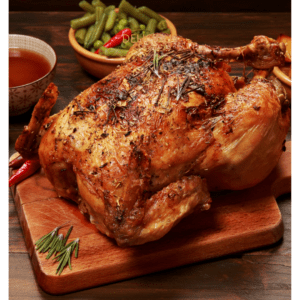
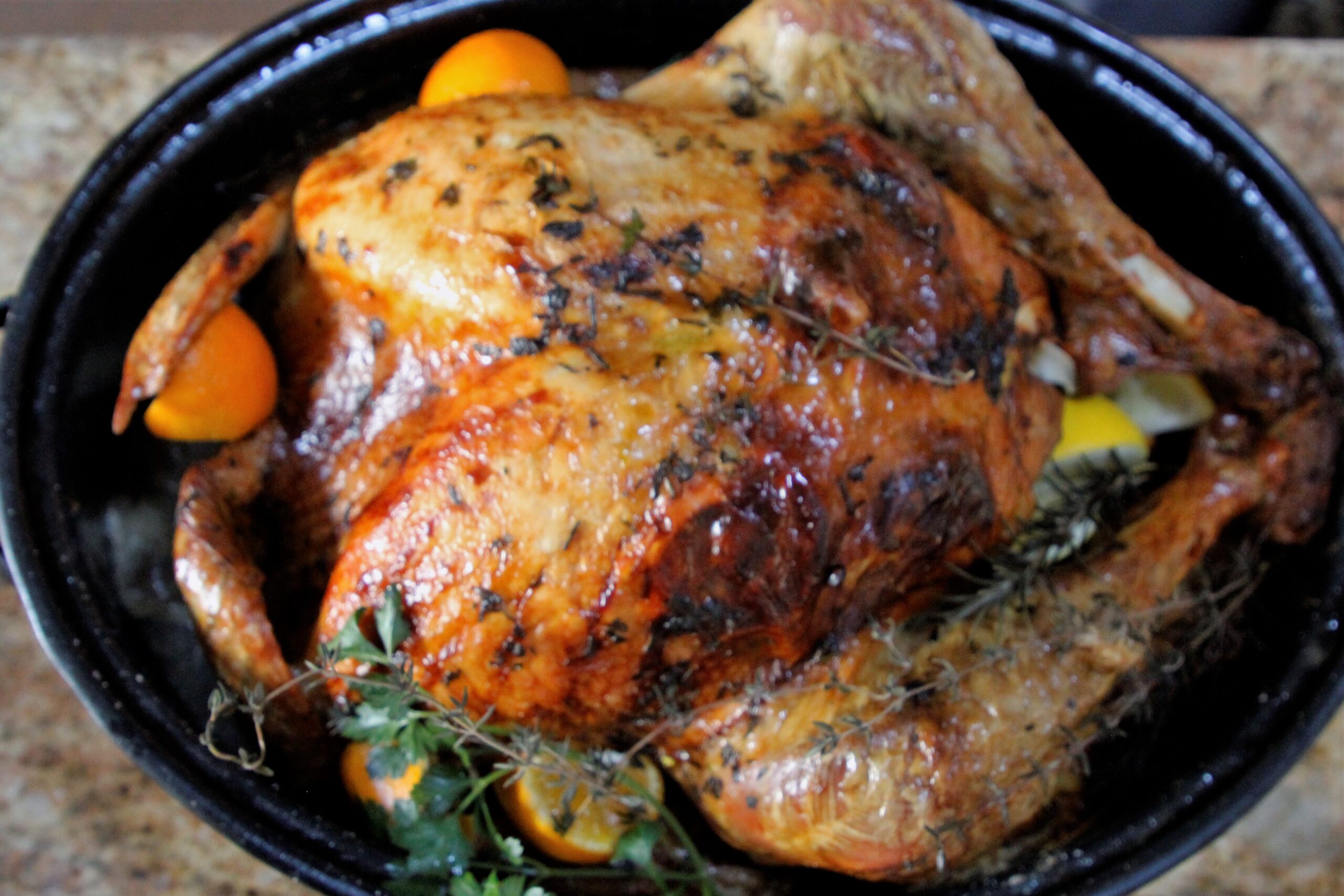
Every Thanksgiving table begins with the turkey, and my Best Holiday Turkey recipe is one I look forward to making each year. Roasted with garlic, herbs, and plenty of butter, it’s juicy, tender, and full of flavor.

Even though turkey isn’t something we often cooked in Italy, I’ve come to appreciate how it brings everyone together in the same way a big Italian roast might. The aroma fills the kitchen, the golden skin crackles as it roasts, and everyone hovers around waiting for that first slice.

  • Turkey Roasting Time and Temperature Guide

    Oven Temperature:

    • Roast at 325°F (165°C) — the perfect balance for even cooking and a juicy bird.

    Cook Time per Pound (Unstuffed Turkey):

    • 15–17 minutes per pound at 325°F

    Cook Time per Pound (Stuffed Turkey):

    • 16–18 minutes per pound at 325°F

    Example:

    • 12-lb unstuffed turkey → about 3 to 3.5 hours

    • 16-lb unstuffed turkey → about 4 to 4.5 hours

Pro Tips:

  • Let the turkey rest for at least 30 minutes before carving.

  • Always use a meat thermometer (165°F for the breast, 175°F for the thigh).

  • Save the carcass — it makes the most comforting broth for soup the next day.

Holiday Soup to Start the Meal

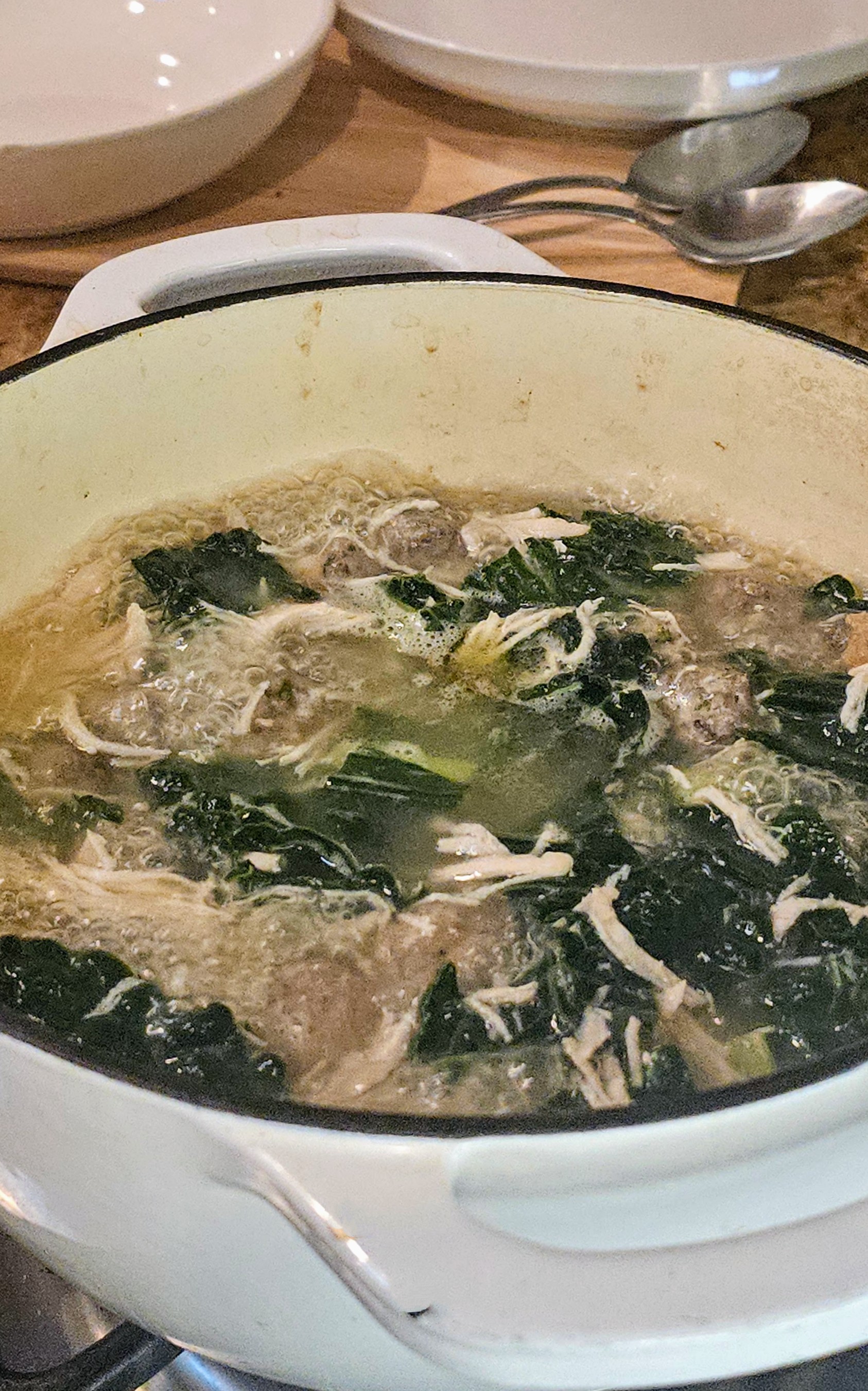
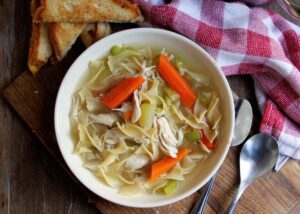
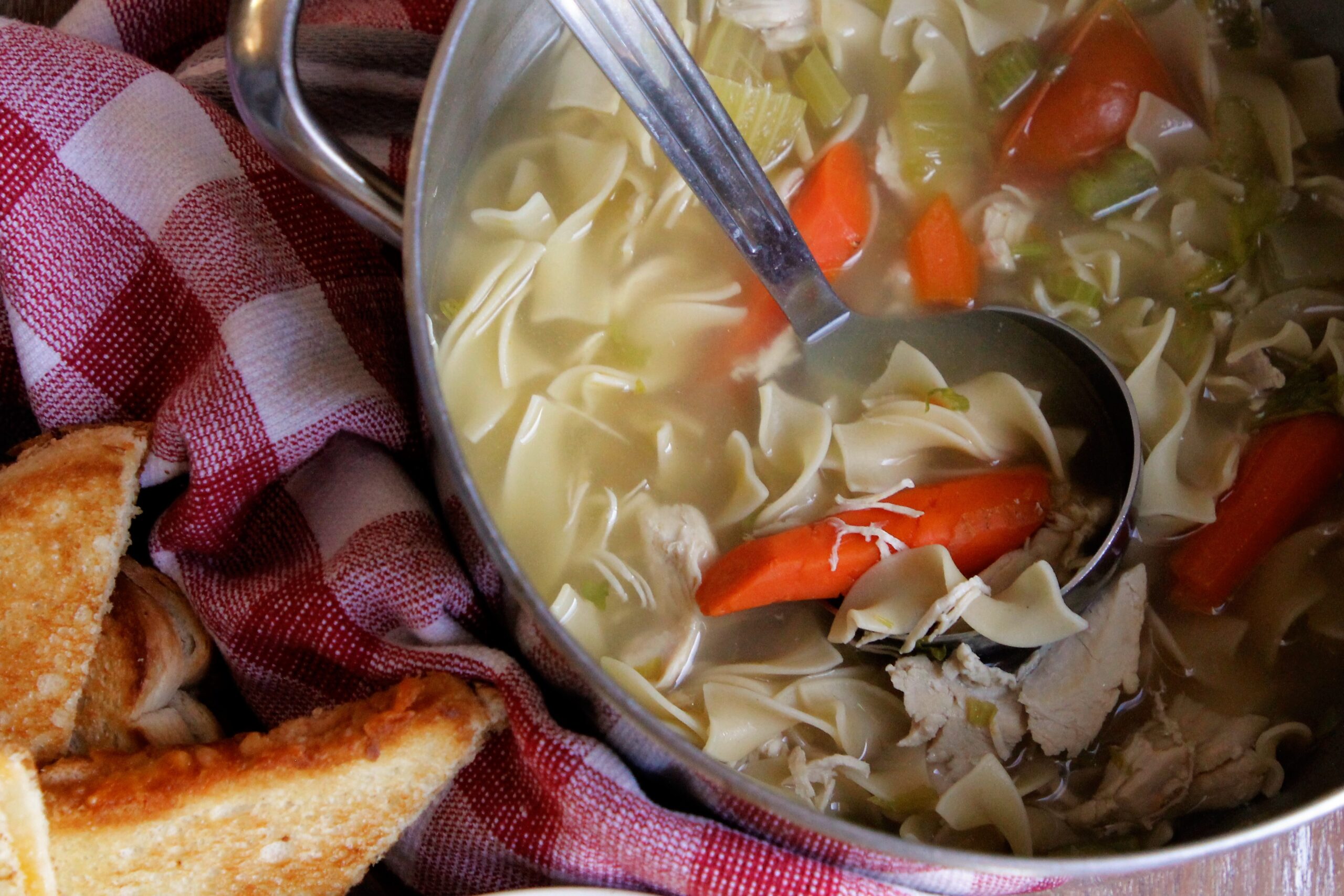
  • Before the main feast begins, I love starting with something warm and cozy. My Italian Holiday Chicken Soup is light but flavorful ,

    It reminds me of the simple soups my mother used to make in Italy before a big meal — meant to prepare your appetite and warm your heart. The best part? It can be made a day in advance and reheated just before serving, so it’s one less thing to worry about on Thanksgiving Day.

  • Get the recipe: Italian Holiday Chicken Soup

  • Favorite Thanksgiving Side Dishes

    No Thanksgiving table is complete without an array of sides — and in my kitchen, they often take center stage. I like mixing traditional favorites with Italian-inspired twists that bring a little Mediterranean flair to the holiday table.

    Try some of these delicious sides from the blog:

    • Savory Sausage and Mushroom Stuffing – hearty, rich, and full of flavor.

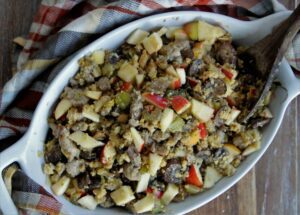
    • chicken apple stuffing – sweet, savory and full of fall flavors.

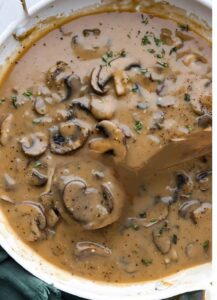
    • Easy Savory Mushroom Gravy – the perfect topping for turkey or mashed potatoes.

    • Balsamic glazed Brussel sprouts  quick, easy, and irresistible stovetop side dish that comes together in just minutes.

    • Easy homemade cranberry sauce You won’t believe how quick this Easy  Cranberry Sauce comes together.  It takes just minutes to make, and taste  better than store bought.
    • Parmesan scallop mashed potatoes There is something about mashed potatoes that just says Thanksgiving. And when you take that classic and add parmesan cheese it’s Italian!!
    • Sweet Endings — Desserts

      After the feast, dessert is where the celebration continues. Whether you’re a pumpkin pie traditionalist or love something a little different, these desserts bring warmth and a touch of sweetness to end the meal.

      Favorite desserts from my kitchen:

      Hosting Tips & Timeline

      A smooth Thanksgiving is all about timing and ambiance. I like to set my table the night before — candles, linens, serving pieces all ready — so I can focus on cooking and enjoying the day.

      Hosting checklist:

      • Create a serving plan (decide which dish goes in which pan or bowl). serving bowls

      • Warm your plates before serving set in the oven after removing the turkey and turning the oven off.  — it keeps the food hotter longer.

      • Set out appetizers and drinks early so guests can mingle while you finish cooking.

      • Keep a small pot of simmering citrus and herbs on the stove — it fills the house with the most wonderful scent.

      • Leftovers Reinvented

        If you ask me, the day after Thanksgiving might be even better than the holiday itself. Leftovers turn into comforting meals that carry the celebration into the weekend.

        Try these ideas:

        Tip: Store leftovers in clear containers so you can easily see what you have. It helps reduce waste and makes meal planning simple.

      • Thanksgiving might not be an Italian tradition, but its heart — gathering together in gratitude — feels beautifully familiar. It reminds me of home, of family tables overflowing with love, laughter, and food made with care.

        Whether your meal is big or small, traditional or a little Italian-inspired, I hope this guide helps you create a holiday that’s full of warmth, flavor, and joyful memories.


Squash Varieties + Easy Cooking Ideas

Squash Varieties + Easy Cooking Ideas

Every fall, I look forward to squash season. Growing up, it was a staple at the market, and even now I can’t resist filling my basket with all the different shapes and colors. Each variety has its own personality—some sweet and creamy, others nutty and hearty—and they all find their way into comforting dishes in my kitchen. From soups and pastas to stuffed squash dinners, these vegetables bring warmth to the table.

Why Squash is So Special

Squash is more than just pretty on the counter—it’s wholesome, versatile, and naturally comforting. Packed with fiber, vitamins, and antioxidants, it’s a vegetable that feels indulgent while being nourishing. And I love how it works in both savory dishes (like roasted squash with herbs or creamy risottos) and sweet recipes (cakes, muffins, even cookies).

Things to know about Squash Varieties + Easy Cooking Ideas

Common Types of Squash

  • Butternut Squash 
    Sweet, creamy, and one of the most popular varieties. Perfect for soups, roasting, or blending into a pasta sauce.

  • Acorn Squash 
    Mild and nutty with a tender texture. Its natural “bowl” shape makes it perfect for stuffing with sausage, rice, or grains.

  • Delicata Squash 
    Quick-cooking with edible skin, slightly sweet flavor, and beautiful striped skin. Great roasted in slices or tossed into salads.

  • Spaghetti Squash 
    Once baked, its flesh turns into golden strands that mimic pasta. A fun and lighter way to serve saucy dishes.

  • Easy Ways to Cook Squash

    • Roast with olive oil, garlic, and fresh herbs.

    • Stuff with sausage, rice, or seasonal vegetables.

    • Puree into soups, sauces, or risottos.

    • Toss into pasta or gnocchi.

    • Bake into breads, muffins, or cakes.

    • How to pick: Look for squash that feels heavy for its size, with firm skin and no soft spots.

    • Storage: Whole squash keeps well on the counter for 1–2 months. Once cut, store in the fridge and use within a week. Cooked squash can be frozen for up to 3 months.

    • Peeling tip: Microwave a whole squash for 2–3 minutes before peeling—it softens the skin and makes it easier to handle.

    • A Cozy Recipe to Try: Creamy Butternut Squash Pasta with Italian Sausage

      Now that we’ve explored the different types of squash and how versatile they can be, I wanted to share one of my favorite ways to enjoy butternut squash in the fall. It turns into the creamiest pasta sauce, and when paired with Italian sausage, it becomes the kind of hearty, comforting meal everyone loves.

    • If you’re ready to start cooking with squash, I’ve got a few more cozy recipes to get you inspired. My Italian sausage & spinach butternut squash stuffed  Roasted Butternut Squash Gnocch 

Creamy Butternut Squash Pasta with Italian sausage

Ingredients

  • 1 medium butternut squash (about 2 ½–3 lbs), peeled, seeded, and cubed

  • 3 tbsp olive oil, divided

  • Salt and black pepper, to taste

  • ½ tsp crushed red pepper flakes (optional)

  • 1 lb Italian sausage (mild or spicy), casings removed

  • 1 small onion, finely chopped

  • 3 garlic cloves, minced

  • ½ cup chicken broth (or vegetable broth)

  • ½ cup heavy cream

  • ½ cup grated Parmesan cheese

  • 12 oz short pasta (rigatoni, penne, or orecchiette work well)

  • Fresh sage or parsley, for garnish

Instructions

    1. Roast the Squash: Preheat oven to 400°F (200°C). Toss cubed butternut squash with 2 tbsp olive oil, salt, pepper, and crushed red pepper flakes. Spread on a baking sheet and roast for 25–30 minutes, until tender and caramelized.

    2. Cook the Pasta: While the squash roasts, bring a large pot of salted water to a boil. Cook pasta according to package directions until al dente. Reserve 1 cup pasta water, then drain.

    3. Cook the Sausage: In a large skillet, heat 1 tbsp olive oil over medium heat. Add Italian sausage, breaking it apart with a spoon, and cook until browned and cooked through. Remove sausage from the pan and set aside.

    4. Make the Sauce: In the same skillet, add onion and sauté until softened, about 5 minutes. Stir in garlic and cook 1 minute more. Add roasted squash and broth. Simmer for 3–4 minutes, then blend (with an immersion blender or carefully in a regular blender) until smooth and creamy. Stir in the heavy cream and Parmesan.

    5. Combine Everything: Return the sausage to the skillet. Add cooked pasta and toss, adding reserved pasta water as needed for a silky sauce.

    6. Serve: Garnish with fresh sage or parsley, extra Parmesan, and a drizzle of good olive oil. Serve warm.

    Storage

    Leftovers keep well in the fridge for 3 days. Reheat gently with a splash of broth or cream to loosen the sauce.


Italian Cod Puttanesca Recipe

Italian Cod Puttanesca Recipe

Cod Puttanesca is a delicious twist on the classic Italian pasta sauce known as sugo alla puttanesca. This bold, savory sauce originated in Naples in the mid-20th century and is famous for its briny mix of olives, capers, garlic, and anchovies simmered in tomatoes. Some say it was invented by resourceful cooks who threw together whatever pantry staples they had on hand, while others believe its name comes from the lively neighborhoods where it first became popular. Traditionally served with pasta, this rustic sauce also pairs beautifully with fresh fish. In this recipe, delicate cod fillets are gently simmered in puttanesca sauce, creating a light yet hearty meal that’s full of authentic Italian flavor.

Things to know about Italian Cod Puttanesca Recipe

  • Cod cooks quickly: Unlike salmon, cod is delicate and only needs a few minutes to finish in the sauce. Overcooking will make it dry.

  • Anchovies add depth: Even if you’re not an anchovy fan, they melt into the sauce and give it an authentic, savory flavor.

  • Best tomatoes to use: Whole San Marzano or high-quality canned tomatoes give the richest flavor.

  • Make it ahead: The puttanesca sauce can be made a day in advance; just add the cod when ready to serve.

More Recipes You’ll Love

If you enjoyed this Cod Puttanesca, try some of my other Italian favorites:

  • Serving ideas: Pair with crusty bread, spoon over pasta or orzo, or keep it light with a side of roasted vegetables.

Italian Cod Puttanesca Recipe

  • Serving Size: 4 servings

  • Cook Time: 25 minutes

Ingredients

  • 4 cod fillets (about 6 oz each, skinless)

  • 3 tbsp olive oil, divided

  • 3 garlic cloves, thinly sliced

  • 1 small onion, finely chopped

  • 1 can (28 oz) whole peeled tomatoes, crushed by hand

  • 1/2 cup pitted Kalamata olives, halved

  • 2 tbsp capers, rinsed

  • 4–5 anchovy fillets, chopped (optional but traditional)

  • 1 tsp red pepper flakes (adjust to taste)

  • 1/2 cup dry white wine (optional, for deglazing)

  • Fresh parsley, chopped (for garnish)

  • Salt and freshly ground black pepper, to taste

Instructions

  1. Prepare the cod

    • Pat cod fillets dry and season lightly with salt and pepper.

    • Heat 2 tbsp olive oil in a large skillet over medium-high heat.

    • Sear cod on each side for about 2–3 minutes, until golden. Remove to a plate (it will finish cooking in the sauce).

  2. Make the sauce

    • In the same skillet, add remaining 1 tbsp olive oil.

    • Sauté garlic and onion until fragrant and softened, about 3 minutes.

    • Add anchovies (if using) and cook until they melt into the oil.

    • Stir in red pepper flakes, capers, and olives. Cook 1–2 minutes.

    • Deglaze with white wine (optional), scraping up any browned bits.

    • Add crushed tomatoes, stir, and simmer uncovered for about 10 minutes until slightly thickened.

    • Finish with the cod

      • Nestle the cod fillets into the sauce.

      • Spoon some sauce over the top, reduce heat to low, and cover.

      • Cook 5–7 minutes, until cod is opaque and flakes easily with a fork.

    • Serve

      • Garnish with fresh parsley.

      • Serve with crusty bread, pasta, or over a bed of orzo to soak up the sauce.


Italian Braciole in Tomato Sauce

 Italian Braciole in Tomato Sauce

The first day of September always feels like the true start of my fall cooking. The air turns a little cooler, and I naturally begin to crave those cozy Italian dishes that remind me of home.

When I was growing up, Sundays meant sauce simmering on the stove. My mom usually made it with meatballs, ribs, sausage — or sometimes all three. But every once in a while, she added braciole, and that made the meal extra special. She would pound slices of beef thin, fill them with cheese, herbs, and breadcrumbs, then roll them up tightly. After slowly cooking in the sauce until tender, they became the kind of dish that felt like a celebration.

For me, braciole will always mark the beginning of hearty, comforting meals — perfect for the cooler season ahead.

Things to Know About Italian Braciole

What is Braciole?
Braciole (pronounced brah-cho-lee) is a classic Italian dish made with thin slices of beef rolled around a savory filling, then simmered slowly in tomato sauce until tender. Once cooked, the rolls are sliced and served with the rich sauce over pasta or alongside crusty bread.

Regional Variations
Every Italian family makes braciole a little differently. In Southern Italy, you’ll often find fillings with raisins and pine nuts for a sweet-and-savory touch. In other regions, it’s kept simple with just breadcrumbs, garlic, parsley, and cheese. Some families also prepare braciole with pork or veal instead of beef.

Cooking Low and Slow
The key to tender braciole is patience. The beef needs time to soften as it gently simmers in the sauce, soaking up all that flavor. A heavy pot or Dutch oven works best for even cooking.

Perfect for Sunday Dinner
Braciole has always been considered a special occasion dish, often reserved for Sunday dinners or holidays. Making it on the first cool days of fall captures that same cozy sense of comfort and tradition.

Make-Ahead Friendly
Like many Italian dishes, braciole tastes even better the next day after the flavors have had time to meld. It’s the perfect make-ahead meal — impressive for guests yet easy to reheat and serve

Servings: 4
Cook Time: About 2 hours (hands-on 30 minutes)

Ingredients

For the Braciole:

  • 4-6 thin slices beef top round (about 6–8 ounces each, pounded to ¼-inch thickness)

  • 1/2 cup grated Parmesan or Pecorino Romano

  • ½ cup breadcrumbs (preferably Italian seasoned)

  • 2 garlic cloves, finely minced

  • 1/2 cup fresh parsley, chopped

  • 2 tablespoons pine nuts (optional, but traditional in many regions)

  • Salt & freshly ground black pepper
  • Olive oil, for searing

  • Butcher’s twine or toothpicks for tying

For the Sauce:

  • 3 tablespoons olive oil

  • 1 small onion, finely chopped

  • 2 garlic cloves, minced

  • 1/2 cup chopped parsley
  • 1 can (28 ounces) crushed tomatoes

  • 1 can 14 ounces tomato sauce
  • ½ cup red wine

  • 1 teaspoon dried oregano (or 2 teaspoons fresh)

  • ½ teaspoon red pepper flakes (optional)

  • 1 bay leaf

  • Salt & pepper to taste

  • Fresh basil, for finishing

Instructions

  1. Prepare the filling – In a small bowl, combine breadcrumbs, Parmesan, garlic, parsley, and pine nuts. Season lightly with salt and pepper.

  2. Assemble the rolls – Lay each beef slice flat. cover with plastic wrap and pound thin divide  the filling evenly in the center of each slice. Roll the beef tightly into a log and secure with twine or toothpicks.

  3. Brown the braciole – Heat olive oil in a large heavy pot or Dutch oven over medium-high heat. Sear the beef rolls on all sides until browned, 6–8 minutes. Transfer to a plate.

  4. Make the sauce – In the same pot, add more olive oil if needed. Sauté onion until soft, about 5 minutes, then stir in garlic and parsley. Deglaze with red wine, scraping up any browned bits. Add crushed tomatoes and the sauce,  oregano, red pepper flakes, bay leaf, salt, and pepper. and stir well, Simmer covered for 1 hour

  5.  Return the braciole to the pot, nestling them into the sauce. Cover with a lid and simmer gently on low for about 1 hour, or until the beef is tender. Stir occasionally and add a splash of water if sauce thickens too much.

  6. Serve – Remove the twine or toothpicks, slice the braciole into rounds, and serve topped with sauce. Garnish with fresh basil and more grated cheese.

  7.  More Serving Suggestions for Braciole

    • Over Pasta – Toss the rich tomato sauce with spaghetti, rigatoni, or ziti, then serve the sliced braciole on top.

    • With Polenta – Creamy polenta is a classic Italian pairing that soaks up all the delicious sauce.

    • Crusty Bread – A warm loaf is a must for dipping into the sauce.

    • Vegetable Sides – Pair with roasted broccoli, garlicky green beans, or a simple side salad for balance.

    • Wine Pairing – A medium-bodied red like Chianti or Montepulciano complements the richness perfectly.


Pork Medallions Marsala with Mushrooms

Pork Medallions Marsala with Mushrooms

When the weather turns crisp, I crave meals that feel rustic yet refined. Pork Medallions Marsala is one of those dishes that instantly brings me back to my restaurant days. It was a customer favorite on our fall menu — tender rounds of pork seared until golden, then simmered in a silky Marsala wine sauce with mushrooms.

The dish had just the right balance of comfort and elegance, which made it perfect for both a weeknight dinner and a special occasion. I remember guests telling us it felt like something you’d order in a little Italian trattoria, yet it came together so simply in our kitchen.

Now, I make it at home for my family. The earthy mushrooms, sweet Marsala, and tender pork remind me of those busy fall nights at the restaurant, when the dining room was full and this dish was always on repeat. It’s still just as cozy, comforting, and elegant — but now it’s a recipe you can bring to your own table.

Restaurant Memory
This dish first appeared on our fall menu when the cooler evenings started calling for something heartier. We wanted a dish that felt warm and comforting, yet still had a touch of elegance — something our guests could enjoy with a glass of red wine. Pork Medallions Marsala checked every box.

I still remember how quickly it became a customer favorite. Tables would order it again and again, sometimes even requesting extra sauce to soak up with bread. For me, it was always a joy to watch a recipe created in our kitchen turn into a signature dish that brought people back. Today, I love recreating that same feeling at home.

Things to know about this Pork Medallions Marsala with Mushrooms

You said:
  •   Marsala Wine Choices – Sweet Marsala gives the sauce a richer, caramelized flavor, while dry Marsala leans more savory. Both work — it’s simply personal preference.
  • No Marsala? – If you can’t find Marsala wine, a dry sherry or Madeira makes a good substitute. Even a dry white wine with a splash of brandy works in a pinch.

  • The Right Cut – Pork tenderloin is best here since it stays juicy and tender when sliced into medallions. Pork loin can work, but may need a slightly longer cooking time.

  • Don’t Overcook the Pork – Pork is perfectly done at 145°F with a slight blush in the center. Overcooking will make the medallions tough.

  • Mushroom Options – Cremini, button, or baby bella mushrooms are classic, but feel free to try wild mushrooms for deeper flavor.

  • Make It Creamy (Optional) – Adding a splash of heavy cream gives the sauce a velvety richness, but it’s just as delicious without.

  • What to Serve It With – Mashed potatoes, creamy polenta, or buttered noodles are perfect for soaking up the sauce. For a lighter option, try roasted green beans or a simple arugula salad.

  • Meal Prep Friendly – The sauce reheats beautifully, so you can make it ahead and gently warm before serving.

Ingredients

 Pork Medallions Marsala with Mushrooms

Servings: 4
Prep Time: 15 minutes
Cook Time: 25 minutes
Total Time: 40 minutes

Ingredients

  • 2 pork tenderloins (about 1 ½ lbs total), trimmed and cut into 1-inch medallions

  • Salt and freshly ground black pepper

  • ½ cup all-purpose flour (for dredging)

  • 3 tablespoons olive oil (divided)

  • 2 tablespoons unsalted butter

  • 8 ounces cremini or button mushrooms, sliced

  • 2 cloves garlic, minced

  • 1 cup Marsala wine (sweet or dry)

  • 1 cup chicken stock (low-sodium)

  • ½ cup heavy cream (optional, for a richer sauce)

  • 2 teaspoons fresh thyme or chopped parsley (for garnish)

Instructions

  1. Prep the pork: Slice pork tenderloin into medallions, about 1-inch thick. Season generously with salt and pepper. Lightly dredge in flour, shaking off excess.

  2. Sear: Heat 2 tablespoons olive oil in a large skillet over medium-high. Sear pork medallions in batches, about 2–3 minutes per side, until golden but not fully cooked. Transfer to a plate.

  3. Cook the mushrooms: Add remaining olive oil and butter to the skillet. Sauté mushrooms until browned, about 5–6 minutes. Add garlic and cook 1 minute more.

  4. Deglaze with Marsala: Pour in the Marsala wine, scraping up any browned bits. Let simmer 2 minutes to reduce slightly.

  5. Finish the sauce: Add chicken stock and optional cream. Return pork medallions to the skillet, nestling into the sauce. Simmer gently 5–7 minutes, until pork is cooked through (145°F internal temperature).

  6. Serve: Garnish with thyme or parsley. Serve over mashed potatoes, polenta, or buttered pasta


Salmon alla Puttanesca – Rustic Italian Salmon

Salmon alla Puttanesca – Rustic Italian Salmon

When I think of bold Italian flavors, puttanesca sauce immediately comes to mind. In our restaurant, we loved taking this rustic southern Italian classic and pairing it with tender salmon fillets for something a little different from the usual pasta. The briny olives, salty capers, and anchovies simmer into a rich tomato sauce that clings beautifully to the fish. Served with pasta or just some crusty bread on the side, this Salmon alla Puttanesca always brought the taste of the Mediterranean right to the table — and it’s just as easy to make at home.

Things to know about this Salmon alla Puttanesca – Rustic Italian Salmon

  • Origin of the sauce: Puttanesca sauce comes from southern Italy, most often Naples, and is famous for its bold mix of tomatoes, olives, capers, and anchovies.

  • Quick to make: This dish comes together in about 30 minutes, making it perfect for a weeknight dinner with a restaurant-quality feel.

  • Not overly “fishy”: The anchovies melt into the sauce, adding a savory depth without overpowering the salmon.

  • Flexible serving options: Serve over spaghetti for a classic Italian pairing, or keep it lighter with roasted vegetables or crusty bread.

  • Fresh or pantry-friendly: The sauce relies on pantry staples like canned tomatoes, capers, and olives, so you can whip it up anytime.

  • Restaurant-style at home: We used to serve this in the restaurant, and it was always a favorite because it’s elegant, flavorful, and satisfying without being fussy.

  • If you love Italian salmon recipes, don’t miss my quick and easy creamy Salmon Piccata — a lighter, lemony dish that’s just as easy and full of flavor! or salmon spiedini tender, flavorful salmon skewers with a hint of lemon and herbs, perfect for a simple weeknight dinner or a summer grill!

Ingredients

Prep Time: 10 minutes
 Cook Time: 20 minutes
 Servings: 4

  • 4 salmon fillets (about 6 oz each, skin on or off)

  • 3 tbsp olive oil, divided

  • 3 garlic cloves, thinly sliced

  • 1 tsp red pepper flakes (optional, for heat)

  • 1 can (14 oz) crushed tomatoes

  • ½ cup Kalamata olives, pitted and halved

  • 2 tbsp capers

  • 4 anchovy fillets (or 1 tsp anchovy paste)

  • 1 tsp dried oregano

  • 1 cup cherry tomatoes, halved (optional for freshness)

  • 1 cup white wine
  • Salt and black pepper to taste

  • 2 tbsp fresh parsley, chopped

  • Lemon wedges, for serving

Instructions

  1. Sear the Salmon

    • Pat salmon dry, season with salt and pepper.

    • Heat 2 tbsp olive oil in a large skillet over medium-high heat.

    • Sear salmon skin-side down for 3–4 minutes, then flip and cook another 2–3 minutes until just cooked through. Remove and set aside.

  2. Make the Puttanesca Sauce

    • In the same pan, add remaining 1 tbsp olive oil and garlic. Sauté until fragrant.

    • Stir in red pepper flakes, anchovies, and oregano. Cook until anchovies melt into the oil. deglaze the pan with the wine , waiting until fully evaporated before proceeding.

    • Add crushed tomatoes, olives, capers, and cherry tomatoes. Simmer 10 minutes until sauce thickens slightly. Taste and adjust seasoning.

  3. Finish the Dish

    • Nestle salmon fillets into the sauce and spoon sauce over the top. Simmer gently 2 minutes to warm through.

    • Garnish with parsley and serve with lemon wedges


Sugo Crudo –  No-Cook Italian Tomato Sauce

Sugo Crudo –  No-Cook Italian Tomato Sauce

In Italy, sugo crudo — meaning “raw sauce” — is a summertime favorite that captures the very essence of fresh, ripe tomatoes. Sweet, juicy tomatoes are paired with fragrant basil, garlic, and rich extra virgin olive oil for a pasta dish that’s as simple as it is unforgettable. Best of all, it’s ready in the time it takes to cook your pasta.
While it’s a traditional dish often enjoyed during Ferragosto on August 15th, when families gather to celebrate the height of summer, it’s just as delicious any time you have sun-ripened tomatoes on hand. Light, vibrant, and bursting with flavor, it’s the perfect recipe for warm-weather dining — or for bringing a taste of summer to your table year-round

Things to know about this Sugo Crudo –  No-Cook Italian Tomato Sauce

Things to Know About This Sugo Crudo – No-Cook Italian Sauce

  • Use the ripest tomatoes – The flavor of this sauce depends entirely on high-quality, sun-ripened tomatoes.

  • Let it rest – Allow the sauce to sit at room temperature for 15–30 minutes to let the flavors meld.

  • Choose good olive oil – A fruity, extra virgin olive oil enhances the taste beautifully.

  • Customize freely – Add a pinch of red pepper flakes or extra garlic if you like a little heat or more flavor.

  • Serve immediately – Toss with hot pasta right before serving so the sauce stays fresh and vibrant.

  • Add fresh mozzarella pearls – Gently fold in small mozzarella pearls just before serving for a creamy, melty texture that complements the fresh tomatoes

  • Craving More Italian Sauces?

    If you loved this Sugo Crudo, you won’t want to miss these other favorites:
    Classic Italian Sunday Meatball Sauce – Slow-simmered, rich, and perfect for hearty pasta nights.
    Caprese spaghetti Roasted Tomato Sauce – Smoky, bold, and full of flavor for your next pasta dish.

    Bring the taste of Italy to your table again and again!

Ingredients

  • Servings: 4
    Prep Time: 15 minutes
    Cook Time: 10 minutes (for pasta)
    Total Time: 25 minutes


    Ingredients

    • 2 pounds ripe tomatoes (heirloom, cherry, or San Marzano)

    • 1 cup extra virgin olive oil

    • 2 cloves garlic, finely minced

    • ½ cup fresh basil leaves, torn

    • 1 teaspoon salt (plus more for pasta water)

    • ½ teaspoon freshly ground black pepper

    • ¼ teaspoon red pepper flakes (optional)

    • 1 pound pasta (spaghetti, linguine, or penne

    • 2 cups mozzarella pearls or balls cut in half

Instructions

    1. Prepare the tomatoes

      • Slice the tomatoes in half, remove most of the seeds, and chop into small pieces. For a smoother texture, pulse them briefly in a food processor.

    2. Mix the sauce

      • In a large mixing bowl, combine chopped tomatoes, fresh mozzerella garlic, basil, olive oil, salt, black pepper, and red pepper flakes if using.

      • Stir gently, cover, and let rest at room temperature for 15–30 minutes while you cook the pasta.

    3. Cook the pasta

      • Bring a large pot of salted water to a boil. Cook pasta until al dente according to package directions. Reserve ½ cup of the cooking water before draining.

    4. Bring it all together

      • Toss hot pasta with the sugo crudo, adding a splash of the reserved pasta water if needed to help the sauce coat the noodles.

    5. Serve immediately

      • Garnish with more basil and a drizzle of olive oil. Serve warm or at room temperature with crusty bread.


    Tips for the Best Sugo Crudo

    • Tomatoes matter most – Use the ripest summer tomatoes you can find.

    • Let the sauce rest – This allows the garlic and basil to infuse the tomatoes.

    • Quality oil is key – Choose a fruity, rich extra virgin olive oil.


    Serving Suggestion

    Perfect for a light summer lunch with chilled white wine, a crisp salad, and bread for soaking up every drop.


Easy Authentic Spaghetti Carbonara (No Cream!)

Easy Authentic Spaghetti Carbonara (No Cream!)

There was always one pasta dish that flew out of the kitchen faster than we could twirl it onto plates—Spaghetti alla Carbonara. Simple, rich, and irresistibly comforting, it was a favorite at our restaurant, where we served it up for around $19 a plate. But what most people don’t realize is how easy (and affordable!) it is to make at home. With just five pantry-friendly ingredients—eggs, Pecorino, pancetta or guanciale, pepper, and pasta—you can bring that same creamy, peppery magic to your own table in 20 minutes flat.

Carbonara is the kind of dish that proves simple can be extraordinary. There’s no cream , just the magic of emulsified pasta water and egg creating that iconic velvety sauce.

This version is my go-to at home: comforting, quick, and every bit as satisfying as the one we used to serve at the restaurant.


Things to Know About This Easy Authentic Spaghetti Carbonara (No Cream!)

  • No cream—ever! Real Italian carbonara is made creamy from eggs, Pecorino Romano, and pasta water—not heavy cream.

  • Guanciale is traditional, but pancetta or even good-quality bacon can be used in a pinch if you can’t find it.

  • Timing is key. The egg mixture is added off the heat to prevent scrambling—toss quickly with hot pasta to create a silky sauce.

  • Use Pecorino Romano, not Parmesan for that sharp, salty bite that defines authentic Roman flavor.

  • The pasta water is liquid gold. It helps emulsify the sauce and bring everything together without clumps.

  • It’s ready in 20 minutes—perfect for weeknight dinners or when you need something comforting and quick.

  • Avoid garlic and onions. Traditional carbonara is all about simplicity—just eggs, cheese, pork, pepper, and pasta.

  • Freshly cracked black pepper is a must. It gives carbonara its signature bite and aroma.

  • The dish originated in Rome, and it’s one of the four cornerstone pastas of Roman cuisine, along with cacio e pepe, amatriciana, and gricia.

  • Serve immediately. Carbonara doesn’t reheat well, so plan to enjoy it fresh out of the pan!

  • Craving more Roman classics? Try my other authentic favorites like Cacio e Pepe, Amatriciana, —simple, bold, and straight from the heart of Rome.

Servings: 3-4
Prep Time: 5 minutes
Cook Time: 15 minutes
Total Time: 20 minute

Ingredients

  • 1/2 lb. spaghetti
  • 3 egg yolks + 1 whole egg
  • 1 cup grated pecorino Romano
  • 6 oz .guanciale or pancetta
  •  2 Tbsp. Toasted and freshly ground black peppercorns
  • slash of pasta water
  •  Instructions:

    1. Cook the spaghetti
      Bring a large pot of salted water to a boil. Cook pasta until al dente. Reserve 1 cup of the starchy pasta water, then drain.

    2. Toast the peppercorns  add the peppercorns to a dry skillet and toast until fragrant ( 3-4 minutes) then grind in a mortar or small food processor. Set aside
    3. Cook the pancetta In the same pan
      While the pasta cooks, add the guanciale or  pancetta to a cold skillet. Turn heat to medium and cook until crispy and golden, about 5–6 minutes. Turn off the heat.

    4. Make the egg mixture
      In a bowl, whisk together eggs, Pecorino Romano, and a generous amount of black pepper.

    5. Combine it all
      Add hot, drained pasta to the pan with pancetta (off heat). Toss to coat in the rendered fat.

    6. Temper the eggs
      Slowly pour in the egg mixture while tossing quickly to prevent scrambling. Add a splash of reserved pasta water to loosen and create a silky sauce. Keep tossing until glossy and creamy. Use more water if needed.

    7. Finish & serve
      Plate immediately with extra Pecorino and black pepper on top.

      You sai


Caprese Spaghetti with Roasted Tomato Sauce

Caprese Spaghetti with Roasted Tomato Sauce

Nothing says summer like a Caprese-inspired pasta dish, and this Caprese Spaghetti with Roasted Tomato Sauce is the perfect way to celebrate simple, fresh flavors. Sweet, oven-roasted tomatoes blended into a rustic sauce coat long strands of spaghetti, while creamy mozzarella pearls and fresh basil bring the classic Caprese touch. It’s a light yet satisfying meal that tastes like a sunny afternoon in Italy—easy enough for a weeknight, but special enough to serve to guests. If you love juicy tomatoes, fragrant basil, and the magic of melted mozzarella, this dish will quickly become a favorite.

Things to know about this Caprese Spaghetti with Roasted Tomato Sauce

  • The sauce can be made ahead: Roast your tomatoes, blend them into a sauce, and store it in the fridge for up to 4 days or freeze for longer. This makes it easy to pull together dinner on a busy night—just boil your pasta, reheat the sauce, and toss everything together.

  • Perfect for peak summer tomatoes: This recipe shines when you use ripe, in-season tomatoes. Roasting them concentrates their sweetness and creates a rich, slightly smoky flavor that elevates the entire dish.

  • Caprese twist adds creaminess: Fresh mozzarella pearls melt slightly from the warmth of the pasta and sauce, creating a luscious texture without needing cream or butter. The fresh basil finishes it all off with a bright, aromatic pop.

  • Simple ingredients, big flavor: You only need a few pantry staples plus fresh tomatoes, basil, and mozzarella—but the result is a restaurant-worthy dish that feels both comforting and fresh.

  • Serve warm or room temp: It’s delicious hot off the stove, but also works beautifully as a room-temperature pasta for summer gatherings or easy lunches.

  • Ready to bring the taste of summer to your table? Try this Caprese Spaghetti with Roasted Tomato Sauce and let the fresh, flavors speak for themselves. Don’t forget to snap a photo and tag me—I’d love to see your creations. And if your looking for more easy pasta dishes try my one pan orzo with summer vegetables. ENJOY!!!

Ingredients

  • 12 oz. spaghetti
  • 1-1 1/2 lb. Roma tomatoes
  • 1 medium size garlic bulb cut in half
  • 3 Tbsp. olive oil
  • 2 Teaspoon dry oregano
  • 1 cup fresh mozzarella
  • 1/2 cup torn basil leaves
  • salt and pepper to taste

Instructions

  1. Cook the paste in boiling salted water el dente. Reserve 2 cups of the pasta water before draining
  2. Wash and dry the tomatoes then cut them in quarters.
  3. Place the tomatoes in a bowl season with the olive oil, oregano, salt and pepper. Then transfer to an oven proof dish. Nestle the sliced garlic halves in with the tomatoes, drizzle with olive oil .
  4. Roast in a per heated 400 degree oven for 20 -30 minutes. or until the tomatoes are charred and the garlic is soft. Let cool slightly then Squeeze the garlic onto the tomatoes  Use an emersion blender or food processor to blend the tomatoes and garlic to a smooth consistency. Transfer to a saute pan bring to a simmer add the fresh mozzarella. and pasta water cook 5 minutes longer .
  5. Toss the pasta in the roasted tomato sauce add the basil leaves. ENJOY!!