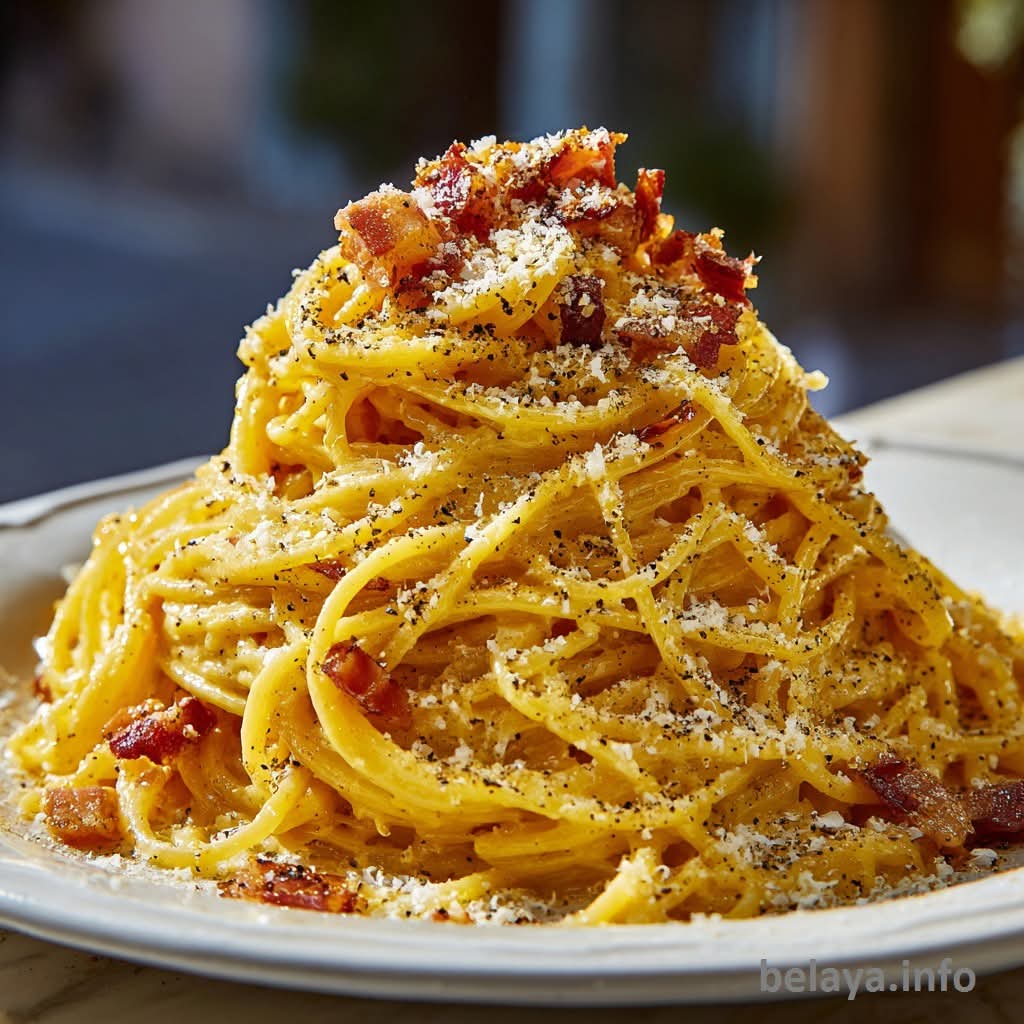
15 Weeknight Italian Meals: Easy Recipes in Under 45 Minutes

15 Weeknight Italian Meals: Easy Recipes in Under 45 Minutes

This post may contain affiliate links, that help support this blog. If you make a purchase through these links, I may earn a commission—at no cost to you. For more information read my disclosure policy.

Weeknight cooking doesn’t need to be complicated to be good. Some of the best Italian meals are built on simple ingredients, cooked well, and brought to the table without overthinking it.

This is the kind of food you make when you want something real—pasta that comes together in one pan, sauces that don’t take all day, and meals that feel comforting without being heavy. It’s not about perfection, it’s about flavor, timing, and knowing a few go-to recipes you can rely on.

Inside this 15 weeknight Italian meals guide, you’ll find a collection of easy weeknight Italian meals—from quick pastas and skillet dinners to cozy baked dishes and fresh, seasonal sides. Everything here is designed to work in real life, with recipes you can make in under 45 minutes and come back to again and again.


Lemon Asparagus Ricciarelle Pasta

Light, fresh, and full of spring flavors! This Lemon Asparagus Pasta features tender sautéed asparagus, bright lemon sauce, and Parmesan, perfect for an easy weeknight dinner or elegant spring meal.

GO TO RECIPE

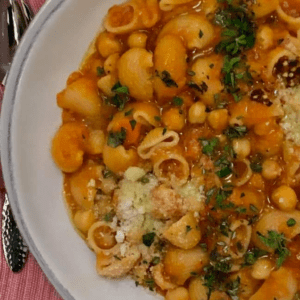
One-Pot Creamy Zucchini Pasta (Pasta e Zucchini)

This one-pot creamy zucchini pasta is a traditional Italian recipe where pasta cooks directly with zucchini, onion, and olive oil, creating a naturally creamy sauce with Parmesan and pasta starch.GO TO RECIPE

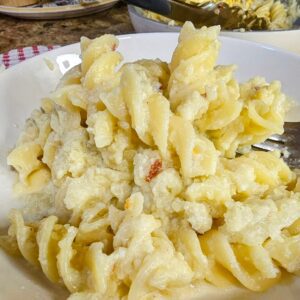
Spicy pasta Norcina  Spicy Italian sausage pasta

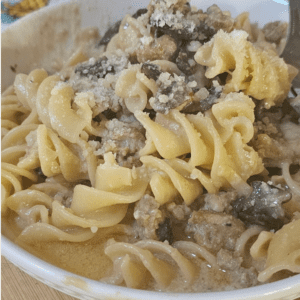
Spicy pasta alla norcina is an Italian pasta dish made with sausage in a creamy cheese sauce. There are different variations, some have mushrooms or different cured meats. The recipe is easy to make and takes about as much time to make as it takes the pasta to cookGO TO RECIPE

Pesto tortellini pasta salad

If you’re looking for the perfect summer pasta salad,  this pesto tortellini pasta Salad is one of my favorites. Full of Mediterranean flavors and hearty enough to be a meal on its own, it’s one of those dishes that always disappears quickly when ever I bring it  to potlucks, or Sunday lunches.GO TO RECIPE

Authentic Italian Pasta e Fagioli

Authentic Pasta e fagioli is a humble, hearty and soul- warming Italian pasta dish that brings back vivid  childhood memories of the smell of simmering beans, tomatoes, and garlic. for many Italian families, pasta e fagioli was the meal that could feed everyone on a tight budget. It’s the ultimate ” cucina povera” dish- poor kitchen.GO TO RECIPE

Air Fryer Parmesan chicken Spiedini

Air fryer parmesan chicken spiedini are Italy’s version of skewers or kabobs. In this spiedini recipe boneless, skinless chicken thighs are marinated in a blend of Italian spices, cooked in the air fryer, and basted with a delicious garlic, parmesan butter sauce.GO TO RECIPE

Chicken Meatballs with marry me orzo

Tender chicken meatballs are always a hit at the dinner table, and when you pair them with creamy Marry Me Orzo, you’ve got the ultimate comfort meal. This dish brings together juicy baked chicken meatballs and orzo pasta simmered in a rich Parmesan and sun-dried tomato cream sauce. It’s the kind of meal that feels special enough for date night yet easy enough for a weeknight family dinner.GO TO RECIPE

Pollo al Limone Italian lemon chicken

Lemons are in peak season right now, and there’s no better way to celebrate their bright, zesty flavor than with this Italian Lemon Chicken. Known as Pollo al Limone, this dish is simple, rustic, and full of Southern Italian charm. With a golden sear, a light pan sauce, and a fresh lemon-parsley drizzle, it’s the kind of meal that tastes like summer.GO TO RECIPE

Best cod Francese Recipe- in 30 minutes

Best Cod Francese Recipe – in 30 Minutes is a lightly battered, pan-fried cod fillet in an elegant lemon, butter and  white wine sauce. It’s similar to chicken piccata—but without the capers and with a velvety, lemon-butter sauce that clings to the golden crust. Cod Francese is a classic restaurant-style dish that’s surprisingly simple to make at home. The hallmark is the light coating of flour and egg that gives the fish a delicate, crisp texture—perfect for soaking up that tangy, buttery sauce.GO TO RECIPE

Shrimp spaghetti with basil tomato sauce

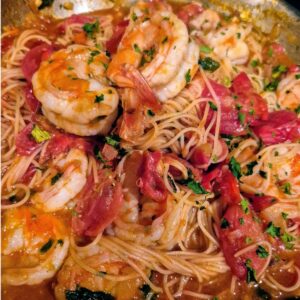
This Shrimp Spaghetti with Tomato Basil Sauce is a simple, fresh pasta dish made with sautéed shrimp, juicy summer tomatoes, garlic, and plenty of fragrant basil. The sauce is created right in the pan by combining the tomato juices with starchy pasta water and a generous handful of grated parmesan, giving you a light  flavorful coating that clings to the pasta.GO TO RECIPE https://lorianasheacooks.com/shrimp-tomato-basil-spaghetti/

Authentic Italian shrimp oreganata

Crispy, garlicky, and straight out of an Italian kitchen.
This shrimp oreganata is all about simple ingredients—olive oil, lemon, breadcrumbs, and a heavy hand with oregano—baked until golden and perfect for scooping with bread.

It’s fast, it’s bold, and it tastes like something you’d order at your favorite spot… but better at home.

GO TO RECIPE

Crispy pan fried chicken cutlets

These crispy breaded chicken cutlet recipe are pan fried and they were a staple in my  childhood growing up  and in many Italian kitchens. They ae  juicy, crispy delicious and so easy to make. Serve the cutlets along side a salad for a light lunch or dinner.GO TO RECIPE

The Best Italian-Style Fried Calamari

Golden, crispy, and impossible to stop eating.
This Italian-style fried calamari is light, crunchy, and finished with lemon and a pinch of salt—just the way it should be. No heavy batter, no fuss—just fresh squid, a quick fry, and that perfect crisp.

Serve it hot with marinara or straight up with lemon… either way, it’s gone in minutes.

GO TO RECIPE

Braised Fennel Oreganata with Pancetta

Braised fennel oreganata with pancetta is one of those simple Italian side dishes that feels both rustic and elegant — the kind of recipe that tastes like it came out of a cozy countryside kitchen. Fennel is one of my favorite seasonal ingredients to cook with this time of year. When it’s in season, it’s sweet, aromatic, and incredibly versatile, and I love finding ways to let its natural flavor shine.

GO TO RECIPE

One pan orzo with summer vegetables

Some meals just feel easy—especially when they come together in one pan. This one-pan orzo with summer vegetables is one of those simple, feel-good recipes that checks all the boxes: quick to make, minimal cleanup, and full of fresh summer flavor.GO TO RECIPE

At the end of the day, weeknight cooking should feel manageable—not like a project. These are the kinds of Italian meals you can lean on when you want something good without spending hours in the kitchen. Simple ingredients, a few solid techniques, and recipes that actually work on a busy night.

Whether it’s a quick pasta, a one-pan skillet, or something baked and cozy, this is the kind of cooking that becomes part of your routine—the meals you make without thinking twice, and the ones everyone looks forward to.

Save this guide so you always have a go-to list of easy weeknight Italian meals.

Pick a recipe to try this week, and come back when you need something new. For more simple, flavorful Italian recipes, explore the blog and find your next favorite.


Anelletti al Forno: Authentic Sicilian Baked Pasta Recipe

Anelletti al Forno: Authentic Sicilian Baked Pasta Recipe

This post may contain affiliate links, that help support this blog. If you make a purchase through these links, I may earn a commission—at no cost to you. For more information read my disclosure policy.

If there’s one dish that captures the heart of Sicilian home cooking, it’s Anelletti al Forno. Made with tiny ring-shaped pasta, a rich ragù, sweet peas, and melty cheese, this baked pasta is as nostalgic as it is satisfying.

Unlike your typical baked ziti, this dish is layered and compact—almost like a pasta pie—meant to be sliced and served. It’s the kind of recipe that shows up at holidays, Sunday dinners, and special occasions, bringing everyone to the table.

What makes it truly special is the balance of flavors and textures: tender pasta, savory meat sauce, pops of sweetness from peas, and that golden, breadcrumb topping. It’s rustic, it’s hearty, and it’s pure Italian comfort.


Things to know about this Anelletti al Forno: Authentic Sicilian Baked Pasta Recipe

  • Undercook your pasta slightly—this keeps it from getting mushy as it bakes.
  • Let it rest before slicing—this is key for that signature “pasta cake” structure.
  • Breadcrumbs matter—they give you that classic crisp Sicilian top layer.
  • You can swap in caciocavallo or pecorino for a more traditional flavor.
  • This dish is even better the next day, making it perfect for prepping ahead.
  • Storage

    • Refrigerator: 3–4 days in airtight container
    • Freezer: 2–3 months; slice before freezing for easy portions. Reheat in oven at 350°F

For Anelletti al forno, the ideal pan is:


Anelletti al Forno: Authentic Sicilian Baked Pasta Recipe

A traditional Sicilian baked pasta made with anelletti, rich meat sauce, peas, and cheese—this Anelletti al Forno is the ultimate comforting, sliceable pasta dish perfect for gatherings.

  • 1 Lbs. Anelletti (small ring pasta)
  • 3 Tbsp 0live oil
  • 1 cup onion (chopped)
  • 1/2 Lb. Ground beef
  • 1/2 Lb. Ground pork (or Italian sausage)
  • 2 cups peas
  • 2 cups sauce
  • 2 Tbsp. Tomato paste
  • 1 cup water
  • 1/2 cup red wine
  • 1 cup grated parmesan
  • 2 cups Diced mozzarella
  • 1 cup grated breadcrumbs
  1. Cook pasta until just shy of al dente. Drain.

  2. Make sauce: sauté onion in olive oil → add meat, brown → deglaze with wine → stir in tomato paste + marinara → simmer 30 minutes

  3. Stir in peas, season to taste.

  4. Mix pasta with sauce, grated cheese, and mozzarella.

  5. Assemble:

    Grease a 9×13-inch (23×33 cm) rectangular baking dish or a 9-inch (23 cm) round springform pan for a sliceable “pasta cake. Sprinkle a layer of breadcrumbs, add pasta mixture, top with more breadcrumbs + cheese.

  6. Bake at 375°F for 50–60 minutes until golden and bubbling.

  7. Rest 10–15 min before slicing to hold shape.

Main Course
Italian
Anelletti, baked, Silician


Lemon Asparagus Ricciarelle Pasta

Lemon Asparagus Ricciarelle Pasta

This post may contain affiliate links, that help support this blog. If you make a purchase through these links, I may earn a commission—at no cost to you. For more information read my disclosure policy.

Spring is all about fresh, vibrant flavors, and nothing says “springtime on a plate” quite like this Lemon Asparagus Ricciarelle Pasta. The curly, ribbon-like ricciarelle pasta holds onto every bit of the zesty lemon sauce, while the sautéed asparagus adds tender-crisp bites.

To elevate the dish, we puree half of the asparagus to create a silky sauce that clings to the pasta, giving each bite a luxurious texture without adding cream. It’s simple, bright, and elegant—perfect for a weeknight dinner or a light spring gathering.

Whether cooking for your family, hosting friends, or craving something fresh for yourself, this pasta is a seasonal star. Pair it with a crisp white wine or a simple green salad, and you’ve got a meal that feels indulgent yet effortless.


Things to know about this Lemon Asparagus Ricciarelle Pasta

  • Pureeing half the asparagus: This creates a silky, smooth sauce that coats the pasta while still giving you tender asparagus bites.
  • Cream optional: Pureeing the asparagus gives a creamy texture naturally; cream is only needed if you want it extra rich.
  • Leftovers: Store in an airtight container in the fridge for up to 2 days. Reheat gently with a splash of olive oil or water.
  • Pasta variations: While ricciarelle is ideal for holding the sauce, you can experiment with other short, ridged, or twisted pasta like cavatelli, fusilli, or campanelle. Each shape will change how the sauce clings and the overall bite of the dish.
  • Flavor variations: Add a pinch of red pepper flakes for heat, or mix in toasted pine nuts for crunch.

Love this recipe? Explore more spring-inspired pasta dishes on the blog! Try my Asparagus, pancetta and lemon lasagna for another light and vibrant spring time meal, or check out my one pot creamy zucchini pasta  for a delicious quick meal that uses few ingredients.

Sign up for my newsletter to get seasonal recipes, kitchen tips, and cooking inspiration delivered straight to your inbox!


Lemon Asparagus Ricciarelle Pasta

Light, fresh, and full of spring flavors! This Lemon Asparagus Ricciarelle Pasta features tender sautéed asparagus, bright lemon sauce, and Parmesan, perfect for an easy weeknight dinner or elegant spring meal.

  • 12 0z. Ricciarelle pasta (Use any shape pasta)
  • 1 Lb. Asparagus (trimmed and cut into 2-inch pieces)
  • 4 Tbsp. olive oil
  • 2 gloves garlic (minced)
  • 1 Tbsp. lemon rind
  • 1/3 cup lemon juice (from 1 lemon)
  • 1/2 cup Parmesan cheese (grated)
  • 1 cup pasta water (reserve before draining, always same more than recipe calls for )
  • 1/3 cup Italian parsley (chopped)
  • salt and pepper (to taste)
  1. Cook the pasta:Bring a large pot of salted water to a boil. Cook the ricciarelle pasta according to package instructions. Drain, reserving 2 cups of pasta water.

  2. Sauté the asparagus: Heat olive oil in a large skillet over medium heat. Add asparagus and sauté for 4–5 minutes until tender-crisp. Add garlic during the last minute.

  3. Puree half the asparagus: Transfer half of the sautéed asparagus to a blender or food processor and puree until smooth. Return the puree to the skillet with the remaining whole asparagus.

  4. Make the sauce: Lower the heat, then add lemon zest, lemon juice, and Parmesan to the skillet. Stir in the cooked pasta. If using cream, add now. Toss everything together, adding reserved pasta water a little at a time until the sauce reaches your desired consistency.

  5. Season and serve: Taste and season with salt and pepper. Serve immediately, garnished with fresh parsley and extra Parmesan if desired.

Main Course
Italian
Asparagus Italian, pasta


Asparagus, Prosciutto & Lemon Béchamel Lasagna

Asparagus, Proscuitto & Lemon Béchamel Lasagna

This post may contain affiliate links, that help support this blog. If you make a purchase through these links, I may earn a commission—at no cost to you. For more information read my disclosure policy.

There’s something about spring that makes me want to put away the heavy red sauce and cook a little lighter—but not boring. This asparagus lasagna is exactly that. Layers of tender pasta, a silky lemon béchamel, and a ricotta filling that actually holds its shape when you slice into it.

I used store-bought lasagna noodles that needed to be boiled first, and honestly, it’s worth the extra step. You get better texture, cleaner layers, and a more traditional feel than the no-boil kind.

It’s the kind of dish that feels like it came out of a small kitchen somewhere in Northern Italy—simple, seasonal, and just indulgent enough. And yes, it’s a showstopper, but it’s also one of those recipes you’ll realize is way easier than it looks.


Things to know about this Asparagus, Prosciutto & Lemon Béchamel Lasagna

  • Use the right noodles
    I used classic store-bought lasagna sheets that require boiling. Cook them just to al dente—they’ll finish in the oven and give you the best texture. And the right size pan 
  • Blanch your asparagus
    This keeps it bright green and prevents excess water from ruining your layers.
  • Dry everything well
    Moisture is the enemy of a clean slice.
  • Your béchamel matters
    It should be smooth and pourable—not thick like paste.
  • The ricotta mixture is key
    Adding egg + Parmigiano-Reggiano + parsley gives you structure and that bakery-style finish.
  • Don’t over-layer
    Thin, even layers = better texture and cleaner cuts.
  • Let it rest
    15–20 minutes makes all the difference between messy and perfect.
  • If you love recipes like this that feel a little elevated but are still completely doable at home, you’ll want to try my Italian Sunday Sauce with meatballs and my Italian Meatloaf with roasted potatoes—both are staples that instantly upgrade simple ingredients.


Asparagus, Prosciutto, & Lemon Béchamel Lasagna

Creamy asparagus lasagna made with silky lemon béchamel, pancetta, and layers of tender pasta—no red sauce, just a rich, spring-inspired twist on classic comfort food.

  • 4 Tbsp. butter (for the Béchamel sauce )
  • 4 Tbsp. flour (for the Béchamel sauce )
  • 3 cups milk (warmed for the Béchamel sauce )
  • 1 Tbsp. lemon zest (for the Béchamel sauce )
  • Salt and pepper (to taste)
  • 9 lasagna Sheets (Store bought or homemade)
  • 1 bunch asparagus (For the filling)
  • 4 oz. prosciutto (For the filling)
  • 2 cups ricotta (For the filling)
  • 1 egg (For the filling)
  • 1/2 cup Grated parmesan cheese (For the filling)
  • 2 Tbsp. chopped Italian parsley (For the filling)
  1. 1. Par boil the lasagna noodles . Let dry on tea towels

  2. 2. Prep the asparagus Blanch in salted water for 2–3 minutes → transfer to ice water → drain very well and pat dry. Cut into 2-inch pieces.

  3. 3. Cook the proscuitto Render in a pan until crispy. Remove and set aside.

  4. 3. Make the béchamel

    👉 Should be silky and pourable—not thick and heavy

    Melt butter, whisk in flour (1–2 minutes, no browning)Slowly whisk in warm milk. Simmer until smooth and coats the back of a spoon Stir in salt, pepper, and lemon zest.

  5. 4. Make the ricotta layer In a bowl, mix:

    Ricotta1 egg Grated Parmigiano-Chopped parsley Pinch of salt + pepper

  6. 5. Assemble

    Layer in this order:

    Thin layer of béchamel

    Lasagna sheets

    Béchamel

    Ricotta mixture (spread lightly)

    Asparagus + pancetta

    Repeat layers 2–3 times.

    Finish with Lasagna noodle béchamel + extra parmesan cheese

  7. 6. Bake 375°F for 1 hour or until golden on top and bubbling at the edges

  8. 7. Rest (don’t skip) Let sit 15–20 minutes before slicing

    👉 This is the difference between:

    messy scoop to clean, perfect slices

Main Course
Italian
Italian asapargus, lasagna


One-Pot Creamy Zucchini Pasta (Pasta e Zucchini)

One-Pot Creamy Zucchini Pasta (Pasta e Zucchini)This post may contain affiliate links, that help support this blog. If you make a purchase through these links, I may earn a commission—at no cost to you. For more information read my disclosure policy.

This creamy zucchini pasta is made the same way many Italian home cooks prepare pasta with peas—everything cooks together in one pot.

The zucchini slowly soften with onion and olive oil, then the pasta cooks directly in the same pot with water or broth. As the pasta releases its starch, the sauce becomes naturally creamy without adding any cream.

It’s simple, comforting, and exactly the kind of rustic dish you’ll find in Italian kitchens during zucchini season.

With minimal ingredients and just one pot, it’s the perfect weeknight pasta.


things to know about this One-Pot Creamy Zucchini Pasta (Pasta e Zucchini ) recipe

Cut the zucchini small
Dicing the zucchini into small cubes helps them soften and melt into the sauce.

The pasta water
The starch from the pasta water is what helps create the creamy texture without adding cream.

Don’t rush the zucchini
Letting them cook slowly allows them to soften and develop flavor.


Storage

Store leftover zucchini pasta in an airtight container in the refrigerator for up to 3 days.

Reheat gently in a skillet with a splash of water or broth to loosen the sauce.


More Italian Pasta Recipes

If you love simple Italian pasta dishes, you might also enjoy:

These recipes use the same philosophy of Italian cooking—simple ingredients, cooked well.

Final Thoughts

Creamy zucchini pasta proves that you don’t need complicated ingredients to make something delicious. With a few zucchini, olive oil, onion, and pasta, you get a comforting Italian dish that feels both rustic and elegant.

Perfect for busy weeknights or when your garden is overflowing with zucchini.


One-Pot Creamy Zucchini Pasta (Pasta e Zucchini )

This one-pot creamy zucchini pasta is a traditional Italian recipe where pasta cooks directly with zucchini, onion, and olive oil, creating a naturally creamy sauce with Parmesan and pasta starch.

  • 12 0z. small pasta (ditalini, small shells, or broken spaghetti)
  • 3 medium zucchini (small dice)
  • 1 small onion (chopped)
  • 3 Tbsp. olive oil (extra virgin)
  • 3 cups water or light broth
  • 1 cup grated parmesan
  • 1/2 cup Italian parsley (chopped)
  • salt and pepper to taste
  1. 1. Sauté the base

    In a large pot or deep skillet, heat the olive oil over medium heat.

    Add the chopped onion and cook until soft and translucent, about 4–5 minutes.

    Add the diced zucchini, season with salt and black pepper, and cook for 5–6 minutes until they begin to soften.

  2. 2. Add the pasta

    Add the dry pasta directly to the pot.

    Pour in about 3½ cups water or broth, just enough to cover the pasta.

    Bring to a gentle simmer.

  3. 3. Cook everything together

    Cook the pasta, stirring occasionally so it doesn’t stick.

    As the pasta cooks, the liquid will reduce and the starch will create a creamy sauce.

    If needed, add a little more water as it cooks.

    This should take about 10–12 minutes, depending on the pasta.

  4. 4. Finish the pasta

    When the pasta is tender and the sauce is creamy, remove from heat.

    Stir in the grated Parmesan cheese until the pasta becomes silky and coated.

    Taste and adjust seasoning.

  5. 5. Serve

    Serve hot with extra Parmesan and parsley if desired.

Main Course
Italian
pasta Italian zucchini


Traditional Southern Italian Cavatelli

Traditional Southern Italian Cavatelli

What Are Cavatelli?

Cavatelli are small shell-shaped pasta traditionally made with semolina flour and water. The name comes from the Italian word cavato, meaning “hollowed.”

Unlike northern egg pastas, Southern Italian pasta is typically made without eggs because semolina wheat was abundant and durable in warmer climates. That’s why this dough is simple — and perfect.

There’s something sacred about making pasta by hand. before mixers. before attachments. before shortcuts. it was   just semolina flour, warm water, and your hands.

Cavatelli are one of the oldest and most beloved pastas from Southern Italy. They’re small, rustic, slightly chewy, and designed to catch sauce in that beautiful little hollow. In many Southern Italian homes, this wasn’t “fancy Sunday pasta.” This was everyday pasta — made on a wooden board, shaped with two fingers, and served with whatever was growing or simmering nearby. No eggs. No fuss. Just tradition.

And once you make them once, you’ll never be intimidated again.

Things o know about this Traditional Southern Italian Cavatelli recipe

Good to Know

  • Fresh cavatelli freeze beautifully. Freeze on a tray first, then transfer to a bag. Cook from frozen — do not thaw.

  • This pasta is meant to be slightly chewy (al dente), not soft like egg noodles.

  • If your pasta feels too dense, your dough may have been too dry.

  • If it falls apart, it may have had too much water.


How to Serve Cavatelli

Cavatelli pair beautifully with:

  • Broccoli or broccoli rabe

  • Italian sausage

  • Simple tomato sauce

  • Garlic and olive oil

  • Butter and sage

One of the most classic pairings is:
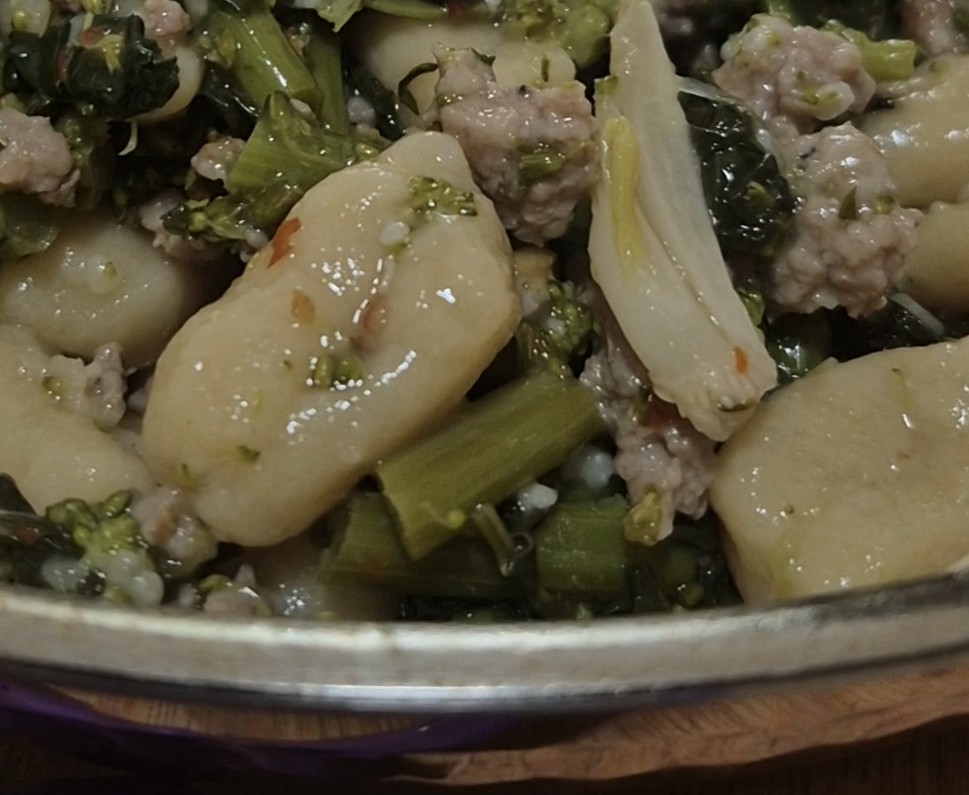
Cavatelli e Broccoli — a Southern Italian staple.

Now that you’ve mastered homemade cavatelli, it’s time to put them to work.

Make a full Southern Italian classic with my Cavatelli with Broccoli Rabe & Italian Sausage (link to that post), or keep it simple with a rustic  cacio and pepe Pasta

If you love traditional pasta recipes, don’t miss my Lasagna Bolognese  and Authentic fettuccine alfredo (no cream) for more authentic Italian cooking inspiration.

Cook it. Taste it. Make it your own.

And if you make this recipe, leave a comment and tell me how your cavatelli turned out — I read every one.

Traditional Southern Italian Cavatelli

Servings

This recipe makes:

  • 4 generous servings as a main dish

  • 6 servings as a first course

  • Approximately 1 pound of fresh pasta


Ingredients

  • 2 cups fine semolina flour (semola rimacinata preferred)

  • ¾–1 cup warm water

  • Pinch of salt (optional)

That’s it.

Instructions

  1. How to Make Cavatelli Dough

    1. Form the Dough

    Place the semolina flour on a wooden board or in a large bowl. Make a well in the center.

    Slowly add warm water while mixing with a fork or your fingers until a shaggy dough forms.

    2. Knead

    Knead for 8–10 minutes until smooth and firm.

    The texture should feel like:

    • Firm play-dough

    • Smooth but not sticky

    • Elastic but not soft

If too dry → add a few drops of water.
If sticky → dust lightly with semolina.

  3. Rest

  Cover with plastic wrap or a towel and let rest 20–   30 minutes.

  Resting relaxes the gluten and makes shaping easier.


How to Shape Cavatelli

Cut off a portion of dough. Keep the rest covered.

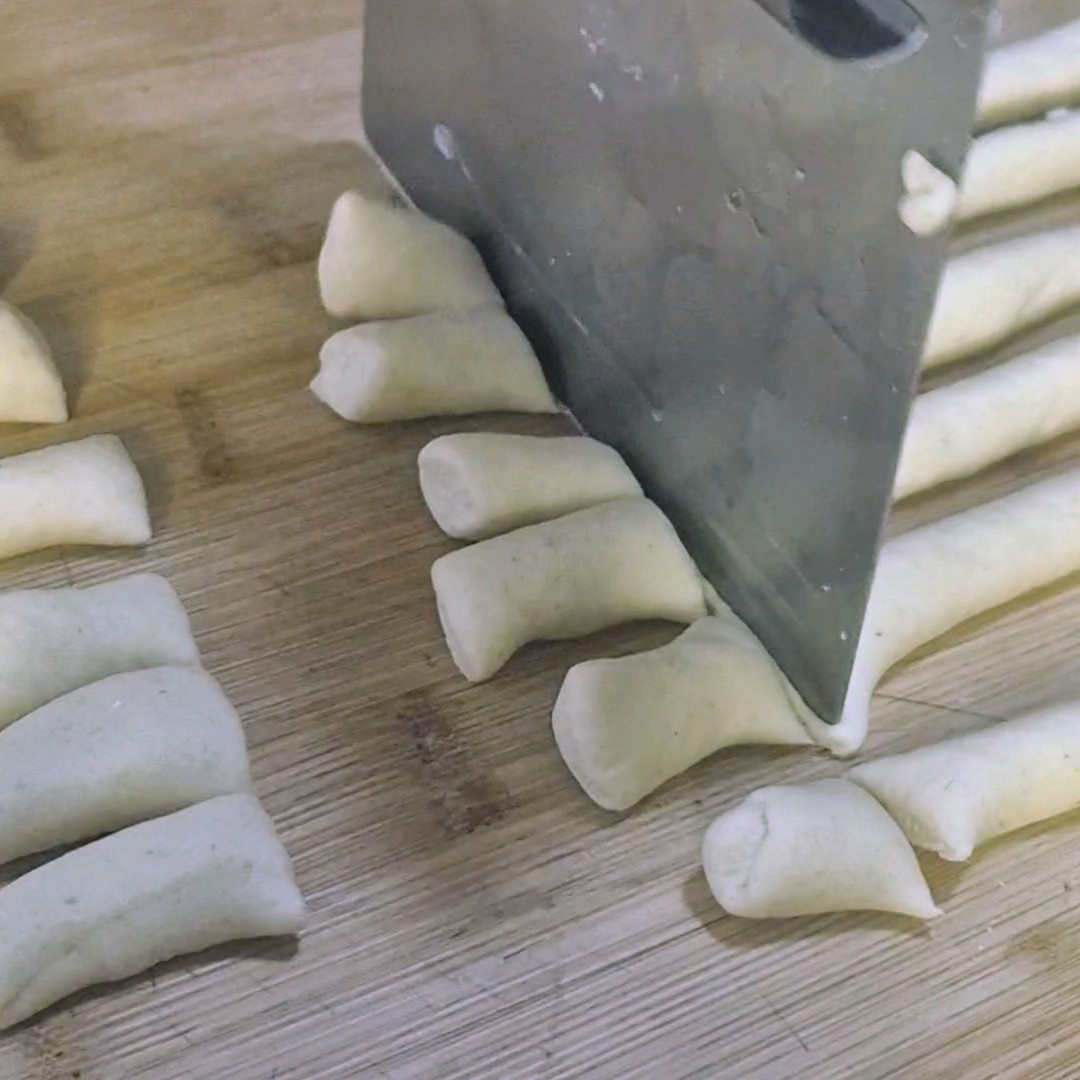
Roll into a rope about ½-inch thick.

Cut into ½-inch pieces.

Using two fingers, press and drag the dough toward you to create the hollow center.

You can:

  • Leave them smooth (very traditional)

  • Use a gnocchi board for ridges

Lightly dust with semolina as you work.


How to Cook Fresh Cavatelli

Bring a large pot of heavily salted water to a boil.

Add pasta and cook:

  • 4–6 minutes total

  • They will float early, but continue cooking until tender

Always taste one before draining.

An easy, traditional way to serve cavatelli is simple, rustic, and full of flavor — just like it’s done in Southern Italy. Here’s a classic you’ll love 👇

🥬 Cavatelli with Broccoli & Garlic (Cavatelli e Broccoli)

Ingredients

  • 1 lb cavatelli pasta

  • 1 large head broccoli (cut into small florets)

  • 3–4 cloves garlic, sliced

  • ¼–½ tsp red pepper flakes

  • ⅓ cup extra virgin olive oil

  • Salt

  • Freshly grated Pecorino Romano

  • Optional: Italian sausage (sweet or hot)

  • Instructions

    1. Boil the pasta
      Bring a large pot of salted water to a boil. Add the broccoli first and cook 3–4 minutes.
      Add the cavatelli to the same pot and cook until al dente. Reserve ½ cup pasta water before draining.

    2. Sauté the garlic
      In a large skillet, heat olive oil over medium-low. Add sliced garlic and red pepper flakes. Cook until fragrant and lightly golden — don’t burn it.

    3. Combine
      Add drained pasta and broccoli to the skillet. Toss well. Add a splash of reserved pasta water to help create a light sauce.

    4. Finish
      Taste for salt. Top with freshly grated Pecorino Romano and a drizzle of olive oil.


Authentic Fettuccine Alfredo (No Cream )

Authentic Fettuccine Alfredo (No Cream )

If you grew up in America, you probably think Alfredo sauce means heavy cream, garlic, and maybe even chicken. But authentic Fettuccine Alfredo is something entirely different.

This iconic Roman pasta was created in the early 1900s by Alfredo di Lelio in Rome. And the original version? Just butter, Parmigiano Reggiano, fresh fettuccine, and pasta water. No cream. No flour. No garlic.

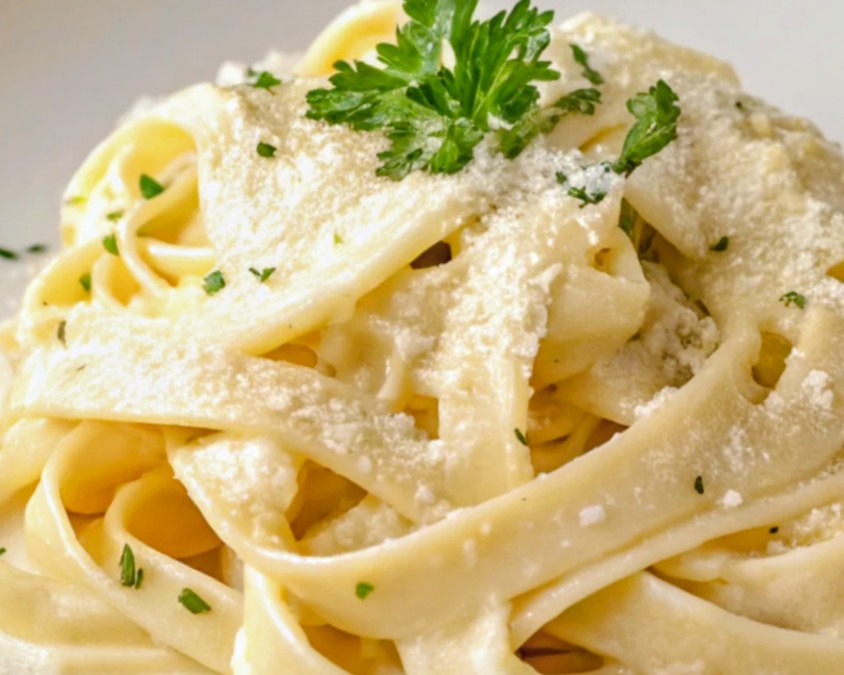
When made properly, the  Alfredo sauce becomes naturally creamy and glossy from the emulsion of butter, cheese, and starchy pasta water. It’s simple—but technique matters.

Let me show you exactly how to make it the authentic way.


Things to know about this Authentic Fettuccine Alfredo (No Cream )

Pro Tips for Perfect Alfredo

  • Use freshly grated Parmigiano Reggiano. Pre-shredded cheese will not melt properly.

  • Keep heat low to prevent the cheese from clumping.

  • Toss constantly—movement creates the emulsion.

  • If sauce thickens too much, add another splash of hot pasta water.


What Makes This Different from American Alfredo?

American versions typically include heavy cream and sometimes garlic.

The original Roman version relies entirely on technique and high-quality ingredients. The creaminess comes from the emulsion—not dairy overload.

Simple ingredients. Perfect execution.

Storage

This pasta is best served immediately.

If needed:

  • Store leftovers in an airtight container up to 2 days.

  • Reheat gently with a splash of water over very low heat.

Freezing is not recommended, as the sauce can separate.

Ready to Make Real Fettuccine Alfredo?

Now you know — authentic Alfredo doesn’t need cream. Just quality ingredients, proper technique, and a little confidence.

If you make this recipe, I’d love to hear how it turned out. Leave a comment below and let me know — and don’t forget to tag me on Instagram so I can see your pasta creations!

If you loved this recipe, you might also enjoy:

Homemade Fresh Fettuccine
Cacio e Pepe
Sunday Sauce with Meatballs

Be sure to bookmark LorianasheaCooks.com for more authentic Italian recipes made the traditional way.

Buon appetito 🇮🇹✨


Authentic Fettuccine Alfredo ( no cream)

Servings

4 servings

Time

Prep Time: 5 minutes
Cook Time: 12–15 minutes
Total Time: 20 minutes


Ingredients

  • 1 pound (16 oz) fresh fettuccine (or high-quality dried fettuccine)

  • 8 tablespoons (1 stick / 113g) unsalted butter, room temperature

  • 1 ½ cups (150g) freshly grated Parmigiano Reggiano

  • 2 Teaspoon  fine sea salt (for pasta water, plus more as needed)

  • ½ teaspoon freshly cracked black pepper (optional, traditional in Rome)

    Instructions

    Step 1: Boil the Pasta

    1. Bring a large pot of water to a rolling boil.

    2. Add salt — the water should taste like the sea.

    3. Cook the fettuccine until al dente (usually 1–2 minutes less than package instructions if using dried).

    👉 Before draining, reserve 1½ cups of pasta water.

    Step 2: Prepare the Butter Base

    1. Place the room temperature butter in a large serving bowl or wide sauté pan.

    2. Add a few tablespoons of hot pasta water to the butter.

    3. Stir gently until the butter melts and forms a creamy base.

    Keep heat very low if using a pan — do not brown the butter.

    Step 3: Add the Pasta

    1. Transfer the hot pasta directly into the butter mixture.

    2. Toss gently to coat the noodles.


    Step 4: Add the Cheese

    1. Sprinkle in the freshly grated Parmigiano Reggiano gradually while tossing continuously.

    2. Add pasta water a tablespoon at a time as needed.

    This is the key:
    The starch in the water binds the butter and cheese together, creating a smooth, silky sauce.

    Keep tossing until glossy and creamy. The sauce should cling to the pasta—not pool at the bottom.

    Step 5: Finish

    Authentic Alfredo waits for no one.


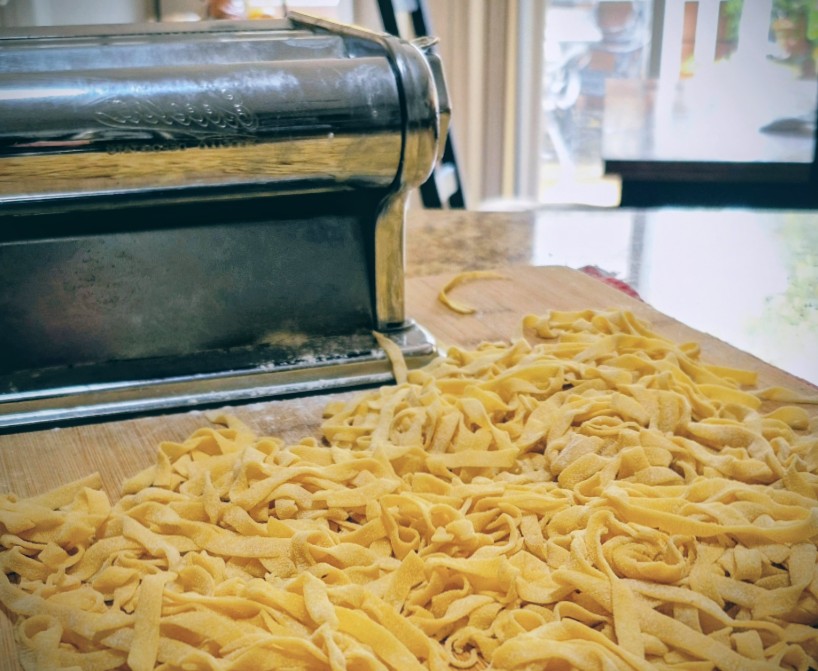
Homemade Fettuccine (Authentic Italian Fresh Pasta)

Homemade Fettuccine (Authentic Italian Fresh Pasta)

There is nothing like fresh pasta made by hand.

Homemade fettuccine has a texture and flavor you simply cannot get from a box. When made with a blend of semolina and white flour, it has the perfect balance — tender, yet structured enough to hold sauce beautifully.

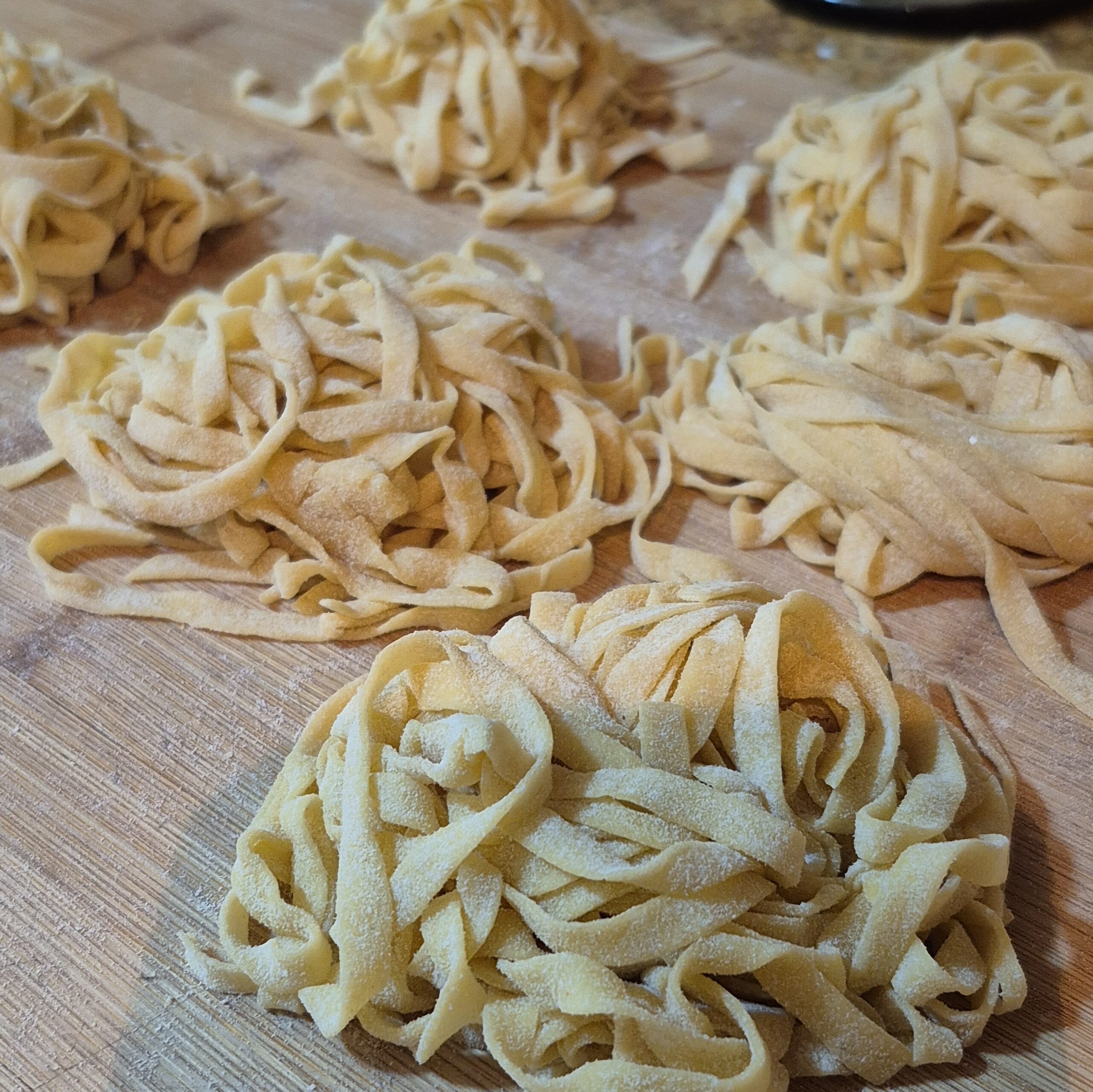
And while we’re cutting this dough into fettuccine today, this recipe is not just for fettuccine. This is a foundational fresh pasta dough that can be used to make tagliatelle, pappardelle, linguine, lasagna sheets, ravioli, and more.

It’s one dough — endless possibilities.

This is traditional Italian fresh pasta. No oil. No shortcuts. Just flour, eggs, and technique.

Once you make it yourself, you’ll understand why Italians treat pasta as something sacred.

Things to know about  Homemade Fettuccine (Authentic Italian Fresh Pasta)

• Fresh pasta cooks much faster than dried pasta — usually in 2–3 minutes. Stay close to the pot.

• The dough should feel firm but pliable. If it’s too soft, it will stick in the pasta machine. If it’s too dry, it will crack when rolled.

• Humidity affects flour. On humid days, you may need slightly more flour. On dry days, the dough may need a tiny bit of moisture.

• Always use freshly grated cheese in your sauces. Pre-shredded cheese won’t melt properly with fresh pasta.

• Fresh pasta pairs best with lighter sauces like authentic Alfredo, butter and sage, or a simple pomodoro — it doesn’t need heavy sauces to shine.

• If your pasta sticks after cutting, dust lightly with semolina and gently toss — don’t pull it apart aggressively.

Why Use Semolina?

Semolina gives fresh pasta:

• Better structure
• Improved sauce grip
• Slight chew
• A more authentic Italian texture

It’s especially perfect for dishes like authentic Fettuccine Alfredo.


Storage

Refrigerate: Up to 24 hours, lightly floured and covered.
Freeze: Form into nests and freeze up to 1 month. Cook directly from frozen.

Ready to Make Fresh Pasta at Home?

If you’ve never made homemade pasta before, let this be your sign. It’s simple, rustic, and incredibly satisfying — and once you taste it, there’s no going back to boxed.

If you make this recipe, I’d love to see it!
Tag me on Instagram and leave a comment below letting me know how it turned out.

And if you loved this recipe, you might also enjoy:

My Sunday Sauce with Meatballs
Italian Beef Stew
Chicken Piccata

More authentic Italian recipes are coming — so be sure to bookmark this page and check back often. 🇮🇹

Buon appetito!

Homemade Fettuccine (Authentic Italian Fresh Pasta)

Servings

4 servings

Time

Prep Time: 30 minutes
Rest Time: 30 minutes
Cook Time: 2–3 minutes
Total Time: 1 hour

Ingredients

    • 1 cup (140g) semolina flour

    • 1 cup (120g) all-purpose flour or Italian “00” flour

    • 3 large eggs, room temperature

    • ½ teaspoon fine sea salt

    For dusting:

    • Additional  flour for dusting

Instructions

  1. Step 1: Make the Dough

    1. On a clean work surface, combine the semolina and white flour.

    2. Form into a mound and create a well in the center.

    3. Crack the eggs into the well.

    4. Add the salt.

    Using a fork, gently beat the eggs, slowly incorporating flour from the inside of the well.

    When the mixture becomes thick, use your hands to bring it together into a shaggy dough.

    Step 2: Knead

    Knead the dough for 8–10 minutes.

    Push it forward with the heel of your hand, fold it over, rotate, and repeat.

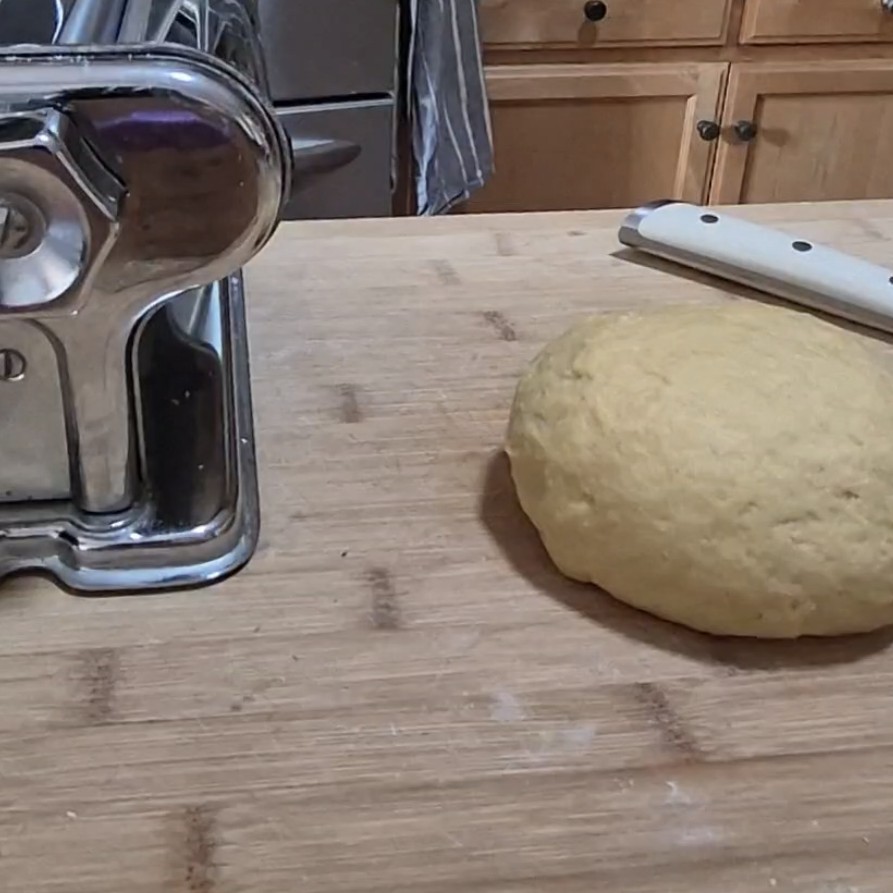
    The dough should become smooth, firm, and elastic. Semolina makes it slightly firmer than all-white flour dough — this is normal.

    If sticky, sprinkle lightly with flour.
    If dry, dampen your hands slightly and continue kneading.

    Step 3: Rest

    Wrap the dough tightly in plastic wrap.
    Let it rest at room temperature for 30 minutes.

    This relaxes the gluten and makes rolling much easier.


    Step 4: Roll the Pasta (Hand Pasta Machine Method)

    Divide the dough into 4 equal pieces. Keep unused pieces wrapped.

    1. Set your hand pasta machine to the widest setting (usually #0 or #1).

    2. Flatten one piece of dough and feed it through while turning the handle steadily.

    3. Fold the dough into thirds and pass it through the widest setting again. Repeat 2–3 times.

      4. Now begin reducing the thickness:

      5. Pass once through each setting until you reach setting 5 or 6.

    The sheet should be thin but not tearing.

    6. Lightly dust with flour as needed to prevent sticking.

    Step 5: Cut the Fettuccine

    1. Attach the fettuccine cutter to your pasta machine.

    2. Lightly dust the pasta sheet with semolina.

    3. Feed it through the cutter attachment while turning the handle steadily.

    4. Catch the noodles and gently separate them.

    Lay them in small nests or on a lightly floured surface.

    Let rest for 10–15 minutes before cooking.


    Step 6: Cook

    Bring a large pot of well-salted water to a rolling boil.

    Add fresh fettuccine and cook for 2–3 minutes.

    Fresh pasta cooks quickly — it should be tender but still slightly firm.

    Reserve pasta water for your sauce.


Italian Crespelle with Parmigiano in Beef Broth

Italian Crespelle with Parmigiano in Beef Broth

This post may contain affiliate links, that help support this blog. If you make a purchase through these links, I may earn a commission—at no cost to you. For more information read my disclosure policy.

This is a traditional primo piatto made with paper-thin crespelle, a light filling of Parmigiano Reggiano, and very hot broth. When done right, it tastes comforting and simple, never heavy.

In older homes, especially in Emilia‑Romagna and central Italy, crespelle were treated like fresh pasta sheets. The batter was lean. The filling was minimal. All the richness came from the broth.

For this version, I use homemade beef bone broth made with neck bones and beef shank. It gives the dish body, clarity, and natural gelatin without needing butter or cream.

What Are Crespelle?

Crespelle are Italian crêpes, but they are not sweet. They are thinner and more delicate than breakfast crêpes and are used the same way Italians use fresh pasta.

When served in brodo, crespelle are filled lightly with Parmigiano and placed in a bowl. Hot broth is poured over just before serving so the cheese melts gently.


Things to know when making Italian Crespelle with Parmigiano in Beef Broth

  • Crespelle are unsweetened and very thin.
  • Butter is not traditional for crespelle served in broth.
  • Parmigiano should be used sparingly so the broth stays clear.
  • This dish is served as a first course, not a main soup.
  • The quality of the broth matters more than anything else.

Tips for Success

  • Use finely grated Parmigiano so it melts quickly.
  • Do not overfill the crespelle.
  • Warm your bowls before serving.
  • Add salt to the broth only at the end.

A Dish Built on Broth

Crespelle al Parmigiano in brodo is a reminder that Italian cooking values simplicity over excess. When the broth is good, everything else falls into place.

Serve it hot, eat it slowly, and let the dish be what it is.

Make the Broth First

This dish depends entirely on good broth. If you don’t already have some on hand, start there.

👉 [Homemade Beef Bone Broth with Neck Bones and Beef Shank] — a slow-simmered, clear broth that gives this dish its depth, body, and natural richness.

Once the broth is ready, these crespelle come together quickly and simply.

Italian Crespelle with Parmigiano in Beef Broth

Servings: 3–4 (primo piatto)


Crespelle Batter (No Butter)

  • 2 large eggs
  • 1 cup whole milk ((240 ml))
  • 3/4 cup all‑purpose flour ((95 g))
  • Pinch of fine salt
  • For the pan: a lightly oiled paper towel, wiped almost dry

Filling

  1. Make the BatterIn a medium bowl, whisk the eggs and milk until fully combined. Add the flour and salt and whisk until smooth. Let the batter rest at room temperature for 20–30 minutes.
  2. Cook the CrespelleHeat a 8 inch nonstick pan over medium‑low heat. Lightly wipe the surface with oil, then remove any excess.Pour about ¼ cup of batter into the pan and swirl immediately to create a very thin crespella. Cook for 30–40 seconds until set, then flip and cook for another 10–15 seconds.

    Transfer to a plate and repeat with the remaining batter. Stack the crespelle and keep them covered.

  3. AssembleLay one crespella flat and sprinkle lightly with Parmigiano Reggiano. Fold into quarters or roll gently. Place 2–3 crespelle into each warmed bowl.
  4. Serve in BrodoBring the beef bone broth to a gentle boil and taste for salt. Ladle the very hot broth over the crespelle just before serving. Serve immediately.


15 Classic & Italian‑Inspired Pasta Recipes

  15 Classic & Italian‑Inspired Pasta Recipes

Why This Pasta Collection

Pasta has always been at the heart of Italian cooking and at the heart of my kitchen. From humble pantry pastas like pasta e piselli to cozy baked dishes and restaurant‑style favorites, this pillar post brings together 15 of my most popular pasta recipes already on the blog—all in one place for easy browsing.

Use this guide to:

Things to know about 15 Classic & Italian‑Inspired Pasta Recipes

  • Pasta shapes matter: Short pastas work best for baked dishes and chunky sauces, while long pastas shine with smooth or egg‑based sauces like carbonara.
  • Salt your water well: Properly salted pasta water is essential for authentic Italian flavor—this is where the pasta gets seasoned.
  • Sauce meets pasta, not the plate: Always finish cooking pasta in the sauce so the flavors marry together.
  • Traditional doesn’t mean complicated: Many classic Italian pastas use just a handful of ingredients—quality matters more than quantity.
  • Make it your own: These recipes are rooted in tradition but flexible enough for home cooks.