Creamy Cauliflower Pasta with Crispy Pancetta

Creamy Cauliflower Pasta with Crispy Pancetta

This post may contain affiliate links, that help support this blog. If you make a purchase through these links, I may earn a commission—at no cost to you. For more information read my disclosure policy.

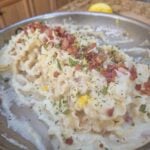
This creamy cauliflower rigatoni is one of those pastas that tastes much more indulgent than it actually is. The cauliflower is cooked until tender and blended into a smooth, velvety sauce with garlic, Parmesan, olive oil, and pasta water.

Then there’s the pancetta. I cook it until golden and crispy, stirring some into the pasta and saving the rest for a crunchy topping. Every bite has that creamy cauliflower sauce with little salty, crispy pieces of pancetta.

It’s simple Italian-inspired comfort food that comes together with just a handful of ingredients.

Why You’ll Love This Cauliflower Pasta

  • Creamy without heavy cream: Puréed cauliflower and pasta water create a silky sauce.
  • Big flavor from simple ingredients: Garlic, Parmesan, olive oil, and crispy pancetta do all the work.
  • Perfect pasta shape: Rigatoni holds onto the creamy sauce and gives you plenty of crispy pancetta in every bite.
  • Easy enough for a weeknight: Most of the prep can be done while the pasta water comes to a boil.


Things to know about this Creamy Cauliflower Pasta with Crispy Pancetta recipe

Don’t skip the pasta water. It helps loosen the cauliflower purée and turns it into a silky sauce that coats the rigatoni instead of sitting heavily on top.

Also, keep some of the pancetta separate until serving. That way you get both the savory flavor throughout the pasta and those crispy little bites on top.

Can I Make This Ahead?

The cauliflower sauce can be made a day ahead and refrigerated in an airtight container. When you’re ready to make the pasta, gently warm the sauce and loosen it with a little pasta water.

For the best texture, cook the rigatoni fresh and make the pancetta just before serving.

Storage

Store leftover pasta in an airtight container in the refrigerator for up to 3 days.

When reheating, add a splash of water or broth and warm gently on the stovetop or in the microwave. The sauce will thicken as it sits, so the added liquid helps bring it back to a creamy consistency.

What to Serve With Cauliflower pasta

This pasta is hearty enough to serve on its own, but it’s also delicious with a simple green salad and some crusty Italian bread.

For a lighter meal, serve it with roasted vegetables or a simple tomato salad.

Good to Know

Can I use frozen cauliflower?
Yes. Frozen cauliflower works well in this recipe. Cook it until very tender before blending.

Can I substitute bacon for pancetta?
You can, although pancetta gives the dish a more traditional Italian flavor.

Can I use spaghetti instead of rigatoni?
Absolutely. Spaghetti works beautifully with the creamy cauliflower sauce. Rigatoni is my favorite because the ridges and tubes hold onto the sauce.

Can I make it without the red pepper flakes?
Yes. Leave them out if you prefer a milder pasta.

Make It Your Own

Want to change things up? Add a handful of sautéed spinach, roasted broccoli, or toasted breadcrumbs. You can also finish the pasta with a little Pecorino Romano instead of Parmesan for a sharper, saltier flavor.

More Italian-Inspired Pasta Recipes

If you love easy pasta dinners, try some of my other Italian-inspired favorites:

Final Thoughts

I love recipes like this because they prove you don’t need a complicated list of ingredients to make a really satisfying pasta dinner. The cauliflower creates the creamy sauce, while the pancetta brings the salty, crispy bite that makes you want to go back for another forkful.

It’s simple, cozy, and very much the kind of pasta I love making at home.


Creamy Cauliflower Pasta with Crispy Pancetta

This creamy cauliflower pasta with crispy pancetta is an easy Italian-inspired dinner made with tender cauliflower blended into a silky sauce with garlic, Parmesan, and olive oil. Tossed with rigatoni and finished with golden, crispy pancetta, this comforting pasta is full of flavor and simple enough for a weeknight meal.

  • 1 lb. your favorite pasta shape
  • 1 medium head cauliflower, cut into florets
  • 4 oz. pancetta, diced
  • 2 cloves garlic, minced
  • 2 Tbsp. extra-virgin olive oil
  • 1/2 cup freshly grated Parmesan cheese
  • 1 tsp red pepper flakes, optional
  • 1–1½ cups pasta water
  • Fresh parsley and lemon zest , for garnish
  • salt and pepper to taste
  1. Cook the pancetta: Add the diced pancetta to a large sauté pan while the pan is still cold. Cook over medium-low heat for 8–10 minutes, stirring occasionally, until golden and crispy. Remove about half and place on a paper towel-lined plate for the topping.

  2. Start the pasta: While the pancetta is cooking, bring a large pot of well-salted water to a boil. Once boiling, add the rigatoni and cook according to the package directions until al dente. Reserve 1½ cups of pasta water before draining.

  3. Cook the cauliflower: Leave the pancetta drippings in the sauté pan. Add the olive oil and cauliflower. Season with salt and black pepper and sauté for 3–4 minutes. Add the garlic and red pepper flakes and cook for another 30 seconds.

  4. Steam the cauliflower: Add ½ cup water or chicken stock to the pan. Cover and cook for 8–10 minutes, or until the cauliflower is very tender and easily pierced with a fork.

  5. Make the cauliflower sauce: Transfer the cooked cauliflower, along with any liquid remaining in the pan, to a blender or food processor. Add the Parmesan and blend until completely smooth. Add reserved pasta water a little at a time until the sauce is silky and creamy.

  6. Bring it together: Return the drained pasta to the sauté pan. Pour the cauliflower sauce over the pasta and half of the pancetta. Toss over low heat, adding more pasta water as needed until the sauce coats the rigatoni.

  7. Finish: Divide among serving bowls and top with the reserved crispy pancetta and freshly grated Parmesan. Garnish with fresh parsley and a little lemon zest, if desired. Serve immediately.

Don’t skip the pasta water. It helps loosen the cauliflower purée and turns it into a silky sauce that coats the pasta instead of sitting heavily on top.

Main Course
Italian
cauliflower pasta with pancetta


Chicken Fettuccine Alfredo Recipe – Italian-American Restaurant Style

Chicken Fettuccine Alfredo Recipe – Italian-American Restaurant Style

This post may contain affiliate links, that help support this blog. If you make a purchase through these links, I may earn a commission—at no cost to you. For more information read my disclosure policy.

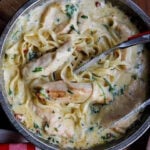
This easy Chicken Fettuccine Alfredo recipe is my Italian-American restaurant version of a classic favorite. Tender, juicy chicken and fettuccine pasta are tossed in a rich, creamy Alfredo sauce for an easy restaurant-style dinner you can make at home in under 30 minutes.

This is the Chicken Fettuccine Alfredo recipe I made in my restaurant. It’s creamy, comforting, and made with simple ingredients, making it perfect for a quick weeknight dinner or a family meal.

I also have an authentic Italian Fettuccine Alfredo recipe on the blog, which is a much simpler preparation. This version is the Italian-American style Alfredo many of us grew up ordering at restaurants—with chicken and a rich, velvety cream sauce. 

Things to Know About This Chicken Fettuccine Alfredo

Deglaze the pan for extra flavor. After cooking the chicken, don’t wipe out the skillet. Those browned bits left behind are packed with flavor. Add the chicken stock and cream to the pan and scrape up all those delicious bits as the sauce comes together.

You can use white wine or chicken stock. I often use white wine when I make this recipe, but chicken stock works beautifully too. Since I don’t drink, I always like to include a non-alcoholic option. The difference is subtle, so use whichever you prefer.

Fresh Parmesan makes a difference. For the smoothest, creamiest Alfredo sauce, use freshly grated Parmesan cheese. Pre-shredded Parmesan doesn’t melt as easily and can leave the sauce grainy.

Don’t overcook the chicken. Chicken breasts cook quickly, especially when sliced or pounded to an even thickness. Cook just until they are done and still juicy, then slice them and add them back to the pasta at the end.

How to Store Chicken Fettuccine Alfredo

Refrigerate: Store leftover Chicken Fettuccine Alfredo in an airtight container in the refrigerator for up to 3 days.

Reheat: Alfredo sauce can thicken as it sits. Reheat leftovers gently in a skillet over low to medium-low heat, adding a splash of milk, cream, or chicken stock to loosen the sauce. Stir occasionally until heated through.

I don’t recommend freezing Alfredo pasta. The cream sauce can separate when thawed and reheated, leaving you with a less creamy texture.

More Easy Italian-Inspired Recipes

If you enjoyed this Chicken Fettuccine Alfredo, here are a few more of my easy pasta recipes you might enjoy:

30-Minute Broccolini and Sausage Orecchiette – A quick and flavorful pasta dinner made with Italian sausage and broccolini.

Pasta alla Norcina – One of my restaurant favorites, this creamy Umbrian pasta is made with Italian sausage and a rich, savory sauce.

Pasta Aglio e Olio – One of the simplest Italian pasta dishes, made with spaghetti, garlic, olive oil, and a little heat.

Authentic Fettuccine Alfredo – Looking for the Italian version? This is my simpler, traditional Fettuccine Alfredo recipe.

Chicken Marsala – Another restaurant favorite from my kitchen, with tender chicken in a savory Marsala sauce.

If you love easy Italian-inspired meals that don’t require a long list of ingredients, browse more of my easy pasta recipes and find your next dinner. 

Chicken Fettuccine Alfredo Recipe – Italian-American Restaurant Style

This Chicken Fettuccine Alfredo is my Italian-American restaurant recipe made with tender chicken, fettuccine, and a rich, creamy Parmesan Alfredo sauce. It comes together in about 30 minutes for an easy weeknight dinner that tastes like a restaurant favorite.

  • 12 oz fettuccine
  • 2 boneless, skinless chicken breasts, cut into bite-sized pieces
  • Salt and freshly ground black pepper, to taste
  • 2 tbsp olive oil
  • 2 tbsp unsalted butter
  • ½ cup medium onion, finely diced
  • 3 cloves garlic, minced
  • 1 cup chicken broth
  • 1 cup heavy cream
  • 1 cup freshly grated pecorino Romano or Parmesan cheese
  • ½ cup reserved pasta water
  • 1 tsp Italian seasoning
  • 1 tbsp chopped fresh Italian parsley
  • Fresh basil, chopped (optional)
  • Crushed red pepper flakes (optional)
  1. Bring a large pot of salted water to a boil. Cook the pasta according to the package directions until al dente. Before draining, reserve ½ cup of the pasta cooking water, then drain.

  2. While the pasta cooks, season the chicken with salt, pepper, and the Italian seasoning.

  3. Heat the olive oil and butter in a large skillet over medium-high heat. Add the chicken and cook for 5–7 minutes, stirring occasionally, until golden brown and cooked through. Transfer to a plate.

  4. In the same skillet, add the onion and cook for 3–4 minutes, until softened. Stir in the garlic and cook for 30 seconds, until fragrant.

  5. Pour in the chicken broth, scraping up any browned bits from the bottom of the skillet. Simmer for 2–3 minutes.

  6. Stir in the heavy cream and bring to a gentle simmer. Cook for 3–5 minutes, until the sauce begins to thicken.

  7. Reduce the heat to low and gradually whisk in the Parmesan cheese until melted and smooth.

  8. Return the cooked chicken to the skillet. If the sauce is too thick, stir in the reserved pasta water a little at a time until it reaches your desired consistency.

  9. Add the drained pasta and toss until evenly coated in the Alfredo sauce.

  10. Garnish with chopped parsley, fresh basil if desired, and additional Parmesan cheese. Serve immediately.

  11. Freshly grated Parmesan melts more smoothly than pre-shredded cheese.

    Add steamed broccoli, spinach, or sautéed mushrooms for extra vegetables.

    Serve with garlic bread and a crisp Caesar salad for a complete Italian-inspired meal.

Main Course
American, Italian
chicken fettuccine alfredo,


Ciceri e Tria Recipe: Italian Pasta with Chickpeas and Crispy Fried Pasta

Ciceri e Tria Recipe: Italian Pasta with Chickpeas and Crispy Fried Pasta

This post may contain affiliate links, that help support this blog. If you make a purchase through these links, I may earn a commission—at no cost to you. For more information read my disclosure policy.

There are Italian dishes that remind you that the most memorable meals don’t always come from a long list of ingredients. Ciceri e tria is one of them.

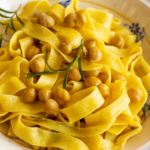
This rustic Italian  pasta and chickpea dish comes from Salento in Puglia, in southern Italy. It combines creamy chickpeas with ribbons of pasta, but there’s one special step that makes this dish unlike any other: some of the pasta is fried until golden and crisp before being added to the finished dish.

That contrast between the tender pasta, creamy chickpeas, and crispy fried pasta is what makes Ciceri e tria so special.

The name itself tells part of the story. Ciceri refers to chickpeas, while tria is the traditional pasta used in the dish. Traditionally, tria is made from durum wheat or semolina and water and cut into rustic ribbons.

For my version, I use fresh tagliatelle because it is easy to find and has the right shape and texture for this traditional dish. You can also use fresh pappardelle or make your own semolina pasta if you want to take the traditional route.

Why You’ll Love Ciceri e Tria

  • A simple, rustic Italian meal made with pantry staples
  • Creamy chickpeas paired with tender and crispy pasta
  • Inexpensive and satisfying
  • A wonderful example of traditional Italian cucina povera
  • Easy enough for a weeknight but special enough to serve to guests


Things to know about this authentic Italian pasta recipe

A Note About the Pasta

Traditional tria is a simple pasta made with durum wheat or semolina and water. Some of the pasta is cooked in the chickpea mixture while another portion is fried in olive oil.

For an easier home-cook version, fresh tagliatelle works beautifully. Fresh pappardelle is another good choice if you prefer a wider, more rustic pasta.

The important part is keeping the contrast between the soft pasta and crispy fried pasta—that’s what makes Ciceri e tria so distinctive.

Can I Use Dried Pasta?

Yes. While fresh pasta gives you a texture closer to traditional tria, dried tagliatelle or another wide ribbon pasta can be used when fresh pasta isn’t available.

Just be careful not to overcook it. You want the pasta tender but still able to hold its shape.

What Makes Ciceri e Tria Special?

Like so many traditional Italian dishes, Ciceri e tria is an example of cucina povera,

where simple, inexpensive ingredients are transformed into something deeply satisfying.

Chickpeas, pasta, olive oil, herbs, and a few basic vegetables don’t sound extraordinary on their own. But the technique of frying some of the pasta changes everything.

It’s a dish that proves you don’t need expensive ingredients to create a memorable Italian meal.

Serving Suggestions

Ciceri e tria is hearty enough to serve as a main course. I like to finish it simply with

good extra virgin olive oil and plenty of freshly ground black pepper.

A simple green salad or some roasted vegetables would make an easy accompaniment.

Storage and Reheating

Store leftovers in an airtight container in the refrigerator for up to 3 days.

For the best texture, keep the fried pasta separate and add it just before serving. Reheat the chickpea and pasta mixture gently on the stovetop with a splash of broth or water.

The fried pasta can be briefly reheated in a dry skillet or oven to help restore its crispness.

Final Thoughts

Ciceri e tria is the kind of Italian recipe I love—simple ingredients, traditional technique, and a little something unexpected.

That crispy fried pasta on top is what turns a humble bowl of chickpeas and pasta into something truly special.

If you’ve never tried this traditional dish from Salento, this is a wonderful place to start.

More Italian Recipes to Try

If you love traditional Italian pasta recipes, there’s plenty more to explore here. Try my Italian  Orecchiette with Sausage and Cherry Tomatoes for another taste of southern Italian cooking, or make my Pasta alla Norma a classic Sicilian pasta with eggplant and tomato.

For something simple and comforting, my Authentic Bolognese Sauce is perfect served over your favorite pasta. And if you’re looking for more traditional Italian comfort food, don’t miss my Tuscan Ribollita Bean and Bread Soup

I hope you enjoy this taste of southern Italy! Be sure to explore more of my Italian recipes for simple, authentic dishes made for the home kitchen.


Ciceri e Tria: Italian Pasta with Chickpeas and Crispy Fried Pasta

Ciceri e Tria is a traditional Italian pasta and chickpea dish from Salento, Puglia. Tender pasta and creamy chickpeas are combined with crispy ribbons of pasta fried in olive oil, creating a rustic dish with wonderful contrast in texture.

For the chickpeas

  • 2 Tbsp. olive oil
  • 1 cup finely chopped onion
  • 1 cup finely chopped celery
  • 1 cup finely chopped carrot
  • 2 cloves minced garlic
  • 2 15 oz. cans chickpeas, rinsed and drained
  • 3-4 cups vegetable or chicken broth
  • 1-2 springs rosemary
  • salt and pepper to taste

For the pasta

  • 8 oz. fresh or dried tagliatelle or pappardelle
  • 1/2 cup olive oil for frying
  • salt for the pasta water
  1. Make the chickpea base. Heat 2 tablespoons olive oil in a large skillet or Dutch oven over medium heat. Add the onion, celery, and carrot. Cook for 5–7 minutes, until softened. Add the garlic and cook for another minute.

  2. Add the chickpeas. Add the chickpeas, broth, and rosemary. Season with salt and pepper. Bring to a gentle simmer and cook for about 20 minutes.

  3. Create a creamy texture. Remove the rosemary. Mash about ⅓ of the chickpeas with the back of a spoon, or blend a small portion with some broth and return it to the pot. You want the chickpeas to create a naturally creamy sauce while still leaving plenty whole.

  4. Prepare the pasta.

    Divide the pasta

    Divide the fresh tagliatelle into two portions. One portion will be cooked in boiling water, while the other portion will be fried directly in olive oil—without boiling it first.

  5. Fry the pasta. Divide the pasta in half. Leave one half in long ribbons for boiling. Break the remaining half into shorter, bite-size pieces. Heat ½ cup olive oil in a skillet over medium heat. Fry the broken pasta pieces in batches until golden and crisp, turning carefully as they cook. Transfer to a paper towel-lined plate and lightly season with salt.

  6. Cook the remaining pasta. Cook the remaining fresh pasta in the boiling water until just tender, usually 2–3 minutes. Reserve about ½ cup of the pasta water, then drain.

  7. Combine. Add the cooked pasta to the chickpeas. Stir gently, adding a splash of pasta water if needed. The consistency should be creamy but not soupy.

  8. Finish with the crispy pasta. Spoon into bowls and generously scatter the fried pasta over the top. Finish with extra-virgin olive oil and freshly ground black pepper.

For the best texture, break half of the fresh pasta into short pieces before frying. Fry the pasta uncooked until golden and crisp, and keep it separate until just before serving so it stays crunchy.

Main Course
Italian
Italian pasta and chickpeas


Spaghetti Aglio e Olio Recipe (Authentic Italian Garlic & Olive Oil Pasta)

Spaghetti Aglio e Olio Recipe (Authentic Italian Garlic & Olive Oil Pasta)This post may contain affiliate links, that help support this blog. If you make a purchase through these links, I may earn a commission—at no cost to you. For more information read my disclosure policy.

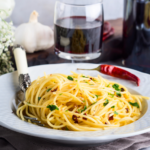
Spaghetti Aglio e Olio is one of those Italian dishes that takes me right back to the simplicity of cooking in Italy. Growing up, we didn’t need a refrigerator full of ingredients to put a good meal on the table. A little garlic, good olive oil, pasta, and a few simple ingredients were often all we needed.

After 40 years in the restaurant business, I’ve come to appreciate these simple dishes even more. When a recipe has so few ingredients, the technique becomes everything. You have to gently cook the garlic, use good olive oil, cook the pasta properly, and save that starchy pasta water to bring everything together.

This is a pasta I make when I want something quick, comforting, and full of flavor without a lot of fuss. It’s proof that some of the best Italian meals are also the simplest.


Things to know about this Spaghetti Aglio e Olio

Don’t Burn the Garlic

Garlic is the star of this dish, so take your time with it. Cook it gently over medium-low heat until fragrant and just beginning to turn golden.

If the garlic gets too dark, it will become bitter and can overpower the entire dish.

Use Good Extra-Virgin Olive Oil

There are only a handful of ingredients in this recipe, so the quality of your olive oil matters. Use an extra-virgin olive oil that you enjoy the flavor of because it becomes part of the sauce.

Save Your Pasta Water

This is one of the most important steps.

Before draining the spaghetti, reserve some of the cooking water. The starch in the water helps emulsify the olive oil and creates a silky sauce that clings to the pasta.

Don’t skip this step.

Finish the Spaghetti in the Skillet

Don’t simply drain the pasta and pour the garlic and oil over it.

Transfer the spaghetti directly into the skillet with the garlic and olive oil. Add some reserved pasta water and toss everything together over the heat.

Don’t simply drain the pasta and pour the garlic and oil over it.

Transfer the spaghetti for the stock pot directly into the skillet with the garlic and olive oil. Add some reserved pasta water and toss everything together over the heat.

This is what turns the olive oil and pasta water into a light, silky sauce.

Cook the Pasta Al Dente

Start checking the spaghetti a minute or two before the package’s recommended cooking time. You want it tender but still slightly firm when you bite into it.

The pasta will continue cooking when you finish it in the skillet.

Adjust the Heat

Red pepper flakes give Aglio e Olio its signature little kick. Start with a small amount and add more if you like your pasta spicy.


What to Serve With Spaghetti Aglio e Olio

This pasta is wonderful on its own, but it also makes a great first course or side dish.

For an Italian-inspired meal, serve it with a simple vegetable, salad, or a protein such as fish or chicken.

If you love simple Italian pasta dishes, you may also enjoy my One-Pot Creamy Zucchini Pasta, another easy pasta that lets a few simple ingredients do the work.

For a classic Roman pasta, try my Cacio e Pepe. Like Aglio e Olio, it relies on technique rather than a complicated ingredient list.

And if you’re looking for another traditional Roman favorite, my Rigatoni Amatriciana is made with a simple combination of tomatoes, guanciale, and Pecorino Romano.

For something completely different, my Spaghetti Nerano combines spaghetti with fried zucchini and cheese for another example of how a handful of ingredients can create something special.

Why You’ll Love This Recipe

  • It’s ready in about 30 minutes.
  • It uses simple pantry ingredients.
  • It’s inexpensive to make.
  • No complicated sauce is required.
  • It’s naturally vegetarian.
  • It’s perfect for a quick weeknight dinner.
  • The technique can be used with many other pasta dishes.

A Simple Italian Pasta Worth Knowing

Spaghetti Aglio e Olio is more than just an easy dinner. It’s a great recipe to learn because it teaches you some of the most important techniques for cooking pasta well: properly salted water, al dente pasta, saving pasta water, and finishing the pasta in the sauce.

Once you understand those techniques, you’ll see them throughout Italian cooking.

And sometimes, the simplest plate of pasta is the one you come back to again and again.


Spaghetti Aglio e Olio Recipe (Authentic Italian Garlic & Olive Oil Pasta)

Spaghetti Aglio e Olio is a simple Italian pasta made with garlic, extra-virgin olive oil, red pepper flakes, and parsley. This classic 20-minute recipe uses a few simple ingredients and a little pasta water to create a silky, flavorful sauce that coats every strand of spaghetti.

  • 12 oz. spaghetti
  • 1 cup extra-virgin olive oil
  • 1 Tbsp red pepper flakes
  • 1/3 cup chopped fresh Italian parsley
  • 1 cup reserved pasta water, or as needed
  • salt and pepper to taste
  1. Bring a large pot of water to a boil. Season generously with salt and add the spaghetti.

  2. Cook until just shy of al dente, following the package directions as a guide. Before draining, reserve at least 1 cup of the pasta water.

  3. Meanwhile, heat the olive oil in a large skillet over medium-low heat. Add the sliced garlic and red pepper flakes. Cook gently until the garlic is fragrant and just beginning to turn golden. Be careful not to burn the garlic.

  4. Transfer the cooked spaghetti directly into the skillet with the garlic and oil.

  5. Add about 1 cup of the reserved pasta water and toss the pasta vigorously with the oil. Continue tossing over medium heat until the pasta is al dente and the sauce becomes silky and coats the spaghetti. Add more pasta water, a little at a time, if needed.

  6. Remove from the heat and add the parsley and freshly ground black pepper. Toss once more and serve immediately.

  7. Always save more pasta water then the recipe calls for!!!

Main Course
Italian
authentic spaghetti aglio e olio


15 Italian Tomato Recipes to Make with Fresh Summer Tomatoes

15 Italian Tomato Recipes to Make with Fresh Summer TomatoesThis post may contain affiliate links, that help support this blog. If you make a purchase through these links, I may earn a commission—at no cost to you. For more information read my disclosure policy.

August is tomato season, and there is nothing quite like a perfectly ripe summer tomato. Juicy, sweet, and full of flavor, fresh tomatoes are one of the ingredients I look forward to most this time of year.

Growing up in Italy, tomatoes were a part of summer cooking in so many different ways. Sometimes they were the star of the dish, and other times they were simply combined with a few other seasonal ingredients to create something delicious.

That’s the beauty of Italian cooking: when your ingredients are at their best, you don’t need to do much to them.

If your garden is overflowing with tomatoes right now, or you just brought home a beautiful basket from the farmers market, these Italian tomato recipes are a delicious way to enjoy them while they’re at their peak.

From simple tomato salads and bruschetta to pasta, baked tomatoes, and easy summer dinners, here are 15 Italian-inspired recipes to make this August.


Easy Italian Tomato Salad with Heirloom Tomatoes

When summer tomatoes are perfectly ripe, sometimes the simplest preparation is the best. This Italian tomato salad combines juicy heirloom tomatoes with fresh basil, oregano, olive oil, salt, and pepper. It’s an easy summer side dish that lets the tomatoes do all the work.GO TO RECIPE

Classic Italian Tomato Bruschetta

Fresh tomatoes, basil, garlic, good olive oil, and toasted rustic bread come together in this classic Italian bruschetta. It’s one of those recipes that is especially delicious in August, when tomatoes are sweet and at their peak.

 GO TO RECIPE

Caprese Spaghetti with Roasted Tomato Sauce

This pasta combines roasted summer tomatoes, garlic, fresh mozzarella, basil, and spaghetti. Roasting the tomatoes concentrates their sweetness and creates a flavorful sauce that’s perfect for a summer pasta dinner.GO TO RECIPE

Oven-Baked Tomatoes Oreganata

This is one of my favorite ways to use an abundance of summer tomatoes. Ripe tomatoes are topped with seasoned breadcrumbs, Parmesan, garlic, oregano, and olive oil, then baked until tender and golden.

It’s simple, rustic Italian cooking at its best.GO TO RECIPE

Authentic Italian Stuffed Tomatoes with Rice and Potatoes

Known as Pomodori Ripieni di Riso, these Roman-style stuffed tomatoes are filled with rice, garlic, basil, and the tomatoes’ own juices, then baked with potatoes underneath.

The potatoes soak up all those delicious tomato juices, making this a complete and satisfying summer meal.GO TO RECIPE

Sugo Crudo –  No-Cook Italian Tomato Sauce

When summer tomatoes are at their peak, this simple Sugo Crudo is one of the best ways to enjoy them. This no-cook Italian tomato sauce combines ripe tomatoes with olive oil, garlic, and fresh basil for a fresh, vibrant sauce that lets the natural sweetness of the tomatoes shine.

It’s delicious tossed with pasta or served with crusty bread for an easy taste of Italian summer.GO TO RECIPE

Authentic Pasta Portofino

Pasta Portofino brings together two of summer’s best flavors: fresh tomatoes and basil pesto. Cherry tomatoes create a light sauce that’s tossed with spaghetti, basil, pine nuts, and Parmigiano Reggiano.

It’s bright, simple, and ready in about 30 minutes.GO TO RECIPE

One-Pan Italian Chicken with Peppers and Tomatoes

Tender chicken, sweet peppers, juicy cherry tomatoes, garlic, and marinara come together in one skillet in this easy Italian-inspired dinner. Fresh mozzarella is added at the end for a melty finish.

It’s exactly the kind of simple meal that’s perfect for summer.GO TO RECIPE

Italian Chicken Breast Pomodoro

Chicken and tomatoes are a natural combination, and this easy Chicken Pomodoro is a great way to enjoy them together. The tomato-based sauce keeps the chicken tender while adding plenty of fresh Italian flavor.GO TO RECIPE

Italian Green Beans and Tomatoes

This is a classic Italian summer side dish that I grew up eating. Fresh green beans are gently cooked with tomatoes, garlic, onion, olive oil, and Italian parsley until everything comes together into a simple, flavorful dish.

It’s especially good when both the tomatoes and green beans are coming straight from the garden.GO TO RECIPE

Italian Potatoes, Tomatoes and Green Beans

Another simple Italian vegetable dish that makes the most of summer produce. Potatoes and green beans are combined with tomatoes, garlic, onion, olive oil, and marinara for a rustic side dish that can easily become a light meal.GO TO RECIPE

Ciambotta Italian summer vegetable  Stew

Zucchini, potatoes, and tomatoes come together in this easy Italian vegetable stew. The tomatoes create a light, flavorful sauce while fresh parsley finishes the dish.

It’s a wonderful example of how Italian cooking turns a few seasonal vegetables into something satisfying.GO TO RECIPE

Traditional Melanzane a Funghetto

This Neapolitan eggplant dish is another wonderful way to use summer tomatoes. Eggplant and tomatoes come together in a simple preparation that’s full of Southern Italian flavor.

It’s rustic, seasonal, and exactly the kind of dish I love making when summer vegetables are abundant.GO TO RECIPE

Cod Puttanesca

Flaky cod simmered in a bold Italian tomato sauce with olives, capers, garlic, and anchovy makes this a quick and flavorful summer dinner.

The bright tomato sauce gives the delicate fish plenty of flavor without making the dish feel heavy.GO TO RECIPE

Italian Orecchiette with Sausage and Cherry Tomatoes

This Italian Orecchiette with Sausage and Cherry Tomatoes is an easy, flavorful pasta that makes the most of sweet summer cherry tomatoes. Juicy tomatoes are cooked with Italian sausage and tossed with orecchiette for a satisfying pasta dinner that comes together with simple ingredients.

It’s hearty enough for a weeknight meal but still feels light and summery thanks to the fresh cherry tomatoes.

Tips for Choosing the Best Summer Tomatoes

The best tomato recipes start with the best tomatoes. Look for tomatoes that are fragrant, heavy for their size, and ripe without being overly soft.

For salads and bruschetta, I love using heirloom or vine-ripened tomatoes. Roma and plum tomatoes are excellent for sauces and baked dishes because they have a firmer texture and less water.

And when tomatoes are truly at their peak, don’t overcomplicate them. Good olive oil, fresh basil, garlic, salt, and pepper can be all you need.

How to Store Fresh Tomatoes

Keep tomatoes at room temperature until they’re ripe and ready to eat. I prefer not to refrigerate them because the cold can affect their flavor and texture.

If you have more tomatoes than you can use, make a batch of fresh tomato sauce, roast them, or preserve them so you can enjoy that summer flavor later.

Make the Most of Tomato Season

August is the time to take advantage of fresh tomatoes while they’re at their sweetest and most flavorful.

Whether you’re making a simple tomato salad, piling tomatoes onto crusty bread for bruschetta, tossing them with pasta, or turning a basketful into homemade tomato sauce, these recipes are all about keeping things simple and letting seasonal ingredients shine.

So grab those summer tomatoes and start cooking. Italian summer cooking doesn’t have to be complicated—it just needs good ingredients.GO TO RECIPE


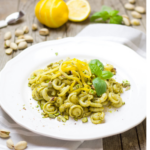
Sicilian Lemon Pistachio Pesto Pasta

Sicilian Lemon Pistachio Pesto PastaThis post may contain affiliate links, that help support this blog. If you make a purchase through these links, I may earn a commission—at no cost to you. For more information read my disclosure policy.

Fresh lemons are one of my favorite ingredients to cook with during the summer. Every year, my lemon tree produces more lemons than I can use. This Sicilian Lemon Pistachio Pesto Pasta is one of my favorite ways to enjoy them.

I served this pesto with busiate, a traditional pasta from Sicily. Its twisted shape holds the sauce beautifully. If you can’t find busiate, use fusilli, casarecce, or linguine.

This recipe is different from classic basil pesto. Fresh lemon zest and lemon juice take center stage. Pistachios add a rich, nutty flavor. Parmesan cheese, garlic, and extra virgin olive oil bring everything together.

I made the pesto with a mortar and pestle. This traditional method creates a rustic texture and great flavor. If you prefer, you can use a food processor instead.

After the pesto is mixed with hot pasta, add a little reserved pasta water. The starchy water helps create a smooth, silky sauce. It also helps the pesto coat the pasta evenly.

This easy pasta recipe is fresh, bright, and full of Sicilian flavor. It’s perfect for busy weeknights, summer dinners, or anytime you’re craving a simple Italian meal.Helpful Tips

Before you begin, here are a few tips to help you make the best lemon pistachio pesto pasta.

  • Use organic lemons. Since you’ll be using the zest, organic, unwaxed lemons will give you the freshest flavor.
  • Save the pasta water. The starchy water helps create a smooth, silky sauce that coats the pasta beautifully.
  • Use good olive oil. This recipe has only a few ingredients, so quality makes a big difference.
  • Choose your method. A mortar and pestle creates a rustic pesto with great texture. A food processor makes a smoother, creamier sauce.
  • Adjust the consistency. If the pesto is too thick, stir in a little pasta water or olive oil until it reaches your desired consistency.
  • Serve right away. This pesto tastes best while it’s fresh and the pasta is still warm.

Storage

Store leftover pesto in an airtight container in the refrigerator for up to 4 days. Pour a thin layer of extra virgin olive oil over the top before sealing to help keep it fresh.

If you’ve already mixed the pesto with pasta, refrigerate the leftovers for up to 3 days. Reheat gently with a splash of water or olive oil to loosen the sauce.

Ways to Use Sicilian Lemon Pistachio Pesto

This fresh, citrusy pesto is delicious in many ways. Try it:

  • Tossed with your favorite pasta
  • Spread on crostini or toasted bread
  • Served with grilled shrimp, salmon, or white fish
  • Spooned over grilled or roasted chicken
  • Drizzled over roasted vegetables
  • Spread on sandwiches or panini
  • Stirred into creamy risotto
  • Served as part of an antipasto platter

Frequently Asked Questions

Can I use almonds instead of pistachios?

Yes. Blanched almonds are the traditional choice in many Sicilian recipes. Pistachios give the pesto a richer flavor and a beautiful green color.

Can I make this pesto without cheese?

Yes. The cheese adds richness, but the pesto is still fresh and flavorful without it.

What pasta shape works best?

Short pasta shapes like busiate, fusilli, and gemelli hold the pesto well. Linguine is another great choice.

Can I make the pesto ahead of time?

Yes. Make the pesto up to two days in advance. Store it in the refrigerator with a thin layer of olive oil on top to help keep it fresh.

More Italian Pasta Recipes You’ll Love

If you enjoyed this Sicilian Lemon Pistachio Pesto Pasta, be sure to try these favorites from the blog:

I’d Love to Hear From You!

If you make this Sicilian Lemon Pistachio Pesto Pasta, I’d love to know what you think! Leave a comment below and let me know your favorite way to use this bright, fresh pesto. If you enjoyed the recipe, a ⭐⭐⭐⭐⭐ rating helps others discover it and supports my blog. Happy cooking!!!


Sicilian Lemon Pistachio Pesto Pasta

This Sicilian Lemon Pistachio Pesto Pasta is a fresh and vibrant Italian dish made with lemon zest, lemon juice, pistachios, Parmesan cheese, garlic, and extra virgin olive oil. Inspired by the flavors of Sicily, this simple pesto is tossed with pasta for a creamy, flavorful meal that tastes like summer. Traditionally made with a mortar and pestle, the pesto can also be prepared quickly with a food processor. Perfect for a weeknight dinner, entertaining, or anytime you want a taste of authentic Italian cooking.

  • 2 medium organic lemons (zest and juice)
  • 1/2 cup shelled unsalted pistachios
  • 1 garlic clove
  • 1/2 cup freshly grated Parmesan cheese
  • 1 cup extra virgin olive oil
  • 4-5 fresh basil leaves
  • salt and pepper to taste

For the Pasta

  • 12 oz. your favorite pasta
  • 1-11/2 cups reserved pasta water
  • Extra Parmesan for serving
  • Chopped pistachios , Fresh basil ,Lemon zest for garnish
  1. Make the Pesto

    Using a mortar and pestle, crush the pistachios with the garlic, basil, and a pinch of salt until a coarse paste forms. Add the lemon zest and continue grinding. Stir in the Parmesan, then slowly drizzle in the olive oil while working the mixture until combined. Add the lemon juice and season with black pepper and additional salt if needed.

    Alternatively, combine all of the ingredients in a food processor and pulse until smooth, adding the olive oil gradually.

  2. Cook the Pasta

    Bring a large pot of salted water to a boil and cook the pasta until al dente according to the package directions. Before draining, reserve 1 cup of the pasta water.

  3. Toss Everything Together

    Transfer the pesto to a large serving bowl. Add the hot pasta and begin tossing, adding reserved pasta water a little at a time until the sauce becomes smooth and glossy, coating every piece of pasta.

    Serve immediately with extra Parmesan, chopped pistachios, fresh basil, and a little lemon zest.

Main Course
Italian
Sicilian Lemon Pistachio Pesto Pasta


Authentic Italian Pasta alla Gricia Recipe

Authentic Italian Pasta alla Gricia Recipe

This post may contain affiliate links, that help support this blog. If you make a purchase through these links, I may earn a commission—at no cost to you. For more information read my disclosure policy.

If there Authentic Pasta alla Gricia recipe is one of the oldest and most iconic dishes of Roman cuisine. Originating in the area of Amatrice, in Lazio, this traditional pasta is often described as the tomato-free ancestor of Amatriciana.

Made with just four essential ingredients—pasta, guanciale, Pecorino Romano and black pepper—Gricia represents the purest expression of Roman culinary tradition. Its simplicity is deceptive: the balance between rendered guanciale fat and sharp Pecorino creates a creamy and intensely savory sauce without the addition of eggs or tomatoes.’s one pasta that deserves more attention, it’s Authentic Pasta alla Gricia. While Carbonara, Cacio e Pepe, and Amatriciana often steal the spotlight, Gricia is actually one of the oldest and most iconic recipes in Roman cuisine. Many consider it the original Roman pasta and the tomato-free ancestor of Amatriciana.

Growing up in Italy, I learned that the best recipes don’t rely on a long list of ingredients—they rely on quality ingredients prepared well. Pasta alla Gricia is the perfect example. Made with just pasta, guanciale, Pecorino Romano, freshly cracked black pepper, and starchy pasta water, this humble dish transforms a handful of simple ingredients into something incredibly rich and satisfying.

The magic is in the technique. As the guanciale slowly renders, it creates a flavorful base that combines with finely grated Pecorino Romano and pasta water to form a silky, creamy sauce—without a drop of cream, butter, eggs, or tomatoes. Every bite is


Things to know about this Authentic Italian Pasta alla Gricia Recipe

  • Use guanciale if possible. This cured pork jowl is the traditional choice and gives Pasta alla Gricia its signature rich, savory flavor. Pancetta can work in a pinch, but it won’t have the same depth.
  • Freshly grate the Pecorino Romano. Pre-shredded cheese doesn’t melt as smoothly and can make the sauce grainy.
  • Save your pasta water. The starch in the cooking water is what creates the silky sauce and helps the cheese emulsify with the rendered guanciale fat.
  • Finish the pasta off the heat. Tossing the cheese with the pasta away from direct heat prevents it from clumping and keeps the sauce smooth and creamy.
  • Keep it simple. Authentic Pasta alla Gricia doesn’t include garlic, onions, butter, cream, or olive oil. The beauty of this Roman classic is letting a few exceptional ingredients shine.

Storage

Store leftover Pasta alla Gricia in an airtight container in the refrigerator for up to 3 days. Reheat gently in a skillet over low heat with a splash of water to loosen the sauce. Avoid microwaving on high, as the cheese can become oily and separate. This pasta is at its absolute best when served fresh, so I don’t recommend freezing it.


More Classic Roman Pasta Recipes

If you loved this Authentic Italian Pasta alla Gricia Recipe, be sure to complete your tour of Rome with the other three iconic pasta dishes:

Together, these four recipes make up the legendary Roman pasta collection, each showcasing how a few simple ingredients can create unforgettable Italian flavors.


Authentic Pasta alla Gricia Recipe

Authentic Italian Pasta alla Gricia is one of Rome's oldest and most beloved pasta dishes. Made with guanciale, Pecorino Romano, black pepper, and starchy pasta water, this simple yet flavorful recipe creates a rich, silky sauce without eggs or tomatoes. Ready in just 25 minutes, it's a timeless Italian classic that's perfect for any night of the week.

  • 1 lb. rigatoni or spaghetti
  • 8 oz. guanciale, cut into ¼-inch strips
  • 2 cups freshly grated Pecorino Romano cheese
  • 1 Tbsp. freshly cracked black pepper, plus more to taste
  • 2 cups reserved pasta water, as needed
  1. Bring a large pot of salted water to a boil. Cook the rigatoni until al dente, according to the package directions. Before draining, reserve 1½ cups of the starchy pasta water.

  2. Cook the guanciale. While the pasta cooks, place the guanciale in a large skillet over medium-low heat. Cook slowly for 8–10 minutes, stirring occasionally, until the fat has rendered and the guanciale is golden and crisp. Remove the skillet from the heat

  3. Toast the pepper. Add the freshly cracked black pepper to the warm guanciale and stir for about 30 seconds, allowing it to become fragrant. For the best flavor, use whole black peppercorns and crack them just before cooking. You can do this with a mortar and pestle for a rustic, coarse grind, or place the peppercorns in a zip-top bag and gently crush them with a rolling pin or the bottom of a heavy skillet. Freshly cracked pepper has a much bolder aroma and is essential to the authentic flavor of Pasta alla Gricia.

  4. Combine the pasta and guanciale. Transfer the drained pasta directly to the skillet and toss well to coat it in the rendered guanciale fat. Add about ½ cup of the reserved pasta water and toss to combine.

  5. Create the sauce. Let the skillet cool for about 30 seconds so it's no longer piping hot. Gradually sprinkle in the grated Pecorino Romano while continuously tossing the pasta. Add more pasta water, a few tablespoons at a time, until a smooth, silky sauce coats every piece of pasta.

  6. Adjust the consistency. Continue tossing until the sauce is creamy and glossy. If it becomes too thick, add a little more pasta water. If it's too thin, toss for another minute until it emulsifies.

  7. Serve immediately. Divide among warm bowls and finish with extra Pecorino Romano and a generous crack of black pepper. Serve immediately while the sauce is silky and hot.

Main Course
Italian
Authentic Roman Pasta Recipe


Easy Sheet Pan Crespelle (No Individual Crepes Needed!)

Easy Sheet Pan Crespelle (No Individual Crepes Needed!)This post may contain affiliate links, that help support this blog. If you make a purchase through these links, I may earn a commission—at no cost to you. For more information read my disclosure policy.

If you’ve ever wanted to make homemade Italian crespelle but didn’t have the patience to stand at the stove cooking one delicate crepe after another, this recipe is for you.

After years in the restaurant business, I’m always looking for ways to make classic recipes more practical for home cooks without sacrificing flavor. Instead of making individual crespelle in a skillet, I bake the batter in one thin layer on a 9 x 13 sheet pan. Once it’s cooked, I spread on the filling, roll it up jelly-roll style, slice it into portions, and bake everything in a rich béchamel and tomato sauce.

The result is all the flavor and elegance of traditional crespelle with a fraction of the work. It’s perfect for Sunday dinner, holidays, or whenever you want an impressive make-ahead Italian meal.


Things to know about this Easy Sheet Pan Crespelle

After spending years in restaurant kitchens, I’ve learned that recipes don’t have to be complicated to be delicious. This sheet pan method is one of those little shortcuts that saves time without sacrificing the delicate texture that makes crespelle so special.

The key is to bake the crespella just until it’s set. If it browns too much, it can crack when you roll it. I also like to freeze the rolled crespella for about an hour before slicing,   It firms everything up, making it much easier to cut clean, even pieces. Using a serrated bread knife helps when slicing the crepella

Whether you’re making these for a cozy Sunday dinner or a holiday gathering, this is a recipe you can prepare ahead of time. Assemble it, refrigerate or freeze it, then simply bake when you’re ready to serve. It’s one of those recipes that looks impressive but is surprisingly easy to pull off.

 Try These Italian Favorites Next

If you enjoyed this easy sheet pan crespelle, here are a few more Italian comfort food recipes I think you’ll love. They’re perfect for Sunday dinners, family gatherings, or anytime you’re craving a homemade Italian meal.


Easy Sheet Pan Crespelle (No Individual Crepes Needed!)

These easy sheet pan crespelle are a simple twist on the classic Italian favorite. Instead of cooking individual crepes, the batter is baked in one large sheet, filled with a creamy ricotta mixture, rolled, sliced into pinwheels, and baked in marinara with plenty of Parmesan cheese. It's an easy, make-ahead Italian comfort food recipe that's perfect for Sunday dinner, holidays, or entertaining.

For the Crespella Batter

  • 1 cup all-purpose flour
  • 1 1/2 cups whole milk
  • 3 large eggs
  • 1/3 cup butter, melted
  • salt to taste

Ricotta Filling

  • 2 cups whole milk ricotta, drained if watery
  • 1 cup shredded mozzarella
  • 1/2 cup grated Parmesan cheese
  • 1 cup steamed spinach, squeezed completely dry and finely chopped
  • 1 egg yolk
  • salt and pepper to taste

For Assembly

  • 3 cups my easy marinara sauce
  • 1/2 cup freshly grated Parmesan cheese
  • 1 cup shredded mozzarella (optional)
  • Fresh basil or parsley for garnish
  1. Make the Batter

    In a blender, combine the flour, milk, eggs, melted butter, and salt. Blend until smooth. Let the batter rest for at least 20 minutes while you prepare the filling.

  2. Prepare the Filling

    In a large bowl, combine the ricotta, mozzarella, Parmesan, egg, parsley, nutmeg, salt, and pepper. Mix until smooth and well combined.

  3. Bake the Crespella

    Preheat the oven to 375°F (190°C).

    Line a 9 x13-inch rimmed baking sheet with parchment paper and lightly grease it.

    Pour the batter onto the prepared baking sheet, tilting the pan until the batter forms a thin, even layer.

    Bake for 8–10 minutes, or until the crespella is just set. Do not overbake.

    Allow it to cool for 5 minutes.

  4. Fill and Roll

    Spread the ricotta filling evenly over the crespella, leaving a ½-inch border.

    Starting from the short end, roll it up tightly like a jelly roll.

    Wrap the roll in plastic wrap and freeze for about 1 hour, or until firm enough to slice cleanly.

  5. Assemble

    Preheat the oven to 350°F (175°C).

    Spread about 1 cup of marinara sauce over the bottom of a 9 x 13-inch baking dish.

    Slice the crespella roll into 2-inch rounds and arrange them cut-side up in the dish.

    Spoon the remaining marinara over the tops, leaving some of the spirals visible.

    Sprinkle with Parmesan and, if desired, mozzarella.

  6. Bake

    Cover with foil and bake for 25 minutes.

    Remove the foil and bake an additional 10–15 minutes, until the cheese is melted and the sauce is bubbling.

    Garnish with fresh basil or parsley and serve immediately.

Main Course
Italian
sheet pan crespelle, Italian crespelle recipe, r


15 Italian Zucchini Recipes You’ll Make All Summer

15 Italian Zucchini Recipes You’ll Make All SummerThis post may contain affiliate links, that help support this blog. If you make a purchase through these links, I may earn a commission—at no cost to you. For more information read my disclosure policy.

If your garden is overflowing with zucchini—or you’ve picked up a few too many at the farmers market—you’re in the right place. Zucchini is one of summer’s most versatile vegetables, and in Italian cooking, it’s used in everything from fresh salads and simple side dishes to hearty pastas and comforting baked meals.

Growing up in Tuscany, zucchini was always a part of our summer table. It wasn’t dressed up with complicated ingredients. A little good olive oil, fresh herbs, garlic, and Parmesan were often all it needed. Those simple flavors are still the inspiration behind many of the recipes I make today.

After spending more than 40 years in the restaurant business, I’ve learned that the best recipes don’t have to be complicated. These Italian-inspired zucchini recipes are easy enough for busy weeknights, beautiful enough for entertaining, and full of the fresh flavors of summer.

Whether you’re looking for a light lunch, a hearty dinner, or the perfect side dish, this collection has something for everyone.


Easy Roasted Zucchini Salad with Feta

This fresh and colorful zucchini salad is the perfect summer side dish. Roasted zucchini is paired with creamy feta, fresh herbs, and a light vinaigrette for an easy recipe that’s equally at home at a backyard barbecue or an elegant Italian dinner table.GO TO RECIPE

One-Pot Creamy Zucchini Pasta (Pasta e Zucchini)

This comforting Pasta e Zucchini is a traditional Italian favorite that’s creamy without being heavy. Everything cooks together in one pot, allowing the zucchini to melt into the sauce for an easy weeknight meal full of authentic Italian flavor.GO TO RECIPE

Crispy Fried Zucchini Flowers (Non-Stuffed)

A true Italian summer delicacy, these crispy fried zucchini flowers feature a light, golden batter that lets the delicate flavor of the blossoms shine. They’re simple to make and perfect as an appetizer or served alongside your favorite Italian meal.GO TO RECIPE

Classic Zucchini alla Scapece (Neapolitan Marinated Zucchini)

Thin slices of zucchini are lightly fried and marinated with garlic, fresh mint, vinegar, and olive oil in this classic recipe from Naples. It’s a refreshing make-ahead side dish that tastes even better after the flavors have had time to mingle.GO TO RECIPE

Vegetarian Zucchini and Tomato Pasta

Fresh zucchini, juicy summer tomatoes, garlic, basil, and Parmesan come together in this simple vegetarian pasta that’s ready in about 30 minutes. It’s a light yet satisfying dinner that celebrates the best flavors of the season.GO TO RECIPE

Zucchini Lasagna with Bolognese Sauce

Layers of tender zucchini, rich homemade Bolognese sauce, creamy béchamel, and melted cheese make this lasagna a comforting twist on a classic Italian favorite. It’s perfect for family dinners, special occasions, or whenever you’re craving a hearty meal with plenty of garden-fresh flavor.GO TO RECIPE

Easy Vegetarian zucchini fritters

These crispy zucchini fritters are made with fresh zucchini, Parmesan cheese, herbs, and a handful of pantry staples. Golden on the outside and tender on the inside, they’re perfect as an appetizer, light lunch, or flavorful side dish.

 GO TO RECIPE

Baked vegetarian zucchini meatballs

These baked zucchini meatballs are a delicious vegetarian twist on a classic. Made with grated zucchini, breadcrumbs, Parmesan, and fresh herbs, they’re crispy on the outside, tender in the center, and perfect served with marinara or as a meatless main course.GO TO RECIPE

Crispy Zucchini scarpaccia

This traditional Tuscan zucchini scarpaccia is a savory zucchini tart with crisp, golden edges and a tender center. Made with thinly sliced zucchini, onions, Parmesan, and a simple batter, it’s an easy recipe that showcases the fresh flavors of summer.GO TO RECIPE

Vegetarian Zucchini Roll-Ups

Thin slices of zucchini are rolled around a creamy ricotta filling, topped with marinara sauce and mozzarella, then baked until bubbly and golden. This lighter take on classic Italian comfort food is perfect for weeknight dinners or entertaining.GO TO RECIPE

Zucchini ricotta penne pasta

Creamy ricotta, tender zucchini, and perfectly cooked penne come together in this simple Italian-inspired pasta. Finished with fresh basil and Parmesan, it’s a quick and satisfying meal that’s ready in about 30 minutes.GO TO RECIPE

Italian zucchini potato stew

This rustic Italian stew combines tender zucchini, potatoes, tomatoes, garlic, and herbs in a comforting one-pot meal. It’s a simple, budget-friendly recipe that’s perfect for using up fresh summer vegetables.GO TO RECIPE

Spaghetti alla Nerano

One of Italy’s most beloved zucchini pasta dishes, Spaghetti alla Nerano features golden fried zucchini, al dente spaghetti, fresh basil, and plenty of cheese for a silky, flavorful sauce. Originating on the Amalfi Coast, this classic recipe proves that a few simple ingredients can create an unforgettable meal.GO TO RECIPE

Roasted Zucchini Panzanella Salad

This Italian-inspired panzanella gives the classic bread salad a delicious summer twist. Roasted zucchini, juicy tomatoes, toasted bread, fresh basil, and a tangy vinaigrette come together for a hearty salad that’s perfect for lunch, dinner, or entertaining.GO TO RECIPE

Creamy Lemon Parmesan Zucchini Orzo

This creamy lemon Parmesan zucchini orzo is bright, comforting, and full of fresh summer flavor. Tender orzo, sautéed zucchini, fresh lemon, and Parmesan create a silky one-pan dish that works beautifully as a light main course or alongside grilled chicken, seafood, or your favorite Italian entrées.GO TO RECIPE

Final Thoughts

Zucchini is one of those humble vegetables that proves simple ingredients can create some of the most memorable meals. From classic Italian recipes passed down through generations to fresh, modern dishes inspired by summer’s abundance, there are so many delicious ways to enjoy zucchini.

Whether you’re looking for a quick weeknight pasta, a light summer salad, a comforting baked dish, or a new way to use up garden zucchini, these Italian zucchini recipes are full of flavor and easy enough to make at home.

I hope this collection inspires you to bring more zucchini to your table this summer. Save this page, share it with someone who loves Italian food, and come back as new zucchini recipes are added to this collection.


Authentic Spaghetti alla Puttanesca Recipe

Authentic Spaghetti alla Puttanesca RecipeThis post may contain affiliate links, that help support this blog. If you make a purchase through these links, I may earn a commission—at no cost to you. For more information read my disclosure policy.

Spaghetti alla Puttanesca Recipe  is one of those bold, rustic pasta dishes that proves simple ingredients can create incredible flavor. Spaghetti alla Puttanesca is a traditional Italian recipe made with tomatoes, olives, capers, garlic, and anchovies, bringing together salty, briny, and rich Mediterranean flavors in every bite.

This pasta recipe comes together in about 30 minutes, making it perfect for busy weeknights when you want something comforting but full of character. It’s the kind of pantry pasta I grew up around in Italy—simple, unfussy, and always deeply satisfying. Once the sauce simmers and the pasta is tossed through, you get a dish that tastes like it took hours, not minutes.

Things to know about Authentic Spaghetti alla Puttanesca Recipe

  • Don’t skip the anchovies. They melt into the sauce and add incredible depth without making the pasta taste fishy.
  • Cook the pasta just until al dente so it finishes perfectly in the sauce.
  • Save some pasta water to help the sauce cling to every strand of spaghetti.
  • Use good-quality olives and capers for the best flavor.

Storage

Store leftovers in an airtight container in the refrigerator for up to 3 days. Reheat gently in a skillet with a splash of water.

Frequently Asked Questions

Does Puttanesca traditionally contain anchovies?

Yes. Traditional Spaghetti alla Puttanesca includes anchovies, which dissolve into the sauce and provide a savory, umami-rich flavor.

Can I make it vegetarian?

Absolutely. Simply omit the anchovies. The olives and capers will still provide plenty of bold flavor.

What pasta is best for Puttanesca?

Spaghetti is the classic choice, but linguine and bucatini work beautifully as well.

Final Thoughts

Spaghetti alla Puttanesca is proof that some of the best Italian recipes come from humble ingredients. It’s quick, affordable, and packed with the bold Mediterranean

 If you enjoy simple Italian recipes made with everyday ingredients, here are a few more favorites from my kitchen. From classic pasta dishes to fresh salads and appetizers, these recipes pair beautifully with Spaghetti alla Puttanesca and bring a taste of Italy to your table.

Love easy Italian pasta recipes? Be sure to save this Spaghetti alla Puttanesca recipe and browse the pasta section of the blog for more authentic Italian favorites inspired by my childhood in Tuscany and 40 years in the restaurant business. From comforting classics to seasonal dishes, you’ll find plenty of restaurant-quality recipes made simple for home cooks. 

Authentic Spaghetti alla Puttanesca Recipe

Spaghetti alla Puttanesca is a classic Southern Italian pasta dish made with simple pantry staples like tomatoes, olives, capers, garlic, and anchovies. Ready in about 30 minutes, this bold and flavorful pasta is perfect for busy weeknights when you want a satisfying homemade meal without spending hours in the kitchen. Every bite delivers the savory, briny flavors that make Italian cooking so memorable.

  • 12 oz. spaghetti
  • 3 Tbsp. extra virgin olive oil
  • 2 cloves garlic minced
  • 4 fillets anchovy chopped
  • 1 each Calabrian chili adjust to taste (can substitute red chili flakes)
  • 1 28-ounce can crushed tomatoes
  • 1 cup Kalamata olives, sliced
  • 1/3 cup capers (drained)
  • 1/3 cup chopped Italian parsley
  • salt and pepper to taste
  1. Bring a large pot of salted water to a boil. Cook the spaghetti according to package directions until al dente.

  2. While the pasta cooks, heat the olive oil in a large skillet over medium heat.

  3. Add the garlic, anchovies, and red pepper flakes. Cook for 1 to 2 minutes, stirring frequently, until fragrant and the anchovies have melted into the oil.

  4. Stir in the crushed tomatoes, olives, and capers. Bring to a gentle simmer and cook for about 15 minutes.

  5. Reserve 1 cup of pasta water before draining the spaghetti.

  6. Add the drained pasta to the sauce. Toss well, adding a splash of pasta water if needed to loosen the sauce.

  7. Stir in the parsley and season with black pepper. Taste and add salt only if needed, as the olives and capers already provide plenty of seasoning

Spaghetti alla Puttanesca Recipe Spaghetti alla Puttanesca classic Italian pasta recipe