Lemon Asparagus Ricciarelle Pasta

Lemon Asparagus Ricciarelle Pasta

This post may contain affiliate links, that help support this blog. If you make a purchase through these links, I may earn a commission—at no cost to you. For more information read my disclosure policy.

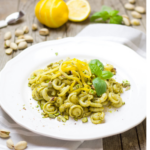
Spring is all about fresh, vibrant flavors, and nothing says “springtime on a plate” quite like this Lemon Asparagus Ricciarelle Pasta. The curly, ribbon-like ricciarelle pasta holds onto every bit of the zesty lemon sauce, while the sautéed asparagus adds tender-crisp bites.

To elevate the dish, we puree half of the asparagus to create a silky sauce that clings to the pasta, giving each bite a luxurious texture without adding cream. It’s simple, bright, and elegant—perfect for a weeknight dinner or a light spring gathering.

Whether cooking for your family, hosting friends, or craving something fresh for yourself, this pasta is a seasonal star. Pair it with a crisp white wine or a simple green salad, and you’ve got a meal that feels indulgent yet effortless.


Things to know about this Lemon Asparagus Ricciarelle Pasta

  • Pureeing half the asparagus: This creates a silky, smooth sauce that coats the pasta while still giving you tender asparagus bites.
  • Cream optional: Pureeing the asparagus gives a creamy texture naturally; cream is only needed if you want it extra rich.
  • Leftovers: Store in an airtight container in the fridge for up to 2 days. Reheat gently with a splash of olive oil or water.
  • Pasta variations: While ricciarelle is ideal for holding the sauce, you can experiment with other short, ridged, or twisted pasta like cavatelli, fusilli, or campanelle. Each shape will change how the sauce clings and the overall bite of the dish.
  • Flavor variations: Add a pinch of red pepper flakes for heat, or mix in toasted pine nuts for crunch.

Love this recipe? Explore more spring-inspired pasta dishes on the blog! Try my Asparagus, pancetta and lemon lasagna for another light and vibrant spring time meal, or check out my one pot creamy zucchini pasta  for a delicious quick meal that uses few ingredients.

Sign up for my newsletter to get seasonal recipes, kitchen tips, and cooking inspiration delivered straight to your inbox!


Lemon Asparagus Ricciarelle Pasta

Light, fresh, and full of spring flavors! This Lemon Asparagus Ricciarelle Pasta features tender sautéed asparagus, bright lemon sauce, and Parmesan, perfect for an easy weeknight dinner or elegant spring meal.

  • 12 0z. Ricciarelle pasta (Use any shape pasta)
  • 1 Lb. Asparagus (trimmed and cut into 2-inch pieces)
  • 4 Tbsp. olive oil
  • 2 gloves garlic (minced)
  • 1 Tbsp. lemon rind
  • 1/3 cup lemon juice (from 1 lemon)
  • 1/2 cup Parmesan cheese (grated)
  • 1 cup pasta water (reserve before draining, always same more than recipe calls for )
  • 1/3 cup Italian parsley (chopped)
  • salt and pepper (to taste)
  1. Cook the pasta:Bring a large pot of salted water to a boil. Cook the ricciarelle pasta according to package instructions. Drain, reserving 2 cups of pasta water.

  2. Sauté the asparagus: Heat olive oil in a large skillet over medium heat. Add asparagus and sauté for 4–5 minutes until tender-crisp. Add garlic during the last minute.

  3. Puree half the asparagus: Transfer half of the sautéed asparagus to a blender or food processor and puree until smooth. Return the puree to the skillet with the remaining whole asparagus.

  4. Make the sauce: Lower the heat, then add lemon zest, lemon juice, and Parmesan to the skillet. Stir in the cooked pasta. If using cream, add now. Toss everything together, adding reserved pasta water a little at a time until the sauce reaches your desired consistency.

  5. Season and serve: Taste and season with salt and pepper. Serve immediately, garnished with fresh parsley and extra Parmesan if desired.

Main Course
Italian
Asparagus Italian, pasta


Casatiello Traditional Italian savory Easter Bread

Casatiello Traditional Italian savory Easter Bread

This post may contain affiliate links, that help support this blog. If you make a purchase through these links, I may earn a commission—at no cost to you. For more information read my disclosure policy.

Every Easter, my kitchen smells like a little slice of Naples. My mom used to make Casatiello, a rich, savory bread packed with salami, mortadella, and cheese, baked into a golden ring. There’s something about this bread—the way the dough is soft and eggy, the pockets of melted cheese, the salty bite of cured meats—that just screams Easter morning.

Casatiello has been a Neapolitan tradition for centuries. Originally, it was a celebratory bread meant to carry all the flavors of the pantry, symbolizing abundance and new life during the holiday. The eggs tucked on top? They’re not just decorative—they represent fertility and rebirth, a little Easter symbolism baked right in.

This recipe is my take on that classic, with eggs in the dough for extra richness, so every bite tastes like home and tradition.


Things to know about this Casatiello Traditional Italian savory Easter Bread

  • Adding the 3 eggs directly into the dough makes the Casatiello rich, soft, and extra tender.
  • Some families also like to nest raw eggs on top of the dough in a cross pattern before baking—this is a traditional Easter symbol representing new life and fertility. If you do this, make sure the eggs are clean and securely tucked into the dough so they bake safely.
  • Don’t skip the black pepper—it’s part of the classic flavor.
  • Cut meats and cheese into small, even cubes for better distribution.
  • Slightly overfilling is traditional—this bread is meant to be hearty and rustic.

Serving

Serve slightly warm or at room temperature. Slice into wedges and enjoy as part of your Easter spread, on an antipasto board, or alongside eggs and fresh fruit for breakfast. It’s rich, so a little goes a long way—but no one ever stops at one slice.


🧊 Storage

  • Room temperature: Wrap tightly and keep for up to 2–3 days
  • Refrigerator: Store up to 5 days
  • Freezer: Slice and freeze for up to 2 months

🔥 Reheating

  • Warm slices in a 300°F oven for 10–15 minutes
  • Or microwave for 20–30 seconds for a quick reheat
  • For best texture, avoid overheating—the cheese should be soft, not greasy
  • Want More Italian  Recipes?


Casatiello: Traditional Italian Easter Bread

Traditional Italian Casatiello made with eggs in the dough, loaded with salami, mortadella, and cheese, and baked into a golden Easter bread ring.

  • 4 cups flour (all purpose flour)
  • 1 package dry yeast (2 ¼ tsp active dry yeast)
  • 1 cup warm water
  • 1 tsp. sugar
  • 2 tsp. salt
  • 1/2 cup olive oil (or lard for traditional flavor))
  • 3 medium eggs
  • 1 tsp. Black pepper
  • 1 cup diced salami ( for the filling)
  • 1 cup diced mortadella (for the filling)
  • 1 cup diced provolone (for the filling)
  • 1 cup diced mozzarella (for the filling)
  • 1/2 cup grated pecorino Romano (for the filling)
  • 3-4 eggs raw in the shell (Optional topping)
  • Extra dough strips for crossing (Optional topping)
  1. Activate the yeast In a small bowl, combine warm water, sugar, and yeast. Let sit 5–10 minutes until foamy.

  2. Make the dough In a large bowl, mix flour, salt, and black pepper. Add the yeast mixture, olive oil, and eggs. Mix until a soft dough forms.

  3. Knead Knead for 8–10 minutes until smooth and elastic.

  4. First rise (without filling) Place dough in an oiled bowl, cover, and let rise 1–2 hours until doubled.

  5. Incorporate the filling Gently punch down the risen dough. Flatten slightly and sprinkle in the diced salami, mortadella, and cheeses. Fold and knead just enough to distribute the filling evenly without deflating the dough too much.

  6. Shape Roll into a long log and form into a ring. Place in a greased bundt or round pan.

  7. Add eggs (optional) Nestle whole eggs into the dough and secure with strips of dough in a cross.

  8. Second rise Cover and let rise 45–60 minutes until puffy.

  9. Bake Bake at 375°F (190°C) for 40–50 minutes, until golden brown. Tent with foil if browning too fast.

Appetizer
Italian
Italian, Bread< Easter, Casatiello


Asparagus, Prosciutto & Lemon Béchamel Lasagna

Asparagus, Proscuitto & Lemon Béchamel Lasagna

This post may contain affiliate links, that help support this blog. If you make a purchase through these links, I may earn a commission—at no cost to you. For more information read my disclosure policy.

There’s something about spring that makes me want to put away the heavy red sauce and cook a little lighter—but not boring. This asparagus lasagna is exactly that. Layers of tender pasta, a silky lemon béchamel, and a ricotta filling that actually holds its shape when you slice into it.

I used store-bought lasagna noodles that needed to be boiled first, and honestly, it’s worth the extra step. You get better texture, cleaner layers, and a more traditional feel than the no-boil kind.

It’s the kind of dish that feels like it came out of a small kitchen somewhere in Northern Italy—simple, seasonal, and just indulgent enough. And yes, it’s a showstopper, but it’s also one of those recipes you’ll realize is way easier than it looks.


Things to know about this Asparagus, Prosciutto & Lemon Béchamel Lasagna

  • Use the right noodles
    I used classic store-bought lasagna sheets that require boiling. Cook them just to al dente—they’ll finish in the oven and give you the best texture. And the right size pan 
  • Blanch your asparagus
    This keeps it bright green and prevents excess water from ruining your layers.
  • Dry everything well
    Moisture is the enemy of a clean slice.
  • Your béchamel matters
    It should be smooth and pourable—not thick like paste.
  • The ricotta mixture is key
    Adding egg + Parmigiano-Reggiano + parsley gives you structure and that bakery-style finish.
  • Don’t over-layer
    Thin, even layers = better texture and cleaner cuts.
  • Let it rest
    15–20 minutes makes all the difference between messy and perfect.
  • If you love recipes like this that feel a little elevated but are still completely doable at home, you’ll want to try my Italian Sunday Sauce with meatballs and my Italian Meatloaf with roasted potatoes—both are staples that instantly upgrade simple ingredients.


Asparagus, Prosciutto, & Lemon Béchamel Lasagna

Creamy asparagus lasagna made with silky lemon béchamel, pancetta, and layers of tender pasta—no red sauce, just a rich, spring-inspired twist on classic comfort food.

  • 4 Tbsp. butter (for the Béchamel sauce )
  • 4 Tbsp. flour (for the Béchamel sauce )
  • 3 cups milk (warmed for the Béchamel sauce )
  • 1 Tbsp. lemon zest (for the Béchamel sauce )
  • Salt and pepper (to taste)
  • 9 lasagna Sheets (Store bought or homemade)
  • 1 bunch asparagus (For the filling)
  • 4 oz. prosciutto (For the filling)
  • 2 cups ricotta (For the filling)
  • 1 egg (For the filling)
  • 1/2 cup Grated parmesan cheese (For the filling)
  • 2 Tbsp. chopped Italian parsley (For the filling)
  1. 1. Par boil the lasagna noodles . Let dry on tea towels

  2. 2. Prep the asparagus Blanch in salted water for 2–3 minutes → transfer to ice water → drain very well and pat dry. Cut into 2-inch pieces.

  3. 3. Cook the proscuitto Render in a pan until crispy. Remove and set aside.

  4. 3. Make the béchamel

    👉 Should be silky and pourable—not thick and heavy

    Melt butter, whisk in flour (1–2 minutes, no browning)Slowly whisk in warm milk. Simmer until smooth and coats the back of a spoon Stir in salt, pepper, and lemon zest.

  5. 4. Make the ricotta layer In a bowl, mix:

    Ricotta1 egg Grated Parmigiano-Chopped parsley Pinch of salt + pepper

  6. 5. Assemble

    Layer in this order:

    Thin layer of béchamel

    Lasagna sheets

    Béchamel

    Ricotta mixture (spread lightly)

    Asparagus + pancetta

    Repeat layers 2–3 times.

    Finish with Lasagna noodle béchamel + extra parmesan cheese

  7. 6. Bake 375°F for 1 hour or until golden on top and bubbling at the edges

  8. 7. Rest (don’t skip) Let sit 15–20 minutes before slicing

    👉 This is the difference between:

    messy scoop to clean, perfect slices

Main Course
Italian
Italian asapargus, lasagna


One-Pot Creamy Zucchini Pasta (Pasta e Zucchini)

One-Pot Creamy Zucchini Pasta (Pasta e Zucchini)This post may contain affiliate links, that help support this blog. If you make a purchase through these links, I may earn a commission—at no cost to you. For more information read my disclosure policy.

This creamy zucchini pasta is made the same way many Italian home cooks prepare pasta with peas—everything cooks together in one pot.

The zucchini slowly soften with onion and olive oil, then the pasta cooks directly in the same pot with water or broth. As the pasta releases its starch, the sauce becomes naturally creamy without adding any cream.

It’s simple, comforting, and exactly the kind of rustic dish you’ll find in Italian kitchens during zucchini season.

With minimal ingredients and just one pot, it’s the perfect weeknight pasta.


things to know about this One-Pot Creamy Zucchini Pasta (Pasta e Zucchini ) recipe

Cut the zucchini small
Dicing the zucchini into small cubes helps them soften and melt into the sauce.

The pasta water
The starch from the pasta water is what helps create the creamy texture without adding cream.

Don’t rush the zucchini
Letting them cook slowly allows them to soften and develop flavor.


Storage

Store leftover zucchini pasta in an airtight container in the refrigerator for up to 3 days.

Reheat gently in a skillet with a splash of water or broth to loosen the sauce.


More Italian Pasta Recipes

If you love simple Italian pasta dishes, you might also enjoy:

These recipes use the same philosophy of Italian cooking—simple ingredients, cooked well.

Final Thoughts

Creamy zucchini pasta proves that you don’t need complicated ingredients to make something delicious. With a few zucchini, olive oil, onion, and pasta, you get a comforting Italian dish that feels both rustic and elegant.

Perfect for busy weeknights or when your garden is overflowing with zucchini.


One-Pot Creamy Zucchini Pasta (Pasta e Zucchini )

This one-pot creamy zucchini pasta is a traditional Italian recipe where pasta cooks directly with zucchini, onion, and olive oil, creating a naturally creamy sauce with Parmesan and pasta starch.

  • 12 0z. small pasta (ditalini, small shells, or broken spaghetti)
  • 3 medium zucchini (small dice)
  • 1 small onion (chopped)
  • 3 Tbsp. olive oil (extra virgin)
  • 3 cups water or light broth
  • 1 cup grated parmesan
  • 1/2 cup Italian parsley (chopped)
  • salt and pepper to taste
  1. 1. Sauté the base

    In a large pot or deep skillet, heat the olive oil over medium heat.

    Add the chopped onion and cook until soft and translucent, about 4–5 minutes.

    Add the diced zucchini, season with salt and black pepper, and cook for 5–6 minutes until they begin to soften.

  2. 2. Add the pasta

    Add the dry pasta directly to the pot.

    Pour in about 3½ cups water or broth, just enough to cover the pasta.

    Bring to a gentle simmer.

  3. 3. Cook everything together

    Cook the pasta, stirring occasionally so it doesn’t stick.

    As the pasta cooks, the liquid will reduce and the starch will create a creamy sauce.

    If needed, add a little more water as it cooks.

    This should take about 10–12 minutes, depending on the pasta.

  4. 4. Finish the pasta

    When the pasta is tender and the sauce is creamy, remove from heat.

    Stir in the grated Parmesan cheese until the pasta becomes silky and coated.

    Taste and adjust seasoning.

  5. 5. Serve

    Serve hot with extra Parmesan and parsley if desired.

Main Course
Italian
pasta Italian zucchini


Italian Lemon Cod Bites

Italian Lemon Cod  Bites

This post may contain affiliate links, that help support this blog. If you make a purchase through these links, I may earn a commission—at no cost to you. For more information read my disclosure policy.

This Italian Lemon Cod is a dish that brings me right back to my restaurant kitchen. It was one of those simple plates we made all the time—fresh, bright, and incredibly satisfying. Inspired by the same style used for classic lemon chicken in many Italian-American restaurants, tender cubes of Pacific Cod are lightly seared and finished in a silky lemon, garlic, and white wine sauce.

What made this dish so popular at the restaurant was its simplicity. With just a handful of ingredients and a quick cook time, the cod stays delicate and flaky while soaking up that vibrant lemon flavor. It’s the kind of dish that tastes elegant but is actually very easy to make at home.

If you love light seafood dishes that come together quickly, this restaurant-style lemon cod is one you’ll want to keep on repeat.


Things to now about this Italian lemon cod recipe

  • Use firm, fresh cod. Cubes of Pacific Cod should look bright and smell clean like the ocean, not fishy. Fresh fish will hold its shape better when seared.

  • Pat the fish dry before cooking. Removing excess moisture helps the cod develop a light golden sear instead of steaming in the pan.

  • Cook quickly over medium-high heat. Cod is delicate and cooks fast. About 1–2 minutes per side is usually enough to keep it tender and flaky.

  • Use fresh lemon juice. Fresh lemon gives the sauce its bright flavor and keeps the dish light and balanced.

  • Serve immediately. This dish is best right out of the pan while the sauce is glossy and the fish is tender.

Storage

  • Refrigerate: Store leftovers in an airtight container in the refrigerator for up to 2 days.

  • Reheat gently: Warm in a skillet over low heat with a splash of water, broth, or lemon juice to loosen the sauce. Avoid microwaving too long, as cod can become tough.

  • Freezing is not recommended. Cooked cod tends to become watery and lose its delicate texture after freezing.

  • Love simple seafood dishes like this Italian Lemon Cod? Be sure to explore more of my seafood recipes for easy, Mediterranean-inspired meals you can make at home. From light pasta dishes to classic Italian fish preparations, there’s plenty of inspiration for your next dinner.

    👉 Browse more of my seafood recipes : Easy Italian lemon shrimp

or for a restaurant quality meal at a fraction of          the cost try my easy broiled lobster tails for two  

Italian Lemon Cod Bites

Tender cubes of Pacific Cod are lightly seared and finished in a bright lemon, garlic, and white wine sauce. This simple Italian-style lemon cod recipe is light, fresh, and ready in just 20 minutes.

  • 2 Lbs. wild cod (cut into 2 inch cubes)
  • salt (to taste)
  • pepper (to taste)
  • 1/2 cup flour (for dredging)
  • 2 Tbsp. olive oil
  • 2 Tbsp. butter
  • 2 cloves garlic (finely minced)
  • 1/3 cup lemon juice (juice from 1 lemon)
  • 1/2 cup white wine
  • 1/2 cup chicken stock
  • 1/4 cup Italian parsley (chopped)
  1. Pat the cod dry and season with salt and pepper.

  2. Lightly dredge the cubes in flour and shake off excess.

  3. Heat olive oil and 1 tbsp butter in a skillet over medium-high.

  4. Add the cod cubes and sear about 1–1½ minutes per side until lightly golden. Remove and set aside.

  5. In the same pan add garlic and cook 30 seconds.

  6. Deglaze with white wine and lemon juice, scraping the pan.

  7. Stir in remaining butter and return cod to the pan just 30–60 seconds to coat in the sauce

  8. Finish with parsley.

Main Course
Italian
lemon,cod, piccata, Italian


Lemon Cod Piccata (Light Italian Seafood Dinner)

Easy 30 minute Lemon Cod Piccata

This post may contain affiliate links, that help support this blog. If you make a purchase through these links, I may earn a commission—at no cost to you. For more information read my disclosure policy.

If you love the bright, buttery flavors of Italian piccata, this Lemon Cod Piccata is a lighter seafood twist on the classic. Traditionally made with veal or chicken, piccata features a silky lemon, butter, and caper sauce that’s both tangy and rich. When paired with delicate pan-seared cod, the result is a restaurant-quality dish that comes together in about 30 minutes.

This recipe is perfect for weeknights when you want something elegant but easy. The cod is lightly dredged in flour and seared until golden, then finished in a lemony white wine piccata sauce packed with briny capers and fresh parsley. Serve it with pasta, roasted potatoes, or crusty bread to soak up every drop of the sauce.

It’s simple, flavorful, and a great way to bring a classic Italian seafood recipe to your dinner table.


Things to know about this Lemon Cod Piccata (Light Italian Seafood Dinner)

Choose the right cod
Fresh cod works best for this recipe, but high-quality frozen cod (fully thawed and patted dry) also works well.

Don’t skip drying the fish
Removing moisture helps the fish develop that beautiful golden crust when searing.

Use fresh lemon juice
Bottled lemon juice won’t give the same bright flavor that makes piccata sauce so special.

Control the sauce thickness
If the sauce becomes too thick, add a splash of broth. If it’s too thin, simmer it another minute or two.

Great side dishes
This cod piccata pairs beautifully with:

  • Angel hair pasta

  • Garlic mashed potatoes

  • Sautéed spinach

  • Roasted asparagus

If you loved this Cod Lemon Piccata, be sure to explore more classic Italian recipes on the blog. Try my Chicken Parmesan, Tuscan Kale and Potatoes, or Italian – style meatloaf with roasted potatoes for more comforting Italian flavors.

And if you make this recipe, leave a comment and rating below—I’d love to hear how it turned out for you!

Lemon Cod Piccata (Light Italian Seafood Dinner)

Light and flavorful Cod Lemon Piccata made with pan-seared cod, lemon, butter, capers, and white wine. A quick Italian seafood dinner ready in 30 minutes.

  • 4 6 oz. cod fillet
  • salt and pepper to taste
  • 1/2 cup flour
  • 3 Tbsp extra virgin olive oil
  • 3 Tbsp. butter
  • 2 Tbsp. finely minced shallots
  • 1 cup dry white wine
  • 1 cup chicken stock
  • 1/3 cup lemon juice
  • 1/2 cup capers
  • 1/3 cup freshly chopped Italian parsley
  1. 1. Prepare the codPat the cod fillets dry with paper towels. Season both sides with salt and pepper, then lightly dredge them in flour. Shake off any excess flour.

  2. 2. Sear the fish Heat olive oil and 1 tablespoon butter in a large skillet over medium-high heat. Add the cod fillets and cook for about 3–4 minutes per side until golden and flaky. Remove from the pan and set aside.

  3. 3. Build the piccata sauce In the same skillet, melt another tablespoon of butter. Add the minced shallots and cook for about 30 seconds until fragrant.

  4. 4. Deglaze the pan Pour in the white wine and scrape up the browned bits from the bottom of the pan. Let the wine simmer until reduced by about half.

  5. 5. Add the lemon and capers Stir in the chicken broth, fresh lemon juice, and capers. Let the sauce simmer for 3–4 minutes.

  6. 6. Finish the sauce Whisk in the remaining tablespoon of butter to create a silky texture.

  7. 7. Return the cod Place the cod back in the skillet and spoon the sauce over the fillets. Let them warm in the sauce for 1–2 minutes.

  8. 8. Garnish and serve Top with fresh parsley and lemon slices. Serve immediately with pasta, potatoes, or crusty bread.

Main Course
Italian


Italian Kale and Potatoes

Italian Kale and PotatoesThis post may contain affiliate links, that help support this blog. If you make a purchase through these links, I may earn a commission—at no cost to you. For more information read my disclosure policy.

Tuscan Kale and Potatoes is one of those dishes that reminds us how beautiful simple food can be. In Tuscany, cooking has always been about making the most of what’s growing in the garden and what’s in the pantry. Hearty greens like Tuscan kale — often called lacinato or dinosaur kale — have been a staple in the region for centuries, especially in rustic, peasant-style cooking known as cucina povera.

Potatoes, introduced to Italy in the 16th century, eventually became a beloved part of country cooking because they were filling, affordable, and easy to grow. Pair them with sturdy kale, good olive oil, and garlic, and you have the foundation of countless traditional Tuscan dishes — simple, nourishing, and deeply satisfying.

This version adds blistered cherry tomatoes for a little sweetness and brightness, but the heart of the dish stays true to its roots: humble ingredients treated with care. It’s the kind of food that feels like it belongs on a farmhouse table, served family-style with warm bread and good conversation.


Things to know about this Italian kale and potatoes

  • Don’t skip parboiling — it ensures the potatoes are creamy inside and golden when sautéed.

  • Tuscan kale (also called lacinato or dinosaur kale) holds its texture beautifully in this dish.

  • Want to make it heartier? Add white beans or top with a fried egg.

  • This dish reheats beautifully the next day.


Serving Ideas

This pairs beautifully with:

  • Grilled chicken

  • Italian sausage

  • Pan-seared fish

  • Or simply warm crusty bread and good olive oil

It’s also delicious served at room temperature, making it perfect for gatherings.


Storage

Store leftovers in an airtight container in the refrigerator for up to 3 days. Reheat gently in a skillet with a drizzle of olive oil.


Final Thoughts

This is the kind of rustic Italian cooking that proves you don’t need complicated ingredients to create something deeply satisfying. Just good olive oil, fresh vegetables, and a little care.

If you make this Tuscan Kale and Potatoes, let me know in the comments — and don’t forget to share it with someone who loves simple Italian cooking 🤍

Bring Rustic Italian Cooking Home

If you loved this Tuscan Kale and Potatoes, you’re going to enjoy some of my other simple, rustic Italian dishes that celebrate humble ingredients and big flavor.

For another cozy vegetable-forward dish, try my Italian Spaghetti Frittata — it’s a beautiful way to transform simple ingredients into something special.

If you’re looking to make this a complete meal, serve it alongside my Italian Meatloaf with Potatoes for a hearty Sunday-style dinner.

Or keep things classic with my cod Francese

And if you love traditional pasta shapes, don’t miss my Southern Italian Cavatelli perfect for pairing with greens and olive oil-based sauces.

Simple ingredients. Timeless recipes. Real Italian flavor.

If you make this dish, leave a comment below and let me know how you served it — I love seeing how these recipes come to life in your kitchen 🤍


Italian Kale and Potatoes

Golden potatoes, tender Tuscan kale, and juicy blistered cherry tomatoes tossed with garlic and a little heat . Simple ingredients, big Italian flavor.

  • 1 1/2 lbs. potatoes (cubed)
  • 1 large bunch Tuscan kale
  • 3 Tbsp extra virgin olive oil
  • 1 cup cherry tomatoes
  • 1 Tbsp. garlic (minced)
  • 1 tsp. red pepper flakes
  • 1 cup white wine
  • salt and pepper to taste
  1. Parboil the Potatoes

    Bring a large pot of salted water to a boil. Add the cubed potatoes and cook for about 8–10 minutes, just until fork-tender but not falling apart. Add the kale and cook 5 minutes longer Drain and set aside.

  2. Blister the Tomatoes

    In a large skillet over medium heat, add 1 tablespoon olive oil. Add the cherry tomatoes and cook undisturbed for 3–4 minutes until they begin to blister and burst.

  3. Sauté the Garlic and Kale

    In the same skillet, add the remaining olive oil. Add the sliced garlic and red pepper flakes, cooking for about 30 seconds until fragrant.

    Add the chopped Tuscan kale and a pinch of salt. Sauté for 4–5 minutes until wilted and tender. deglaze the pan with the white wine

  4. Bring It Together

    Add the drained potatoes back to the skillet. Gently toss everything together and cook for another 3–5 minutes to allow the flavors to meld.

    Fold in the blistered cherry tomatoes. Season with salt and black pepper to taste.

    Finish with freshly grated Pecorino Romano if desired.

Main Course
Italian
Italian, Tuscan, Kale


Italian Meatloaf with Roasted Potatoes

Italian Meatloaf with Roasted Potatoes

This post may contain affiliate links, that help support this blog. If you make a purchase through these links, I may earn a commission—at no cost to you. For more information read my disclosure policy.

Polpettone con Patate al Forno)

If you grew up in an Italian kitchen, you know that meatloaf isn’t just meatloaf — it’s polpettone. Tender, flavorful, and filled with herbs, cheese, and garlic, this Italian-style meatloaf is baked alongside golden roasted potatoes for the ultimate one-pan comfort meal. It’s rustic. It’s hearty. And it tastes even better the next day.

If you love this classic version, you have to try my Stuffed Italian Meatloaf — it’s filled with melty cheese and takes polpettone to the next level. And if you’re planning a full Sunday dinner, this pairs beautifully with my Sautéed Swiss Chard for that perfect balance of hearty and fresh.

Things to know about this Italian Meatloaf with Roasted Potatoes

Don’t skip the milk. It keeps the polpettone tender and prevents it from drying out.
Use freshly grated Pecorino Romano. Pre-grated cheese won’t melt the same way and can affect texture.
Let it rest. Give the meatloaf at least 10 minutes before slicing so the juices redistribute.
Cut potatoes evenly. Uniform pieces ensure they roast at the same rate.
Internal temperature matters. You’re looking for 160°F in the center for perfectly cooked meat.
Flavor gets better the next day. Leftovers make incredible sandwiches on crusty Italian bread.

Serving Suggestions

Serve with:

  • A simple arugula salad

  • Sautéed broccoli rabe

  • Warm crusty Italian bread

And don’t forget extra grated Pecorino on top.

Storage & Reheating

  • Store in the refrigerator for up to 4 days

  • Freeze slices individually for easy meals

  • Reheat covered at 325°F or gently in a skillet

  • This Italian meatloaf with potatoes is the kind of meal that brings everyone to the table. It’s simple, deeply flavorful, and feels like Sunday at Nonna’s house — even if you’re making it on a Wednesday.

If you make this Italian Meatloaf with Potatoes, I’d love to hear how it turned out for you 💛
Leave a comment below and let me know if you added your own twist — maybe extra cheese or a little prosciutto inside?

And if you’re craving more classic comfort food, be sure to check out my other traditional Italian dinner recipes on the blog.

Save this recipe, share it with someone who loves a good Sunday supper, and let’s keep cooking like Italians


Italian Meatloaf with Roasted Potatoes

Italian Meatloaf (Polpettone) with roasted potatoes is a hearty, one-pan dinner made with beef, pork, Pecorino, and herbs—perfect for Sunday supper.

  • 1 1/2 lbs. ground beef ((80/20 for best flavor)
  • 1/2 lb. ground pork
  • 2 large eggs
  • 1 cup plain breadcrumbs
  • 1/2 cup freshly grated Pecorino Romano
  • 1 Tbsp. minced garlic
  • 1/3 cup fresh Italian parsley, chopped
  • 1/2 cup whole milk
  • 1 tsp. dried oregano
  • 1 tsp. red pepper flakes
  • salt and pepper to taste
  • 2 lbs. Yukon Gold potatoes, peeled and cut into wedges
  • 1 Tbsp minced garlic
  • 1 Tbsp. Fresh rosemary (optional)
  1. Preheat Oven

    Preheat your oven to 375°F.

  2. Prepare the Potato Base

    In a large bowl, toss the potatoes with olive oil, garlic, oregano, salt, and pepper. Spread them evenly in a large baking dish or sheet pan.

  3. Make the Meatloaf Mixture

    In a large mixing bowl, combine:

    Ground beef

    Ground pork

    Eggs

    Breadcrumbs

    Pecorino Romano

    Garlic

    Parsley

    Milk

    Salt, pepper, oregano, and red pepper flakes

    Mix gently with your hands just until combined. Do not overmix — that’s the secret to tender meatloaf.

  4. Shape and Assemble

    Form the mixture into a loaf shape and place it directly in the center of the potatoes.

    If using provolone, flatten the mixture slightly, layer cheese in the center, then seal and reshape.

    Drizzle a little olive oil over the top.

  5. Bake

    Bake uncovered for 55–70 minutes, or until the internal temperature reaches 160°F.

    About halfway through cooking, gently turn the potatoes so they brown evenly.

    If the top needs more color, broil for 2–3 minutes at the end.

  6. Rest Before Slicing

    Let the meatloaf rest for 10–15 minutes before slicing.This keeps it juicy and prevents crumbling.

Main Course
Italian
Italian, meatloaf


Traditional Southern Italian Cavatelli

Traditional Southern Italian Cavatelli

This post may contain affiliate links, that help support this blog. If you make a purchase through these links, I may earn a commission—at no cost to you. For more information read my disclosure policy.

What Are Cavatelli?

Cavatelli are small shell-shaped pasta traditionally made with semolina flour and water. The name comes from the Italian word cavato, meaning “hollowed.”

Unlike northern egg pastas, Southern Italian pasta is typically made without eggs because semolina wheat was abundant and durable in warmer climates. That’s why this dough is simple — and perfect.

There’s something sacred about making pasta by hand. before mixers. before attachments. before shortcuts. it was   just semolina flour, warm water, and your hands.

Cavatelli are one of the oldest and most beloved pastas from Southern Italy. They’re small, rustic, slightly chewy, and designed to catch sauce in that beautiful little hollow. In many Southern Italian homes, this wasn’t “fancy Sunday pasta.” This was everyday pasta — made on a wooden board, shaped with two fingers, and served with whatever was growing or simmering nearby. No eggs. No fuss. Just tradition.

And once you make them once, you’ll never be intimidated again.

Things o know about this Traditional Southern Italian Cavatelli recipe

Good to Know

  • Fresh cavatelli freeze beautifully. Freeze on a tray first, then transfer to a bag. Cook from frozen — do not thaw.

  • This pasta is meant to be slightly chewy (al dente), not soft like egg noodles.

  • If your pasta feels too dense, your dough may have been too dry.

  • If it falls apart, it may have had too much water.

How to Serve Cavatelli

Cavatelli pair beautifully with:

  • Broccoli or broccoli rabe

  • Italian sausage

  • Simple tomato sauce

  • Garlic and olive oil

  • Butter and sage

One of the most classic pairings is:
Cavatelli e Broccoli — a Southern Italian staple.

Now that you’ve mastered homemade cavatelli, it’s time to put them to work.

Make a full Southern Italian classic with my Cavatelli with Broccoli Rabe & Italian Sausage (link to that post), or keep it simple with a rustic  cacio and pepe Pasta

If you love traditional pasta recipes, don’t miss my Lasagna Bolognese  and Authentic fettuccine alfredo (no cream) for more authentic Italian cooking inspiration.

Cook it. Taste it. Make it your own.

And if you make this recipe, leave a comment and tell me how your cavatelli turned out — I read every one.

Traditional Southern Italian Cavatelli

Cavatelli Dough

  • 2 cups  fine semolina flour (semola rimacinata preferred)
  • ¾–1  cup warm water
  • Pinch of salt (optional)

Cavatelli with Broccoli & Garlic (Cavatelli e Broccoli)

  • 1 lb cavatelli pasta
  • 1 large head broccoli (cut into small florets)
  • 3-4 cloves garlic, sliced
  • ¼–½  tbsp red pepper flakes
  • ⅓ cup extra virgin olive oil
  • salt
  • Freshly grated Pecorino Romano
  • Optional: Italian sausage (sweet or hot)

How to Make Cavatelli Dough

  1. Form the Dough

    Place the semolina flour on a wooden board or in a large bowl. Make a well in the center.

    Slowly add warm water while mixing with a fork or your fingers until a shaggy dough forms.

  2. Knead

    Knead for 8–10 minutes until smooth and firm.

    The texture should feel like:

    Firm play-dough

    Smooth but not sticky

    Elastic but not soft

    If too dry → add a few drops of water.If sticky → dust lightly with semolina.

  3. Rest

      Cover with plastic wrap or a towel and let rest 20–   30 minutes.

      Resting relaxes the gluten and makes shaping easier.

How to Shape Cavatelli

  1. Cut off a portion of dough. Keep the rest covered.
  2. Roll into a rope about ½-inch thick.
  3. Cut into ½-inch pieces.
  4. Using two fingers, press and drag the dough toward you to create the hollow center.
  5. You can:

    Leave them smooth (very traditional)

    Use a gnocchi board for ridges

  6. Lightly dust with semolina as you work.

How to Cook Fresh Cavatelli

  1. Bring a large pot of heavily salted water to a boil.

  2. Add pasta and cook:

    4–6 minutes total

    They will float early, but continue cooking until tender

  3. Always taste one before draining.

  4. An easy, traditional way to serve cavatelli is simple, rustic, and full of flavor — just like it’s done in Southern Italy. Here’s a classic you’ll love 👇

Cavatelli with Broccoli & Garlic (Cavatelli e Broccoli)

  1. Boil the pasta

    Bring a large pot of salted water to a boil. Add the broccoli first and cook 3–4 minutes.

    Add the cavatelli to the same pot and cook until al dente. Reserve ½ cup pasta water before draining.

  2. Sauté the garlic

    In a large skillet, heat olive oil over medium-low. Add sliced garlic and red pepper flakes. Cook until fragrant and lightly golden — don’t burn it.

  3. Combine

    Add drained pasta and broccoli to the skillet. Toss well. Add a splash of reserved pasta water to help create a light sauce.

  4. Finish

    Taste for salt. Top with freshly grated Pecorino Romano and a drizzle of olive oil.


Authentic Fettuccine Alfredo (No Cream )

Authentic Fettuccine Alfredo (No Cream )

If you grew up in America, you probably think Alfredo sauce means heavy cream, garlic, and maybe even chicken. But authentic Fettuccine Alfredo is something entirely different.

This iconic Roman pasta was created in the early 1900s by Alfredo di Lelio in Rome. And the original version? Just butter, Parmigiano Reggiano, fresh fettuccine, and pasta water. No cream. No flour. No garlic.

When made properly, the  Alfredo sauce becomes naturally creamy and glossy from the emulsion of butter, cheese, and starchy pasta water. It’s simple—but technique matters.

Let me show you exactly how to make it the authentic way.


Things to know about this Authentic Fettuccine Alfredo (No Cream )

Pro Tips for Perfect Alfredo

  • Use freshly grated Parmigiano Reggiano. Pre-shredded cheese will not melt properly.

  • Keep heat low to prevent the cheese from clumping.

  • Toss constantly—movement creates the emulsion.

  • If sauce thickens too much, add another splash of hot pasta water.


What Makes This Different from American Alfredo?

American versions typically include heavy cream and sometimes garlic.

The original Roman version relies entirely on technique and high-quality ingredients. The creaminess comes from the emulsion—not dairy overload.

Simple ingredients. Perfect execution.

Storage

This pasta is best served immediately.

If needed:

  • Store leftovers in an airtight container up to 2 days.

  • Reheat gently with a splash of water over very low heat.

Freezing is not recommended, as the sauce can separate.

Ready to Make Real Fettuccine Alfredo?

Now you know — authentic Alfredo doesn’t need cream. Just quality ingredients, proper technique, and a little confidence.

If you make this recipe, I’d love to hear how it turned out. Leave a comment below and let me know — and don’t forget to tag me on Instagram so I can see your pasta creations!

If you loved this recipe, you might also enjoy:

Homemade Fresh Fettuccine
Cacio e Pepe
Sunday Sauce with Meatballs

Be sure to bookmark LorianasheaCooks.com for more authentic Italian recipes made the traditional way.

Buon appetito 🇮🇹✨


Authentic Fettuccine Alfredo ( no cream)

Servings

4 servings

Time

Prep Time: 5 minutes
Cook Time: 12–15 minutes
Total Time: 20 minutes


Ingredients

  • 1 pound (16 oz) fresh fettuccine (or high-quality dried fettuccine)

  • 8 tablespoons (1 stick / 113g) unsalted butter, room temperature

  • 1 ½ cups (150g) freshly grated Parmigiano Reggiano

  • 2 Teaspoon  fine sea salt (for pasta water, plus more as needed)

  • ½ teaspoon freshly cracked black pepper (optional, traditional in Rome)

    Instructions

    Step 1: Boil the Pasta

    1. Bring a large pot of water to a rolling boil.

    2. Add salt — the water should taste like the sea.

    3. Cook the fettuccine until al dente (usually 1–2 minutes less than package instructions if using dried).

    👉 Before draining, reserve 1½ cups of pasta water.

    Step 2: Prepare the Butter Base

    1. Place the room temperature butter in a large serving bowl or wide sauté pan.

    2. Add a few tablespoons of hot pasta water to the butter.

    3. Stir gently until the butter melts and forms a creamy base.

    Keep heat very low if using a pan — do not brown the butter.

    Step 3: Add the Pasta

    1. Transfer the hot pasta directly into the butter mixture.

    2. Toss gently to coat the noodles.


    Step 4: Add the Cheese

    1. Sprinkle in the freshly grated Parmigiano Reggiano gradually while tossing continuously.

    2. Add pasta water a tablespoon at a time as needed.

    This is the key:
    The starch in the water binds the butter and cheese together, creating a smooth, silky sauce.

    Keep tossing until glossy and creamy. The sauce should cling to the pasta—not pool at the bottom.

    Step 5: Finish

    Authentic Alfredo waits for no one.