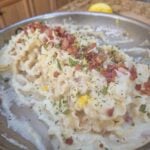
Tubettini Pasta Salad (Italian pasta fredda)

Tubettini Pasta Salad (Italian pasta fredda)

This post may contain affiliate links, that help support this blog. If you make a purchase through these links, I may earn a commission—at no cost to you. For more information read my disclosure policy.

This is the kind of pasta salad I always come back to once the weather warms up—simple, fresh, and made with whatever I have in the fridge. I like using tubettini because it catches all the little bits of salumi, cheese, and dressing in every bite, and it reminds me of the easy summer meals we’d throw together without overthinking it. It’s the kind of dish that gets better as it sits, perfect for making ahead and putting out for a relaxed lunch or casual get-together.


Things to know about this Tubettini Pasta Salad (Italian pasta fredda)

  • The meats are cut small, about the size of the pasta—nothing chunky
  • It’s olive oil based, never creamy
  • It should feel balanced, not heavy or overloaded
  • Served at room temp or slightly chilled, not ice cold
  • This is the kind of dish you’d see packed for a beach day or put out for a casual summer lunch. It’s flexible—everyone kind of makes their own version based on what they have.

Optional Add-Ins 

  • Cubed provolone for a sharper bite
  • Marinated artichokes
  • Roasted red peppers
  • A handful of arugula right before serving

Storage

Store any leftovers in an airtight container in the refrigerator for up to 3 days. Before serving, let it sit at room temperature for about 15–20 minutes and give it a quick toss with a drizzle of olive oil to refresh the flavors, as the pasta will absorb some of the dressing.

If you love simple, authentic Italian summer recipes like this, you’ll want to try a few more of my favorites. Check out my Italian lemon  pasta al limone,  or classic Italian pasta Portofino on the blog for more fresh, seasonal inspiration. And if you make this Tubettini Pasta Salad (Italian pasta fredda) please leave me a comment I love hearing from you . It’s my favorite part!!!!

Tubettini Pasta Salad (Italian Pasta Fredda)

This authentic Italian tubettini pasta salad is loaded with fresh mozzarella, tomatoes, and savory Italian meats, all tossed in a simple olive oil dressing. The perfect light and flavorful summer pasta fredda for gatherings, picnics, or easy weeknight meals.

  • 12 oz, Tubettini (You can use any small shaped pasta)
  • 1 cup cherry tomatoes (cut in half)
  • 1 cup fresh mozzarella ( cubed or pearls)
  • 1 cup each mixed Italian meats, diced: (salami mortadella prosciutto )
  • 1/2 cup pitted kalamata olives
  • 1/2 cup chopped red onion
  • 1/2 cup torn fresh basil leaves

EASY Italian vinaigrette

  • 1 cup extra virgin olive oil
  • 1/3 cup red wine vinegar
  • 1 Tsp lemon juice
  • 1 clove minced garlic
  • 1 Tbsp. dried oregano
  • 1 Tbsp. dried basil
  • 1 tsp. Dijon mustard
  • 1 Tsp. honey
  • salt and pepper to taste
  1. Cook the tubettini in salted water until al dente.

  2. Drain and spread it out so it cools completely.

  3. In a large bowl, combine tomatoes, mozzarella, meats, olives, and onion.

  4. Add the cooled pasta.

  5. Toss with the Italian vinaigrette

  6. Fold in basil at the end.

  7. Let it sit about 30 minutes before serving.

Instructions for the Vinaigrette

  1. Add all of the ingredients to a glass jar with a lid shake variously until dressing is emulsified

Main Course, Salad, Side Dish
Italian
pasta, Italian, Salad


Authentic Pasta al Limone (Italian Lemon Pasta)

Authentic Pasta al Limone (Italian Lemon Pasta)

This post may contain affiliate links, that help support this blog. If you make a purchase through these links, I may earn a commission—at no cost to you. For more information read my disclosure policy.

There’s a reason Pasta al Limone is so closely tied to the Amalfi Coast—this stretch of southern Italy is famous for its incredibly fragrant lemons, grown right along the cliffs overlooking the sea. Those lemons are the heart of this dish, and once you taste it made the right way, you understand why.

I’ve always been drawn to recipes like this—simple, ingredient-driven, and rooted in tradition. And living in California, it feels even closer to home—we have a Meyer lemon tree in our garden, and when it’s full, this is one of the first dishes I reach for. The flavor is a little softer and slightly sweeter than traditional Italian lemons, but it works beautifully here.

No garlic, no cream—just the classic balance that makes this dish feel light, silky, and full of bright lemon flavor.

Things to know about this Authentic Pasta al Limone (Italian Lemon pasta)

Authentic Pasta al Limone is all about balance. The biggest mistake is adding too much lemon juice—this isn’t meant to be sharp or sour. The zest is where most of the flavor and aroma come from, while the juice should stay in the background.

Also, the “creaminess” in this dish doesn’t come from cream—it comes from properly emulsifying the pasta water with the butter or olive oil and cheese. If your sauce ever feels too tight or dry, just add a splash of pasta water and toss again. It should look glossy, not heavy.

And if you’re using Meyer lemons from your garden, keep in mind they’re naturally sweeter and less acidic than traditional Italian lemons, so you may need slightly less juice to keep everything balanced.

If you love simple, ingredient-driven Italian recipes like this Pasta al Limone, you might also enjoy a few other favorites from the blog:

You can find all of these recipes (and more) on the blog—perfect for building a collection of simple, authentic meals you’ll come back to again and again.


Authentic Pasta al Limone (Italian Lemon Pasta)

Authentic Pasta al Limone made the Italian way—no cream, just lemon, butter, cheese, and pasta water for a silky, bright, and easy lemon pasta recipe.

  • 12 oz, pasta (Use your favorite shape, )
  • 2 large lemons (juice and zest)
  • 3 Tbsp. butter
  • 1/2 cup freshly grated Parmigiano Reggiano
  • 1 cup pasta water (make a habit to reserve more than the recipe calls for)
  • salt and fresh black pepper to taste
  • 1 tsp red pepper flacks (optional)
  • fresh basil (for serving)
  1. Boil the Pasta

    Bring a large pot of salted water to a boil. Cook pasta until al dente.Before draining, reserve at least 1 cup of pasta water.

  2. . Build the Base

    In a large skillet over low heat, melt the butter (or warm the olive oil).Add lemon zest red pepper flakes if using and gently heat—don’t let it brown.

  3. Create the Sauce

    Add a splash (about ¼ cup) of reserved pasta water to the skillet. Stir to combine and create a light emulsion.

  4. Add the Pasta

    Transfer the drained pasta directly into the skillet. Toss well to coat.

  5. Finish with Lemon & Cheese

    Remove from heat. Add lemon juice and grated cheese, tossing continuously .Add more pasta water as needed until the sauce becomes glossy and creamy.

  6. Season & Serve

    Taste and adjust salt and pepper. Serve immediately with extra cheese and a little more lemon zest on top.

Main Course
Italian
pasta, Italian, lemon


Authentic Pasta Portofino – Simple Pesto Tomato Pasta

Authentic Pasta Portofino – Simple Pesto Tomato Pasta

This post may contain affiliate links, that help support this blog. If you make a purchase through these links, I may earn a commission—at no cost to you. For more information read my disclosure policy.

There’s something about the Italian Riviera that changes the way you cook. The food is lighter, brighter, and built on ingredients that don’t need much help. This Pasta Portofino is exactly that.

Inspired by the coastal village of Portofino, this dish brings together the bold freshness of basil, the sweetness of ripe tomatoes, and the richness of good olive oil. It’s often described as a cross between a tomato sauce and Pesto alla Genovese—but simpler, looser, and meant to taste like summer.

No cream. No mozzarella. Just real ingredients, handled the right way.

Things to know about this Authentic Pasta Portofino – Simple Pesto Tomato Pasta

What Makes This Dish Authentic

  • No cream — the sauce is emulsified with olive oil and pasta water
  • No mozzarella — cheese is used sparingly and intentionally
  • Basil is the star — not cooked down, but folded in fresh
  • Simple technique — nothing heavy, nothing overworked

This is the kind of dish that relies on ingredient quality more than anything else.


Tips for the Best Flavor

  • Use the best olive oil you have—it matters here
  • Don’t over blend the basil; texture is part of the dish
  • Salt your pasta water well—it’s your first layer of seasoning
  • Add pasta water gradually—you’re looking for a light coating, not a heavy sauce

Serving

Serve immediately, with extra Parmigiano Reggiano on the side and maybe a glass of crisp white wine. This is a dish that doesn’t wait—and doesn’t need anything else.


Final Note

This isn’t about perfection. It’s about balance—fresh, simple, and coastal. The kind of pasta that feels like it came straight out of a small kitchen overlooking the sea in Portofino.

Craving More Simple Italian Recipes?

If you loved this Pasta Portofino, you’ll want to keep that fresh, coastal flavor going. Try some of my other go-to recipes that bring the same simple, ingredient-first approach to the table:

Head over to the blog to explore more recipes made with real ingredients and simple techniques—just the way Italian cooking should be.


Authentic Pasta Portofino – Simple Pesto Tomato Pasta

A fresh and authentic Pasta Portofino recipe inspired by Portofino. Made with basil, cherry tomatoes, olive oil, and Parmigiano Reggiano—no cream, just simple Italian flavor ready in minutes.

  • 12 oz. spaghetti
  • 2 cups cherry tomatoes (cut in half)
  • 2 cloves minced garlic
  • 1/3 cup extra virgin olive oil
  • 1 cup fresh basil leaves (packed cup)
  • 1 cup pasta water
  • 1/3 cup pine nuts
  • 1/2 cup Parmigiano Reggiano (freshly grated)
  • salt and fresh cracked black pepper to taste
  1. Cook the pasta

    Bring a large pot of well-salted water to a boil. Cook pasta until al dente. Reserve 1 cup of pasta water, then drain.

  2. Build the base

    In a large skillet, heat the olive oil over medium-low heat. Add garlic and cook gently for 1–2 minutes until fragrant (do not brown).

  3. Cook the tomatoes

    Add cherry tomatoes and a pinch of salt. Cook 6–8 minutes until softened and slightly broken down, creating a light sauce.

  4. Make the pesto (rustic)

    Using a mortar and pestle (preferred) or quick pulse in a processor, combine:

    Keep it textured, not fully smooth.

    basil pine nuts Parmigiano Reggiano

  5. Combine

    Add drained pasta to the skillet with tomatoes. Toss to coat.

    Add: 2–3 tablespoons of the pesto mixture splash of reserved pasta water

    Toss continuously until the sauce becomes light, glossy, and emulsified.

  6. Finish

    Remove from heat. Add black pepper and an extra drizzle of olive oil. Adjust salt if needed.

    Serve immediately with additional Parmigiano Reggiano.

Main Course
Italian
pasta, tomato, Portofino, Italian


Thin No-Knead Focaccia Rolls (Light &Crispy)

Thin No-Knead Focaccia Rolls (Light &Crispy)

This post may contain affiliate links, that help support this blog. If you make a purchase through these links, I may earn a commission—at no cost to you. For more information read my disclosure policy.

After years of making focaccia in restaurant kitchens, I got used to the classic version—rich with olive oil, thick, and deeply golden. But at home, I started leaning toward something simpler.

These thin focaccia rolls are exactly that.

No kneading, no heavy oil, just flour, water, yeast, a touch of honey, and a technique that does all the work for you. The stretch-and-fold method builds structure without effort, creating a dough that bakes up light, slightly crisp, and incredibly versatile.

They’re thinner than traditional focaccia, a little more understated, and perfect when you want the flavor of fresh bread without the richness of a heavily oiled dough.


Things to know about this Thin No-Knead Focaccia Rolls (Light &Crispy)

What Makes These Different

  • No kneading required
  • Made with a stretch-and-fold method
  • Minimal olive oil (just a light drizzle before baking)
  • Thinner, lighter texture
  • Clean, simple ingredient list

Tips for Success)

  • This is a yeast dough—give it time to rise fully
  • No kneading needed—the folds do the work
  • Keep hands slightly damp to handle the dough easily
  • Press them thin on purpose—they will puff slightly as they bake
  • Minimal oil is intentional—this keeps them light, not rich
  • Serving Ideas
  • Perfect for light sandwiches
  • Serve warm with soup or salad
  • Tear and dip in olive oil or sauces
  • Use as an everyday bread alternative

Storage

  • Room temp: up to 2 days
  • Reheat: 350°F for 5–7 minutes
  • Freeze: up to 2 months
  • If you’re craving a thicker, more traditional version, check out my Classic Focaccia Breadit’s soft, airy, and more olive oil-forward.

    You can also pair these rolls with:

    Save this recipe, share it, and let me know how you use your focaccia rolls—I especially love seeing how you turn them into sandwiches.


Thin No-Knead Focaccia Rolls (Light, & Crispy )

These thin focaccia rolls are made with a simple yeast dough and a no-knead stretch-and-fold method. Light, crisp, and not oil-heavy—perfect for sandwiches or serving.

  • 4 cups all purpose flour
  • 2 cups warm water
  • 2 1/4 tsp active dry yeast (1 packet)
  • 2 tsp. honey
  • 2 tsp. salt
  • olive oil for drizzling before baking
  • Optional: flaky salt or herbs
  1. Activate the yeast

    In a bowl, combine warm water, honey, and yeast. Let sit 5–10 minutes until foamy

  2. Mix the dough

    Add flour and salt. Mix until a shaggy, sticky dough forms. Cover with a damp towel and let rest 10 minutes.

  3. Stretch and fold (3 rounds)

    Instead of kneading, you’ll build structure gently:

    Cover and rest 10 minutes

    Repeat this process 3 times total

    Wet your hands slightly Pull one side of the dough up and fold it over itself Rotate the bowl and repeat 3–4 times

  4. First rise

    After the final fold, cover and let rise 1–1.5 hours, until doubled.

  5. Shape into thin rolls

    Transfer dough to a lightly floured surface .Divide into 8–10 portions and gently shape. Place onto a sheet pan and press each one down so they’re thin and slightly flattened (about ½ inch thick).

  6. Second rest

    Cover loosely with the damp towel and let rest 20–30 minutes.

  7. Finish & bake

    Lightly dimple the surface with your fingertips .Drizzle just a small amount of olive oil over each roll.

    Bake at 400°F for 25 – 30 minutes, until lightly golden.

    180

Main Course
Italian
focaccia, bread, rolls


Authentic Italian Stuffed Tomatoes with Rice and Potatoes (Roman Recipe)

Authentic Italian Stuffed Tomatoes with Rice and Potatoes (Roman Recipe)

This post may contain affiliate links, that help support this blog. If you make a purchase through these links, I may earn a commission—at no cost to you. For more information read my disclosure policy.

This dish goes back to Roman home cooking, where simplicity wasn’t a trend—it was survival and tradition. Pomodori Ripieni di Riso (stuffed tomatoes with rice) became especially popular in and around Rome and Lazio as a way to stretch seasonal summer produce into a full, satisfying meal.

Farmers and home cooks would hollow out ripe tomatoes at peak season, using every bit of the fruit—juice, pulp, and all—to season uncooked rice. As it baked slowly in the oven, the rice absorbed the tomato’s natural sweetness while olive oil, garlic, and basil built layers of flavor. Nothing was wasted, and nothing was complicated.

The addition of potatoes baked underneath is a classic Roman touch. They act almost like a built-in side dish, soaking up the tomato juices as everything roasts together into one unified pan.

What you get is a dish that feels humble but deeply intentional—rooted in old-world Italian cooking where seasonal ingredients and patience did all the work.


Things to know about this Authentic Italian Stuffed Tomatoes with Rice and Potatoes (Roman Recipe)

What to Look For

  • Rice fully cooked and fluffy inside
  • Tomatoes slightly wrinkled and jammy
  • Potatoes deeply golden and infused with tomato juices
  • How to Serve 

  • Best at room temperature (this is very Italian)
  • Drizzle with a little fresh olive oil before serving
  • Spoon those potatoes right alongside—don’t leave them behind
  • Pro Tips

  • Don’t skip the resting time for the rice
  • Use ripe but sturdy tomatoes so they hold their shape
  • If the pan looks dry halfway through, add a splash of water or more olive oil
  • Let them sit 10–15 minutes before serving so everything settles
  • Storage

  • Fridge: up to 3 days

  • Reheat gently or enjoy cold/room temp

  • Flavor actually gets better the next day

  • If you loved these authentic Roman stuffed tomatoes, you’ll want to explore more simple Italian dishes that let seasonal ingredients shine.
  • If you make this recipe, leave a comment and let me know how it turned out—or tag me so I can see your version straight from the oven 🍅


Authentic Italian Stuffed Tomatoes with Rice and Potatoes (Roman Recipe)

Authentic Italian stuffed tomatoes filled with rice, garlic, and basil, roasted with potatoes until tender and flavorful—just like in Rome.

  • 6 medium tomatoes (firm)
  • 1 cup uncooked short grain rice (Arborio )
  • 2 cloves garlic (minced)
  • 1/3 cup basil (torn)
  • 3 Tbsp olive oil
  • 2-3 medium potatoes (cut into medium dice)
  • salt and pepper to taste
  1. Prep the Tomatoes

    Cut the tops off and set aside. Scoop out the pulp and juices into a bowl.Salt the inside of each tomato and place them upside down for about 20 minutes to drain.

  2. Make the Rice Filling

    Crush or blend the tomato pulp until slightly smooth. Add:

    Mix and let it sit for at least 15 minutes.👉 This step is key—the rice absorbs all that tomato flavor before baking

  3. Prep the Potatoes

    Slice the potatoes thin or into medium dice Toss with:

    Spread them in the bottom of your baking dish.

  4. Stuff & Assemble

    Fill the tomatoes with the rice mixture (don’t pack tightly).Place them directly on top of the potatoes .Add the tomato tops back on and drizzle everything with a little more olive oil.

  5. Roast

    Bake at 375°F (190°C) for 50–60 minutes, until:

    the rice is tender the tomatoes are soft and slightly caramelizedthe potatoes are golden and crispy on the edges

Main Course
Italian
authentic Italian stuffed tomatoes with rice and potatoes”


15 Weeknight Italian Meals: Easy Recipes in Under 45 Minutes

15 Weeknight Italian Meals: Easy Recipes in Under 45 Minutes

This post may contain affiliate links, that help support this blog. If you make a purchase through these links, I may earn a commission—at no cost to you. For more information read my disclosure policy.

Weeknight cooking doesn’t need to be complicated to be good. Some of the best Italian meals are built on simple ingredients, cooked well, and brought to the table without overthinking it.

This is the kind of food you make when you want something real—pasta that comes together in one pan, sauces that don’t take all day, and meals that feel comforting without being heavy. It’s not about perfection, it’s about flavor, timing, and knowing a few go-to recipes you can rely on.

Inside this 15 weeknight Italian meals guide, you’ll find a collection of easy weeknight Italian meals—from quick pastas and skillet dinners to cozy baked dishes and fresh, seasonal sides. Everything here is designed to work in real life, with recipes you can make in under 45 minutes and come back to again and again.


Lemon Asparagus Ricciarelle Pasta

Light, fresh, and full of spring flavors! This Lemon Asparagus Pasta features tender sautéed asparagus, bright lemon sauce, and Parmesan, perfect for an easy weeknight dinner or elegant spring meal.

GO TO RECIPE

One-Pot Creamy Zucchini Pasta (Pasta e Zucchini)

This one-pot creamy zucchini pasta is a traditional Italian recipe where pasta cooks directly with zucchini, onion, and olive oil, creating a naturally creamy sauce with Parmesan and pasta starch.GO TO RECIPE

Spicy pasta Norcina  Spicy Italian sausage pasta

Spicy pasta alla norcina is an Italian pasta dish made with sausage in a creamy cheese sauce. There are different variations, some have mushrooms or different cured meats. The recipe is easy to make and takes about as much time to make as it takes the pasta to cookGO TO RECIPE

Pesto tortellini pasta salad

If you’re looking for the perfect summer pasta salad,  this pesto tortellini pasta Salad is one of my favorites. Full of Mediterranean flavors and hearty enough to be a meal on its own, it’s one of those dishes that always disappears quickly when ever I bring it  to potlucks, or Sunday lunches.GO TO RECIPE

Authentic Italian Pasta e Fagioli

Authentic Pasta e fagioli is a humble, hearty and soul- warming Italian pasta dish that brings back vivid  childhood memories of the smell of simmering beans, tomatoes, and garlic. for many Italian families, pasta e fagioli was the meal that could feed everyone on a tight budget. It’s the ultimate ” cucina povera” dish- poor kitchen.GO TO RECIPE

Air Fryer Parmesan chicken Spiedini

Air fryer parmesan chicken spiedini are Italy’s version of skewers or kabobs. In this spiedini recipe boneless, skinless chicken thighs are marinated in a blend of Italian spices, cooked in the air fryer, and basted with a delicious garlic, parmesan butter sauce.GO TO RECIPE

Chicken Meatballs with marry me orzo

Tender chicken meatballs are always a hit at the dinner table, and when you pair them with creamy Marry Me Orzo, you’ve got the ultimate comfort meal. This dish brings together juicy baked chicken meatballs and orzo pasta simmered in a rich Parmesan and sun-dried tomato cream sauce. It’s the kind of meal that feels special enough for date night yet easy enough for a weeknight family dinner.GO TO RECIPE

Pollo al Limone Italian lemon chicken

Lemons are in peak season right now, and there’s no better way to celebrate their bright, zesty flavor than with this Italian Lemon Chicken. Known as Pollo al Limone, this dish is simple, rustic, and full of Southern Italian charm. With a golden sear, a light pan sauce, and a fresh lemon-parsley drizzle, it’s the kind of meal that tastes like summer.GO TO RECIPE

Best cod Francese Recipe- in 30 minutes

Best Cod Francese Recipe – in 30 Minutes is a lightly battered, pan-fried cod fillet in an elegant lemon, butter and  white wine sauce. It’s similar to chicken piccata—but without the capers and with a velvety, lemon-butter sauce that clings to the golden crust. Cod Francese is a classic restaurant-style dish that’s surprisingly simple to make at home. The hallmark is the light coating of flour and egg that gives the fish a delicate, crisp texture—perfect for soaking up that tangy, buttery sauce.GO TO RECIPE

Shrimp spaghetti with basil tomato sauce

This Shrimp Spaghetti with Tomato Basil Sauce is a simple, fresh pasta dish made with sautéed shrimp, juicy summer tomatoes, garlic, and plenty of fragrant basil. The sauce is created right in the pan by combining the tomato juices with starchy pasta water and a generous handful of grated parmesan, giving you a light  flavorful coating that clings to the pasta.GO TO RECIPE https://lorianasheacooks.com/shrimp-tomato-basil-spaghetti/

Authentic Italian shrimp oreganata

Crispy, garlicky, and straight out of an Italian kitchen.
This shrimp oreganata is all about simple ingredients—olive oil, lemon, breadcrumbs, and a heavy hand with oregano—baked until golden and perfect for scooping with bread.

It’s fast, it’s bold, and it tastes like something you’d order at your favorite spot… but better at home.

GO TO RECIPE

Crispy pan fried chicken cutlets

These crispy breaded chicken cutlet recipe are pan fried and they were a staple in my  childhood growing up  and in many Italian kitchens. They ae  juicy, crispy delicious and so easy to make. Serve the cutlets along side a salad for a light lunch or dinner.GO TO RECIPE

The Best Italian-Style Fried Calamari

Golden, crispy, and impossible to stop eating.
This Italian-style fried calamari is light, crunchy, and finished with lemon and a pinch of salt—just the way it should be. No heavy batter, no fuss—just fresh squid, a quick fry, and that perfect crisp.

Serve it hot with marinara or straight up with lemon… either way, it’s gone in minutes.

GO TO RECIPE

Braised Fennel Oreganata with Pancetta

Braised fennel oreganata with pancetta is one of those simple Italian side dishes that feels both rustic and elegant — the kind of recipe that tastes like it came out of a cozy countryside kitchen. Fennel is one of my favorite seasonal ingredients to cook with this time of year. When it’s in season, it’s sweet, aromatic, and incredibly versatile, and I love finding ways to let its natural flavor shine.

GO TO RECIPE

One pan orzo with summer vegetables

Some meals just feel easy—especially when they come together in one pan. This one-pan orzo with summer vegetables is one of those simple, feel-good recipes that checks all the boxes: quick to make, minimal cleanup, and full of fresh summer flavor.GO TO RECIPE

At the end of the day, weeknight cooking should feel manageable—not like a project. These are the kinds of Italian meals you can lean on when you want something good without spending hours in the kitchen. Simple ingredients, a few solid techniques, and recipes that actually work on a busy night.

Whether it’s a quick pasta, a one-pan skillet, or something baked and cozy, this is the kind of cooking that becomes part of your routine—the meals you make without thinking twice, and the ones everyone looks forward to.

Save this guide so you always have a go-to list of easy weeknight Italian meals.

Pick a recipe to try this week, and come back when you need something new. For more simple, flavorful Italian recipes, explore the blog and find your next favorite.


Eggs Benedict Recipe with Blender Hollandaise | Easy Restaurant Style

Eggs Benedict Recipe with Blender Hollandaise | Easy Restaurant Style

This post may contain affiliate links, that help support this blog. If you make a purchase through these links, I may earn a commission—at no cost to you. For more information read my disclosure policy.

This is our classic diner-style Eggs Benedict—simple, rich, and made the way we actually serve it in our kitchen.

Perfectly toasted English muffins, thick-cut Canadian bacon, soft poached eggs, and a silky blender hollandaise that comes together in minutes. This is the kind of brunch that feels like restaurant food, but you can easily make at home.

If you’ve ever been intimidated by hollandaise sauce, this version changes everything.

 What is Eggs Benedict?

Eggs Benedict is a classic brunch dish made with:

  • toasted English muffin
  • Canadian bacon (or ham)
  • poached eggs
  • hollandaise sauce

It’s all about balance: crispy, creamy, rich, and bright from lemony hollandaise.


Things to know about this Eggs Benedict Recipe with Blender Hollandaise | Easy Restaurant Style

How to Assemble Eggs Benedict

  1. Toast English muffins until golden.
  2. Warm or lightly crisp Canadian bacon.
  3. Poach eggs until whites are set but yolks are soft.
  4. Layer: muffin → bacon → poached egg.
  5. Spoon over warm hollandaise sauce.
  6. Serve immediately.

Pro Tips (this is what makes it rank + feel premium)

  • Butter must be hot for proper emulsification
  • Add butter slowly to prevent splitting
  • Use fresh eggs for best poaching results
  • Hollandaise is best served immediately
  • 🍽️ Why This Version Works

    This is the same hollandaise we use in our diner kitchen—fast, consistent, and rich every time. The blender method removes the guesswork but keeps all the classic flavor.

  • If you loved this Eggs Benedict, don’t stop at brunch 🤍
    Try our Italian Breakfast Cookies (Biscotti da Colazione) for something lightly sweet to pair with your coffee, or treat yourself to our Ciambelle Italian unfilled Donuts  for a true bakery-style morning.


Eggs Benedict Recipe with Blender Hollandaise | Easy Restaurant Style

Easy Eggs Benedict recipe made diner-style with quick blender hollandaise sauce. Rich, creamy, and perfect for brunch at home.

  • 2 English muffins (split and toasted)
  • 4 slices Canadian bacon or ham (for the eggs benedict)
  • 4 large eggs (for the eggs benedict)
  • water for poaching (for the eggs benedict)
  • 1 Tbsp vinegar or lemon juice (for the eggs benedict)
  • 1 Stick butter (For the Blender Hollandaise:)
  • 3 egg yolks (For the Blender Hollandaise:)
  • 1 Tbsp lemon juice (For the Blender Hollandaise:)
  • 2 tsp. Dijon mustard (For the Blender Hollandaise:)
  • Pinch of salt (For the Blender Hollandaise:)
  • Optional: pinch of cayenne pepper (for serving)
  1. Start by making the hollandaise so it’s ready to go. Melt the butter until fully liquid and hot. In a blender, combine egg yolks, lemon juice, Dijon mustard, and salt. Blend for about 10–15 seconds until the mixture becomes slightly thick and pale. With the blender running on low, slowly drizzle in the hot melted butter in a thin stream until the sauce becomes thick, smooth, and creamy. Taste and adjust seasoning if needed. Keep warm

  2. For the poached eggs, bring a pot of water to a gentle simmer (not boiling). Add vinegar if using. Crack each egg into a small bowl first. Stir the water to create a gentle whirlpool, then carefully slide the egg into the center. Cook for about 3–4 minutes until the whites are set but the yolk remains soft. Remove with a slotted spoon and drain.

  3. While the eggs are poaching, warm the Canadian bacon in a pan until lightly browned and heat the English muffins until golden and crisp.

  4. To assemble, place the warm bacon on each toasted and buttered muffin half, top with a poached egg, and spoon generously with warm blender hollandaise sauce. Serve immediately.

💡 Chef Notes

  • Butter must be hot to properly emulsify the hollandaise
  • Fresh eggs give the best poached shape and texture
  • Hollandaise is best served immediately—do not reheat
  • Vinegar helps stabilize poached eggs but is optional
Breakfast
Italian
Hollandaise, eggs, benedict, breakfast, brunch


Italian Braised Pork Ribs

Italian Braised Pork Ribs

This post may contain affiliate links, that help support this blog. If you make a purchase through these links, I may earn a commission—at no cost to you. For more information read my disclosure policy.

These braised pork ribs are a true comfort dish—rich, rustic, and deeply flavorful. Instead of grilling or roasting, the ribs are slowly cooked in a classic Italian sofrito of onion, carrot, and celery, then deglazed with white wine and simmered with a touch of tomato sauce. The result is incredibly tender meat that melts off the bone and a savory sauce perfect for spooning over pasta, polenta, or crusty bread.

Braised meats have long been a cornerstone of Italian home cooking, especially in regions where tougher, more economical cuts were transformed into rich, comforting meals through slow cooking. This technique—known as brasato—relies on time, gentle heat, and simple ingredients to build deep flavor.


Things to know about this Italian Braised Pork Rib recipe

Fall-apart tender ribs every time
• Built on simple, classic Italian flavors
• Perfect for Sunday dinner or special occasions
• Make-ahead friendly—the flavor gets even better

Storage

Store leftovers in an airtight container in the refrigerator for up to 3 days. Reheat gently on the stovetop or in the oven.
Freezer-friendly: Freeze for up to 2 months. Thaw overnight in the refrigerator before reheating.

What to Serve With

• Creamy polenta
• Pasta
• Crusty Italian bread
• Roasted vegetables

Tips for Success

• Don’t rush the browning—it builds deep flavor
• Keep the heat low during braising for the most tender results
• Make it a day ahead for even richer flavor

Loved this recipe? Explore more cozy Italian comfort food dishes here:
👉 Anelletti al forno Authentic Sicilian baked pasta recipe
👉 Lemon asparagus pasta recipe a Spring time favorite
👉 One pot creamy zucchini pasta a perfect weeknight meal ready in less than 30 minutes

Or head back to the blog at lorianasheacooks.com for more rustic, home-cooked Italian meals 🤍


Italian Braised Pork Ribs

Tender pork ribs braised low and slow in a classic Italian sofrito, deglazed with white wine and simmered in tomato sauce until fall-apart delicious.

  • 3 lbs. pork ribs
  • 4 Tbsp. olive oil
  • 1 cup onion (chopped)
  • 1/2 cup carrot (chopped)
  • 1/2 cup celery (chopped)
  • 1 Tbsp. garlic (minced)
  • 3/4 cup white wine
  • 1 cup chicken stock
  • 1 cup tomato sauce
  • salt and pepper to taste
  1. Sear the ribs Season the pork ribs with salt and pepper. Heat olive oil in a large Dutch oven over medium-high heat and sear the ribs on all sides until browned. Remove and set aside.

  2. Build the sofrito In the same pot, add onion, carrot, and celery. Cook until softened and fragrant, about 5–7 minutes. Stir in the garlic and cook for another minute.

  3. Deglaze Pour in the white wine, scraping up any browned bits from the bottom of the pot. Let it simmer for 2–3 minutes to reduce slightly.

  4. Braise Return the ribs to the pot and add the tomato sauce. Cover and reduce heat to low. Let simmer gently for 1½ to 2 hours, or until the ribs are tender and nearly falling off the bone.

  5. Finish and serve Sprinkle with fresh parsley before serving. Spoon the sauce over the ribs and serve hot.

Main Course
Italian
Italian, braised, porkribs, ribs


Italian Spring Stew with Artichokes, Fava Beans & Peas (Vignarola Recipe)

Italian Spring Stew with Artichokes, Fava Beans & Peas (Vignarola Recipe)

This post may contain affiliate links, that help support this blog. If you make a purchase through these links, I may earn a commission—at no cost to you. For more information read my disclosure policy.

If you’ve ever wondered what to do with fresh fava beans, this Italian spring stew is the answer.

This dish, known as vignarola, comes from Rome and celebrates everything we love about spring cooking—simple ingredients, minimal fuss, and incredible flavor. Artichokes, sweet peas, and tender fava beans are gently simmered together until soft and silky, creating a light, brothy stew that feels both rustic and refined.

This vegetarian version keeps it fresh and vibrant while still full of classic Roman flavor.


Things to know about Italian Spring Stew with Artichokes, Fava Beans & Peas (Vignarola Recipe)

  • Fully vegetarian and naturally light.
  • Should be slightly brothy, not thick.
  • Fresh fava beans taste best, but frozen works in a pinch.
  • Artichokes take the longest—cook them first.
  • Variations

    Pasta Version
    Toss the finished vignarola with short pasta and a splash of pasta water for a simple spring pasta.

    Creamy Style
    Blend a small portion of the vegetables and stir back in for a silkier texture.

    No Fava Beans?
    Substitute with edamame or extra peas.

What to Serve with Vignarola

  • Grilled or roasted vegetables
  • Crusty bread for soaking up the broth
  • Or enjoy it as a light main dish on its own
  • Storage

    • Store in an airtight container in the fridge for up to 3 days.
    • Reheat gently on the stovetop with a splash of broth or water.
    • Freezing: This stew freezes well for up to 2 months. Thaw in the fridge overnight and reheat gently on the stove.

      If you love simple, seasonal Italian cooking, this spring stew is one to keep on repeat. Save it for later, and don’t forget to try it as a pasta—it’s a game changer.

      For more classic Italian recipes, check out:

Italian Spring Stew with Artichokes, Fava Beans & Peas (Vignarola Recipe)

A classic Italian spring stew made with artichokes, fava beans, and peas. This traditional Roman vignarola recipe is fresh, simple, and full of seasonal flavor.

  • 3 Tbsp. olive oil
  • 1 cup chopped onion (you can use Spring onions)
  • 2 Tbsp. minced garlic
  • 3 artichokes (cleaned & sliced)
  • 1 cup fava beans (peeled)
  • 1 cup peas (shelled)
  • 3 cups romaine lettuce (chopped)
  • 1 cup white wine
  • 1/2-1 cup vegetable stock
  • salt and pepper to taste
  1. Build the base Heat olive oil in a large pan. Add onions and garlic. Cook until soft and fragrant.

  2. Cook the artichokes Add sliced artichokes first and cook for 5–7 minutes until they begin to soften.

  3. Deglaze Pour in white wine (if using) and let it reduce slightly.

  4. Add the vegetables Stir in fava beans, peas, and chopped romaine.

  5. Simmer Add vegetable broth, cover, and cook on low for 15–20 minutes until everything is tender and silky.

  6. Finish Season with salt and pepper. Stir in fresh mint or parsley right before serving.

Cleaning Artichokes: Fresh artichokes are beautiful but a little tricky to prep. Start by trimming the tough outer leaves and cutting off the sharp tips. Remove the stem and peel away any fibrous layers until you reach the tender heart. Slice and cook immediately to prevent browning, or toss with a little lemon juice. If you’d rather skip the prep, many grocery stores now sell pre-cleaned, trimmed artichoke hearts—perfect for a quick, no-fuss vignarola.

Side Dish
Italian
Vignarola, Italian, stew, artichokes, fava , beans


Anelletti al Forno: Authentic Sicilian Baked Pasta Recipe

Anelletti al Forno: Authentic Sicilian Baked Pasta Recipe

This post may contain affiliate links, that help support this blog. If you make a purchase through these links, I may earn a commission—at no cost to you. For more information read my disclosure policy.

If there’s one dish that captures the heart of Sicilian home cooking, it’s Anelletti al Forno. Made with tiny ring-shaped pasta, a rich ragù, sweet peas, and melty cheese, this baked pasta is as nostalgic as it is satisfying.

Unlike your typical baked ziti, this dish is layered and compact—almost like a pasta pie—meant to be sliced and served. It’s the kind of recipe that shows up at holidays, Sunday dinners, and special occasions, bringing everyone to the table.

What makes it truly special is the balance of flavors and textures: tender pasta, savory meat sauce, pops of sweetness from peas, and that golden, breadcrumb topping. It’s rustic, it’s hearty, and it’s pure Italian comfort.


Things to know about this Anelletti al Forno: Authentic Sicilian Baked Pasta Recipe

  • Undercook your pasta slightly—this keeps it from getting mushy as it bakes.
  • Let it rest before slicing—this is key for that signature “pasta cake” structure.
  • Breadcrumbs matter—they give you that classic crisp Sicilian top layer.
  • You can swap in caciocavallo or pecorino for a more traditional flavor.
  • This dish is even better the next day, making it perfect for prepping ahead.
  • Storage

    • Refrigerator: 3–4 days in airtight container
    • Freezer: 2–3 months; slice before freezing for easy portions. Reheat in oven at 350°F

For Anelletti al forno, the ideal pan is:


Anelletti al Forno: Authentic Sicilian Baked Pasta Recipe

A traditional Sicilian baked pasta made with anelletti, rich meat sauce, peas, and cheese—this Anelletti al Forno is the ultimate comforting, sliceable pasta dish perfect for gatherings.

  • 1 Lbs. Anelletti (small ring pasta)
  • 3 Tbsp 0live oil
  • 1 cup onion (chopped)
  • 1/2 Lb. Ground beef
  • 1/2 Lb. Ground pork (or Italian sausage)
  • 2 cups peas
  • 2 cups sauce
  • 2 Tbsp. Tomato paste
  • 1 cup water
  • 1/2 cup red wine
  • 1 cup grated parmesan
  • 2 cups Diced mozzarella
  • 1 cup grated breadcrumbs
  1. Cook pasta until just shy of al dente. Drain.

  2. Make sauce: sauté onion in olive oil → add meat, brown → deglaze with wine → stir in tomato paste + marinara → simmer 30 minutes

  3. Stir in peas, season to taste.

  4. Mix pasta with sauce, grated cheese, and mozzarella.

  5. Assemble:

    Grease a 9×13-inch (23×33 cm) rectangular baking dish or a 9-inch (23 cm) round springform pan for a sliceable “pasta cake. Sprinkle a layer of breadcrumbs, add pasta mixture, top with more breadcrumbs + cheese.

  6. Bake at 375°F for 50–60 minutes until golden and bubbling.

  7. Rest 10–15 min before slicing to hold shape.

Main Course
Italian
Anelletti, baked, Silician