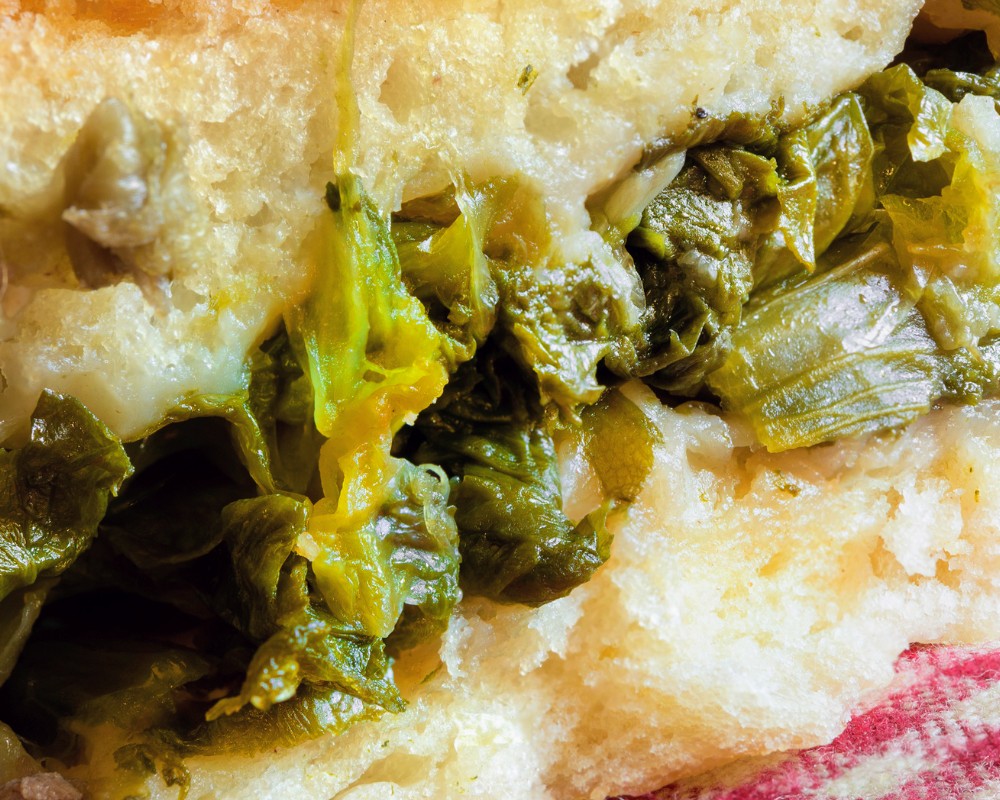
Broiled Lobster Tails for Two – Easy Recipe

Broiled Lobster Tails for Two – Easy Recipe

Looking to make a restaurant-quality lobster dinner at home? These broiled lobster tails are simple, elegant, and full of flavor. With butter, lemon, white wine, and a silky pan sauce, this recipe is perfect for any special occasion—or just a treat-yourself night.

Even if you’ve never cooked lobster before, this method is easy to follow and yields a beautifully tender, juicy lobster tail every time. By propping the meat on top of the shell and broiling just long enough, you get a gorgeous presentation and maximum flavor with minimal effort. This is a recipe that feels fancy but doesn’t require hours in the kitchen.

Things to know about this Broiled Lobster Tails for Two – Easy Recipe

  • Lobster tails cook quickly – 6–8 minutes is usually enough for 4 oz tails; overcooking will make them tough.

  • Pan sauce tip: Let the butter and wine emulsify after broiling for a silky, rich sauce.

  • Make it fancy: Garnish with fresh herbs like parsley or chives for a beautiful presentation.

  • Scaling up: This recipe can easily be doubled or tripled for a larger dinner party.

  • Tips & Variations

    • Serve with pasta, roasted vegetables, or a simple salad.

    • Garnish with lemon wedges for extra brightness.

    • Perfect for date nights, celebrations, or a special weeknight dinner.

    • Ready to complete your seafood dinner? Try pairing this broiled lobster with:

      Don’t forget to save this recipe for your next special dinner night !!

Ingredients (for 2 lobster tails)

  • 2 lobster tails (4 oz each)

  • 3 tbsp butter

  • ¼ cup white wine

  • 1 lemon sliced
  • Salt, to taste

  • Black pepper, to taste

  • Paprika (optional)

Instructions

  1. Preheat the broiler, rack about 6 inches from the heat.

  2. Add butter, lemon slices and white wine to a broiler-safe pan.

  3. Prep the lobster tails:

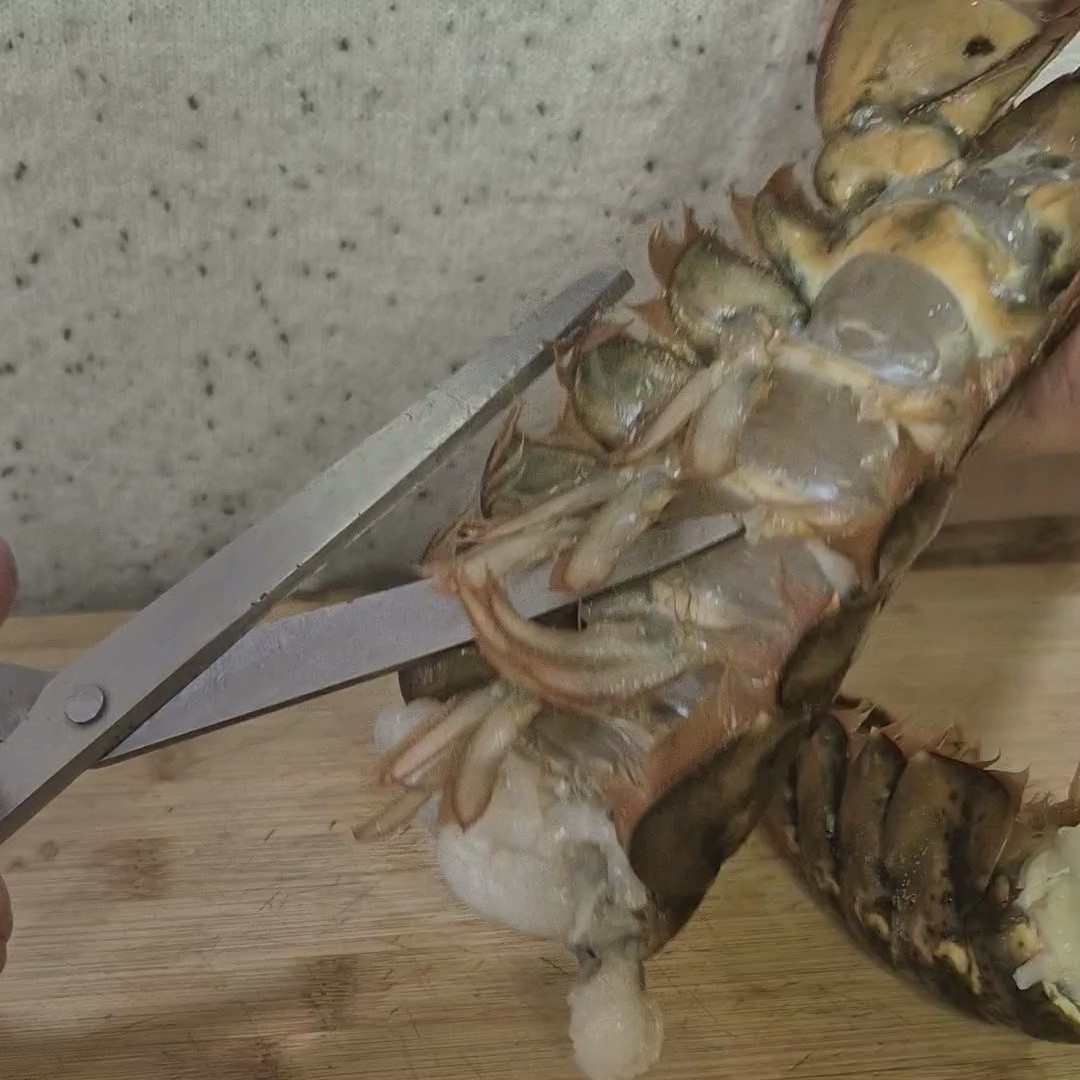
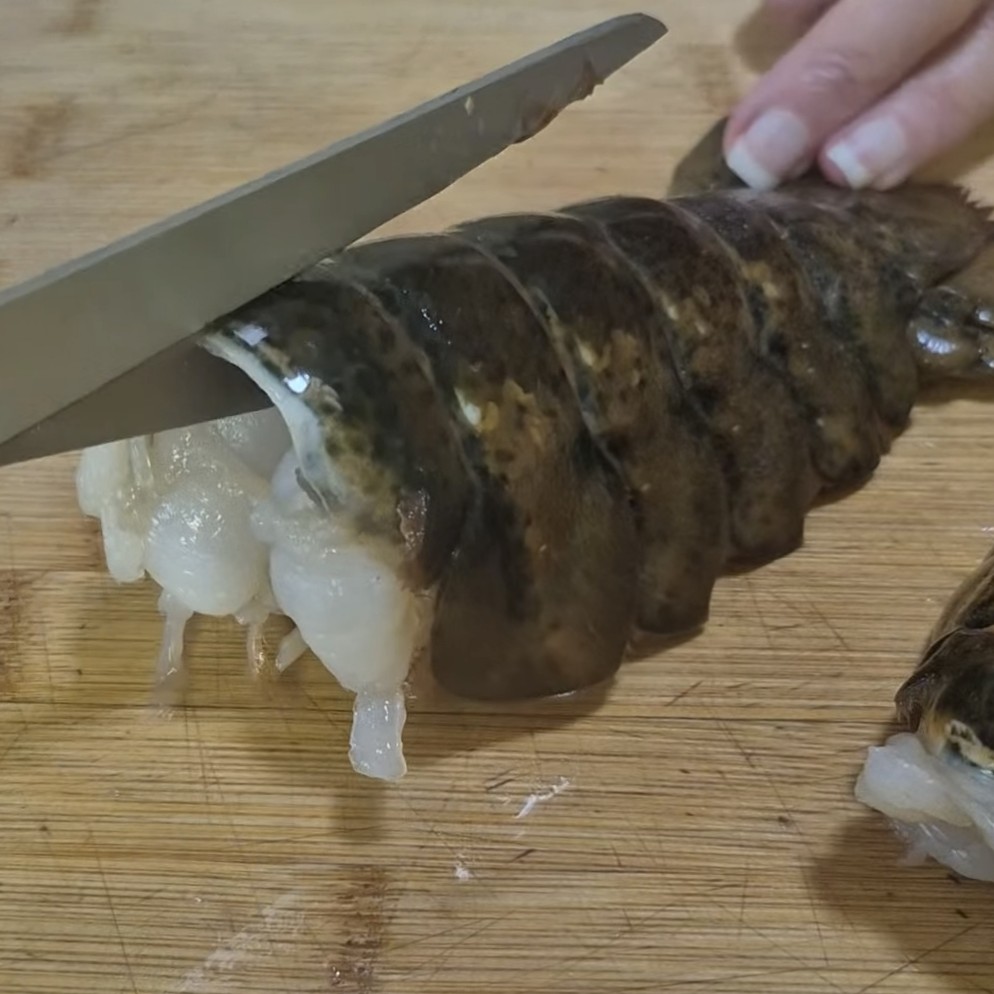
    • Cut down the center of the shell with sharp kitchen shears, or knife. Cut away the legs from underneath

    • Loosen the meat away from the shell with your finger and lift it up, resting it on top of the shell to prop it up.

  4. Season with salt, pepper, and paprika if using.

  5. Place lobster over butter, lemons and wine in the pan.

  6. Broil 6–8 minutes until the meat is opaque and lightly golden (internal temp ~140–145°F).

  7. Remove lobster,  return the pan back to the oven let pan sauce emulsify, about 5-7 minutes and spoon over before serving.
Farinata Italian Chickpeas Flatbread


Farinata Italian Chickpeas Flatbread

Farinata Italian chickpeas flatbread is one of those quietly iconic Italian foods — simple, humble, and deeply rooted in tradition. Originating in Liguria, this thin chickpea flatbread has been made for centuries using just chickpeas, water, olive oil, and salt. It began as street food, valued for being filling, affordable, and made entirely from pantry staples.

Traditionally, farinata is prepared with chickpea flour, but this version goes straight to the source by using whole dried chickpeas. After soaking and blending, the batter bakes into a flatbread with crisp, golden edges and a soft, creamy center. It’s rustic, naturally gluten-free, and a perfect example of how Italian cooking lets simple ingredients do the work.

Things to know about this Farinata Italian Chickpeas Flatbread

  • Farinata Italian chickpeas flatbread should always be thin — a thick batter will bake up dense instead of creamy.

  • Resting the batter improves both flavor and texture, so don’t skip it.

  • Using whole chickpeas creates a slightly more rustic result than chickpea flour, while staying true to tradition.

  • A hot cast iron or metal pan is key for proper browning and crisp edges.

  • Farinata is best enjoyed hot, straight from the oven, but leftovers reheat well in a hot pan.

  • Variation: Rustic Farinata (Unstrained Batter)

    For a heartier, more rustic farinata, skip straining the blended chickpea batter. The finished flatbread will be slightly thicker with more texture, while still keeping the classic crispy edges and creamy center. Just be sure the batter remains thin enough to spread easily in the pan before baking.

  • Storage & Reheating

    Farinata Italian chickpeas flatbread is best enjoyed fresh, but leftovers store well.

    • Refrigerator: Store cooled farinata in an airtight container for up to 3 days.

    • Reheating: Reheat in a hot skillet with a small drizzle of olive oil until warmed through and the edges crisp again.

    • Avoid the microwave if possible — it softens the texture and dulls the flavor.

    Farinata does not freeze well, as the texture becomes grainy once thawed.

  • If you love simple Italian recipes made from pantry staples, be sure to explore more on the blog. Pair this farinata with my
    Homemade Beef Bone Broth for a comforting meal, or serve it alongside my Italian and Italian-inspired soups for an easy, rustic spread.

    And if you make this farinata Italian chickpeas flatbread, leave a comment below or tag me on social — I love seeing how you serve it and make it your own.


 Farinata Italian chickpeas flat bread

Ingredients (serves 4–6)

Optional toppings (add sparingly):

Instructions

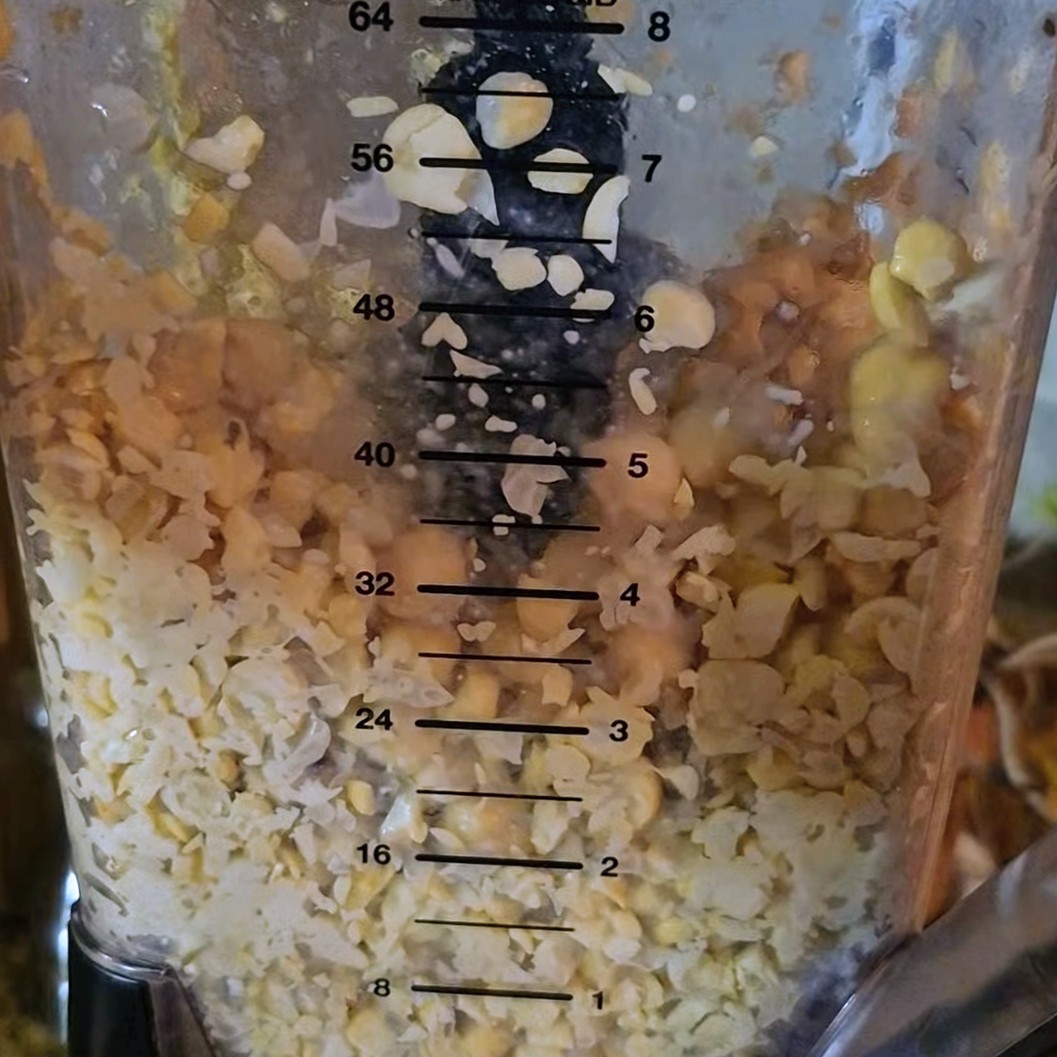
  1. Soak the chickpeas
    Soak dried chickpeas in plenty of water overnight. Drain and rinse well.

  2. Optional (but recommended for texture):
    Simmer the soaked chickpeas in fresh water for 20–30 minutes, just until tender.
    Drain and let cool slightly.

  3. Blend the batter
    Add chickpeas and 1 cup water to a high-speed blender.
    Blend until completely smooth.
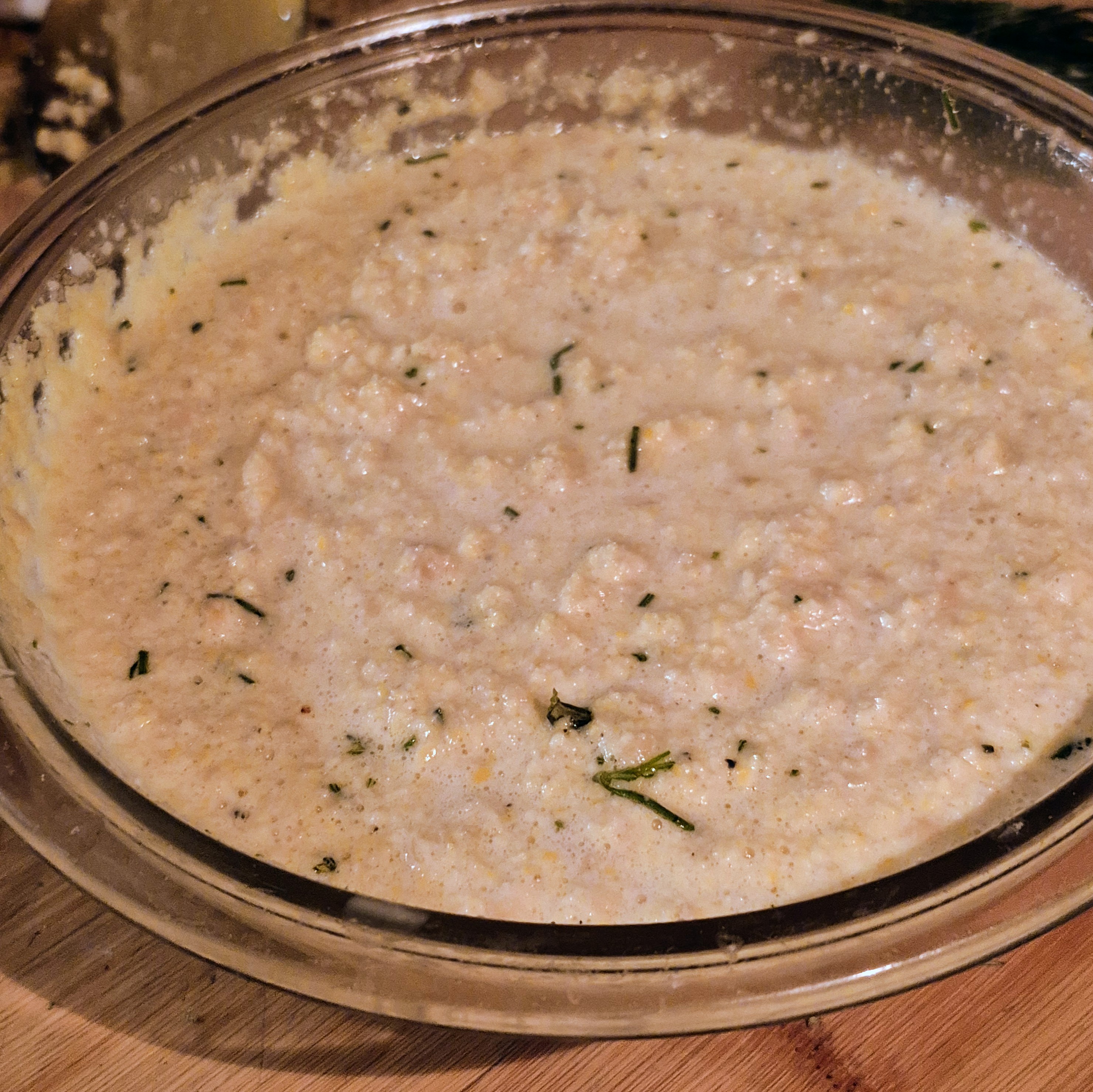
    Add more water, a little at a time, if needed — the batter should be thin, like crêpe batter, not thick like hummus.

  4. Strain for smoothness
    Strain the batter through a fine-mesh sieve for a smoother texture, or skip this step for a more rustic farinata

  5. Season and rest
    Stir in the salt.
    Cover and let the batter rest at room temperature for at least 1 hour, preferably 2–3 hours.
    Skim off any foam that forms on top.

  6. Preheat oven and pan
    Preheat oven to 425°F (
    Place a 12-inch cast iron skillet or metal baking pan in the oven to heat.

  7. Oil the pan

Carefully remove the hot pan and add 2 tablespoons olive oil, swirling to coat evenly.

Bake
Pour the rested batter into the pan (it should spread thinly).
Drizzle the remaining olive oil over the top.
Add rosemary or onions now, if using.

Cook until set and golden
Bake for 18–25 minutes, until:

  • Edges are crisp and deeply golden

  • Top has light browning

  • Center is just set and creamy

Optional: Broil for 2–3 minutes for extra char.

Serve immediately
Finish with black pepper and any fresh toppings.
Slice into wedges and serve hot.


Italian Crespelle with Parmigiano in Beef Broth

Italian Crespelle with Parmigiano in Beef Broth

This post may contain affiliate links, that help support this blog. If you make a purchase through these links, I may earn a commission—at no cost to you. For more information read my disclosure policy.

This is a traditional primo piatto made with paper-thin crespelle, a light filling of Parmigiano Reggiano, and very hot broth. When done right, it tastes comforting and simple, never heavy.

In older homes, especially in Emilia‑Romagna and central Italy, crespelle were treated like fresh pasta sheets. The batter was lean. The filling was minimal. All the richness came from the broth.

For this version, I use homemade beef bone broth made with neck bones and beef shank. It gives the dish body, clarity, and natural gelatin without needing butter or cream.

What Are Crespelle?

Crespelle are Italian crêpes, but they are not sweet. They are thinner and more delicate than breakfast crêpes and are used the same way Italians use fresh pasta.

When served in brodo, crespelle are filled lightly with Parmigiano and placed in a bowl. Hot broth is poured over just before serving so the cheese melts gently.


Things to know when making Italian Crespelle with Parmigiano in Beef Broth

  • Crespelle are unsweetened and very thin.
  • Butter is not traditional for crespelle served in broth.
  • Parmigiano should be used sparingly so the broth stays clear.
  • This dish is served as a first course, not a main soup.
  • The quality of the broth matters more than anything else.

Tips for Success

  • Use finely grated Parmigiano so it melts quickly.
  • Do not overfill the crespelle.
  • Warm your bowls before serving.
  • Add salt to the broth only at the end.

A Dish Built on Broth

Crespelle al Parmigiano in brodo is a reminder that Italian cooking values simplicity over excess. When the broth is good, everything else falls into place.

Serve it hot, eat it slowly, and let the dish be what it is.

Make the Broth First

This dish depends entirely on good broth. If you don’t already have some on hand, start there.

👉 [Homemade Beef Bone Broth with Neck Bones and Beef Shank] — a slow-simmered, clear broth that gives this dish its depth, body, and natural richness.

Once the broth is ready, these crespelle come together quickly and simply.

Italian Crespelle with Parmigiano in Beef Broth

Servings: 3–4 (primo piatto)


Crespelle Batter (No Butter)

  • 2 large eggs
  • 1 cup whole milk ((240 ml))
  • 3/4 cup all‑purpose flour ((95 g))
  • Pinch of fine salt
  • For the pan: a lightly oiled paper towel, wiped almost dry

Filling

  1. Make the BatterIn a medium bowl, whisk the eggs and milk until fully combined. Add the flour and salt and whisk until smooth. Let the batter rest at room temperature for 20–30 minutes.
  2. Cook the CrespelleHeat a 8 inch nonstick pan over medium‑low heat. Lightly wipe the surface with oil, then remove any excess.Pour about ¼ cup of batter into the pan and swirl immediately to create a very thin crespella. Cook for 30–40 seconds until set, then flip and cook for another 10–15 seconds.

    Transfer to a plate and repeat with the remaining batter. Stack the crespelle and keep them covered.

  3. AssembleLay one crespella flat and sprinkle lightly with Parmigiano Reggiano. Fold into quarters or roll gently. Place 2–3 crespelle into each warmed bowl.
  4. Serve in BrodoBring the beef bone broth to a gentle boil and taste for salt. Ladle the very hot broth over the crespelle just before serving. Serve immediately.


Classic Italian Meatball Subs

Classic Italian Meatball Subs

There are certain sandwiches that feel like home, and a good meatball sub is one of them. For us, this one goes all the way back to our very first eatery—a true hole-in-the-wall submarine shop where the subs were big, the sauce simmered all day, and nothing was fancy except the flavor.

Those meatball subs were messy, comforting, and unforgettable. They were built with tender meatballs, rich tomato sauce, crusty rolls, and just enough melted cheese to make you lean over the counter when you took that first bite. This recipe is inspired by those early days, when good food and loyal customers were all that mattered.

Things to know about Classic Italian Meatball Subs

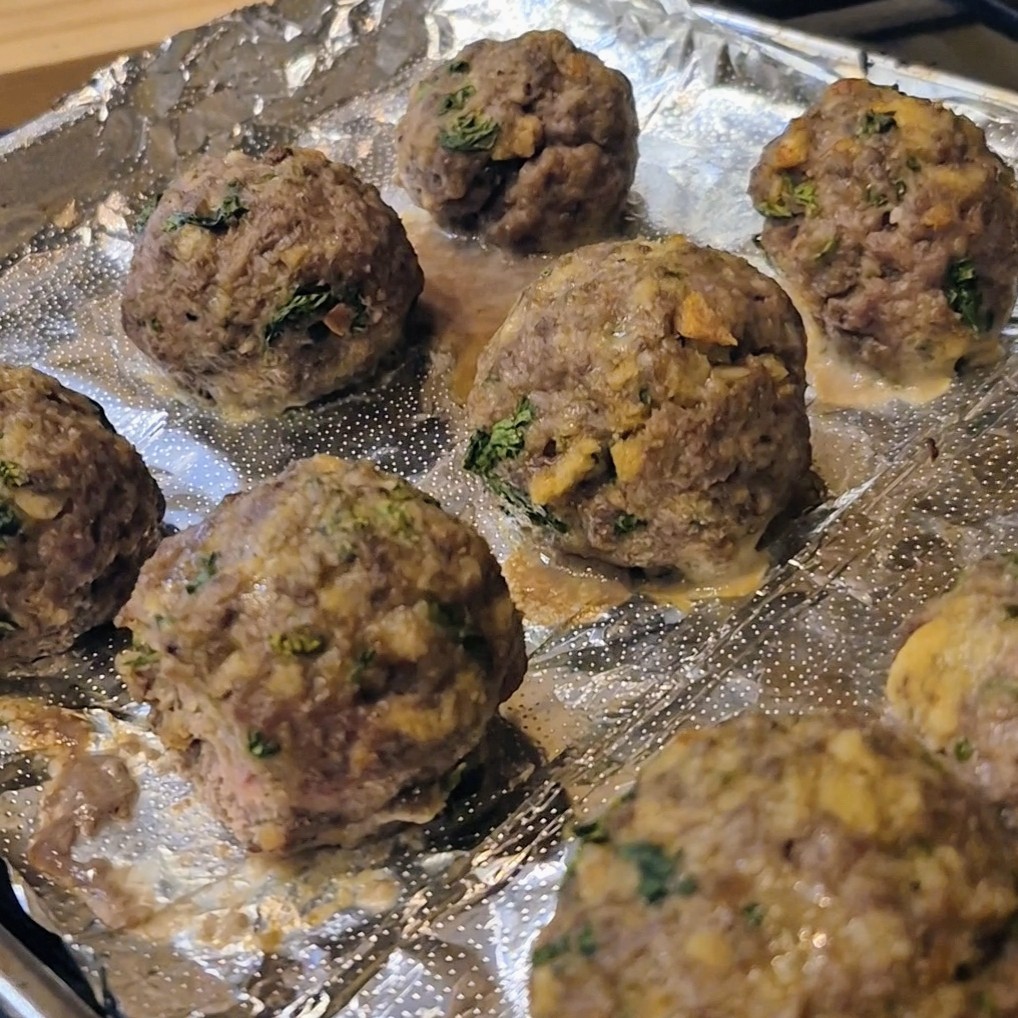
  • The meatballs are baked first at 375°F for 10–15 minutes to develop a light crust before simmering in sauce. This keeps them tender and flavorful.
  • This recipe is all about assembly. The flavor comes from using well-made meatballs and a slow-simmered sauce.
  • Toast the rolls lightly. Just enough to create a barrier so the bread doesn’t soak through.
  • Don’t overload. A few well-sauced meatballs beat an overstuffed, falling-apart sub.
  • Broiler watch. Cheese melts fast—stay close.
  • Storage & Make-Ahead Tips

    • Meatballs & Sauce: Store together in an airtight container in the refrigerator for up to 4 days.
    • Freezing: Meatballs in sauce freeze beautifully for up to 3 months.
    • Reheating: Warm gently on the stovetop or microwave before assembling subs.
    • Assembled Subs: Best eaten fresh; store components separately if prepping ahead.
  • Serving Ideas

    • Pair with a simple green salad
    • Serve with crispy fries or roasted potatoes
    • Cut into smaller portions for game day or parties

    Final Thoughts

    A great meatball sub isn’t fancy—it’s familiar, comforting, and full of love. Whether you’re feeding a crowd or just craving something cozy, this is one of those recipes that never lets you down.

    If you make these meatball subs, let me know how you do your meatballs—fried, baked, or straight into the sauce. I love hearing everyone’s version.

Talk more about your recipe here. Make sure you’re not repeating anything you said in the first section.

DO NOT PUT IMAGES IN THIS TEXT BLOCK!

Ingredients

  • Instead of repeating recipes you may already know and love, this meatball sub uses our original house meatballs and classic tomato sauce—the same ones we served back in our first submarine shop.

    Both recipes can be made ahead and actually taste even better the next day, which is exactly how we did it in the shop.


    How to Make Meatball Subs

    1. Make the Meatballs

    In a large bowl, combine breadcrumbs and milk and let it soak for a minute. Add eggs, garlic, parsley, grated cheese, salt, and pepper. Gently mix in the ground meats until just combined—don’t overwork it. Roll into evenly sized meatballs.

    2. Brown the Meatballs

    preheat the oven to 375-degrees, bake the meatballs 10 -15 minutes. You’re not cooking them through—just building flavor. set aside while making the sauce.

    3. Simmer the Sauce

    In the same pan, add olive oil and garlic. Once fragrant, stir in tomato paste, then crushed tomatoes, salt, pepper, and herbs. Nestle the meatballs into the sauce and simmer gently until the meatballs are cooked through and tender. (30- 45 minutes)

    4. Build the Subs

    Split the rolls and lightly toast if desired. Add meatballs and plenty of sauce, top with sliced cheese, and place under the broiler just until melted and bubbly.

    5. Serve

    Finish with grated cheese and fresh herbs. Serve hot—napkins required


French Onion Soup with an Italian Twist

French Onion Soup with an Italian Twist

French onion soup has always felt like the ultimate comfort food to me, but I can’t help adding an Italian touch to the dishes I love most. In my kitchen, onions are never rushed—they’re slowly caramelized the way I learned growing up, filling the house with that unmistakable, cozy aroma that signals something special is coming. For this version, I use a mix of red onions, yellow onions, and leeks, then finish the soup the Italian way—with herb focaccia and freshly grated Fontina instead of the classic baguette and Gruyère. It’s familiar yet different, rustic but comforting, and exactly the kind of soup I make when I want something simple, soulful, and meant to be shared.

Things to know about this French Onion Soup with an Italian Twist


  • A mix of yellow onions, red onions, and leeks adds natural sweetness and depth without needing sugar.

  • Fontina melts smoothly and stays creamy, making it a perfect Italian alternative to Gruyère.

  • Herb focaccia absorbs the broth while still holding its shape, giving you that perfect bite every time.

  • The soup base can be made a day ahead; add the focaccia and cheese just before serving for best texture.

  • Storage: Store leftover soup (without focaccia or cheese) in an airtight container in the refrigerator for up to 4 days.

  • Freezing: This soup freezes well without the bread and cheese. Freeze in freezer-safe containers for up to 3 months. Thaw overnight in the refrigerator and reheat on the stovetop before adding toppings.

  • Always add the focaccia and Fontina fresh just before broiling for the best texture and flavor.

  • If you love classic comfort food with an Italian twist, this French Onion Soup with an Italian Twist is a must-try. The combination of caramelized onions, leeks, herb focaccia, and melty Fontina makes it a cozy, flavorful soup perfect for any season.

    For more hearty Italian soups, explore my Creamy Sausage Tortellini Soup or Potato Leek Soup with Pancetta—both are easy to make and full of rich, comforting flavors.

    Want to try more Italian-inspired weeknight recipes? Don’t miss my Italian sausage Escarole and Beans or Spinach Ricotta Balls for quick, flavorful meals the whole family will love.

    Remember to save this French Onion Soup recipe for later and follow my blog for more Italian cooking inspiration delivered right to your inbox!

French Onion Soup with an Italian Twist

Prep Time

15 minutes

Cook Time

1 hour 10 minutes

Total Time

1 hour 25 minutes

Servings

4–6


Ingredients

Soup

  • 2 tablespoons olive oil

  • 2 tablespoons unsalted butter

  • 2 large yellow onions, thinly sliced

  • 2 medium red onions, thinly sliced

  • 2 large leeks, white and light green parts only, thinly sliced and well rinsed

  • 1 teaspoon salt, plus more to taste

  • ½ teaspoon freshly ground black pepper

  • 2 cloves garlic, minced

  • ¼ cup dry white wine

  • 6 cups beef broth (or chicken broth for a lighter version)

  • 1 teaspoon fresh thyme leaves (or ½ teaspoon dried)

  • 1 bay leaf

Topping

  • 4–6 slices herb focaccia

  • 1½ cups freshly grated Fontina cheese


Instructions

  1. Caramelize the onions
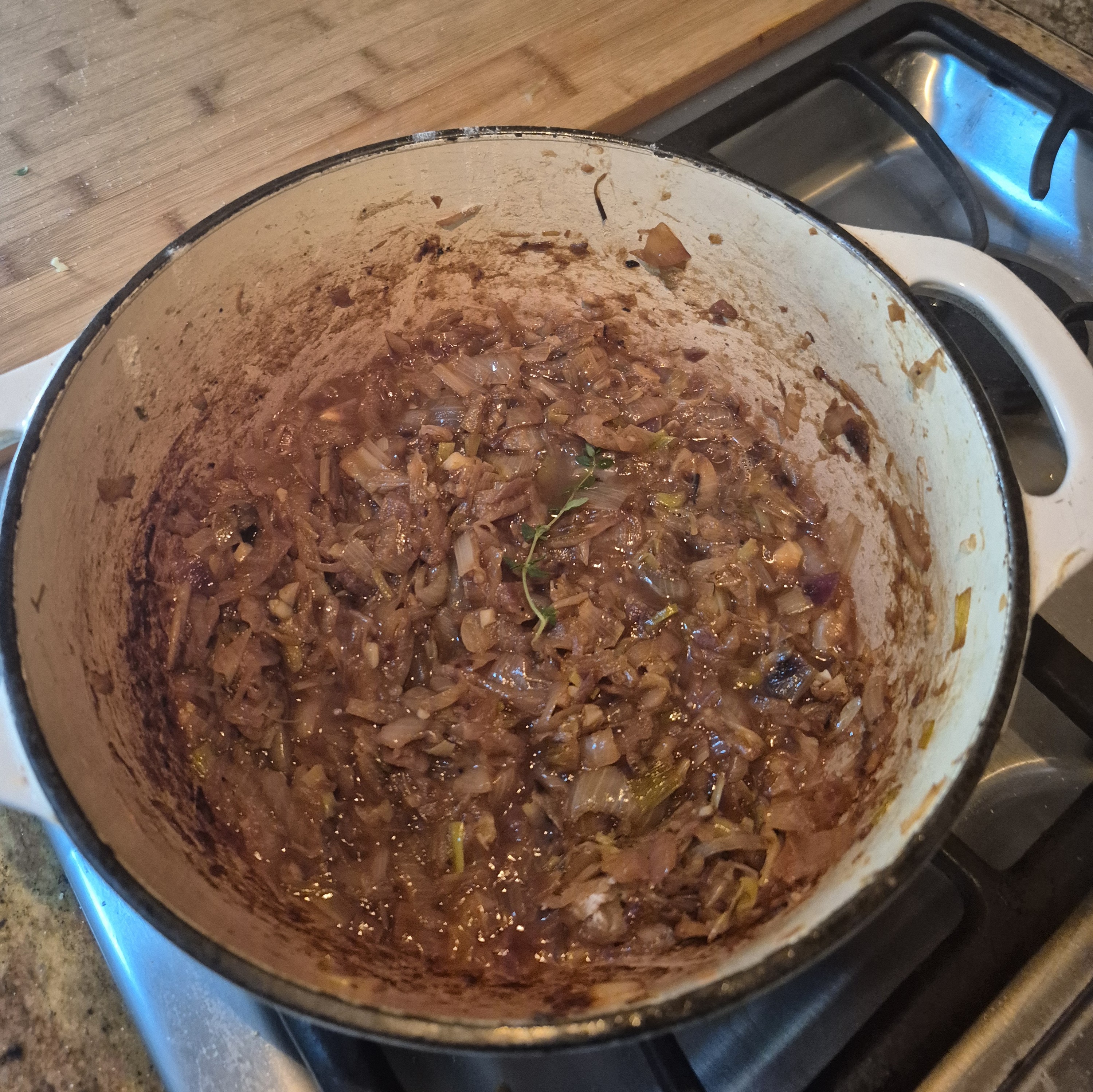
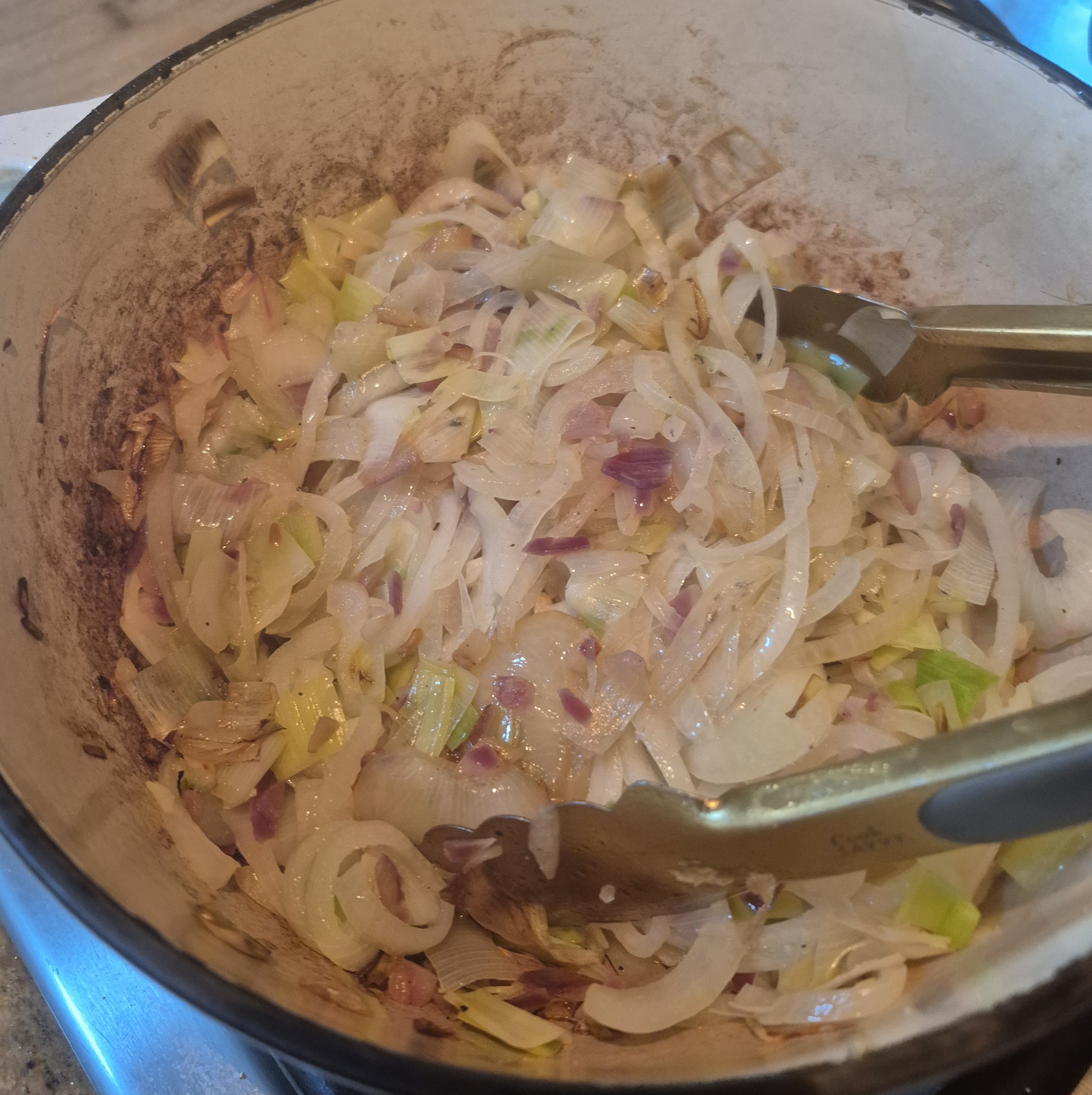
    In a large heavy-bottomed pot or Dutch oven, heat the olive oil and butter over medium heat. Add the yellow onions, red onions, and leeks. Sprinkle with salt and pepper. Cook, stirring occasionally, for 35–40 minutes, until deeply golden, soft, and caramelized. Reduce heat if needed to prevent burning.

  2. Build the flavor
    Add the garlic and cook for 1 minute until fragrant. Pour in the white wine, scraping up any browned bits from the bottom of the pot. Simmer for 2–3 minutes until slightly reduced.

  3. Simmer the soup
    Add the broth, thyme, and bay leaf. Bring to a gentle simmer, cover partially, and cook for 25–30 minutes. Taste and adjust seasoning. Remove the bay leaf.

  4. Prepare for broiling
    Preheat the broiler. Ladle the soup into oven-safe bowls and place them on a baking sheet.

  5. Add the Italian topping
    Top each bowl with a slice of herb focaccia, then generously sprinkle with Fontina cheese.

  6. Broil
    Broil for 2–4 minutes, until the cheese is fully melted, bubbling, and lightly golden. Watch closely.

  7. Serve
    Serve immediately, hot and bubbling, with extra focaccia on the side if desired.

Instructions

  1. First step
  2. Second
  3. And so on


15 Classic & Italian‑Inspired Pasta Recipes

  15 Classic & Italian‑Inspired Pasta Recipes

Why This Pasta Collection

Pasta has always been at the heart of Italian cooking and at the heart of my kitchen. From humble pantry pastas like pasta e piselli to cozy baked dishes and restaurant‑style favorites, this pillar post brings together 15 of my most popular pasta recipes already on the blog—all in one place for easy browsing.

Use this guide to:

Things to know about 15 Classic & Italian‑Inspired Pasta Recipes

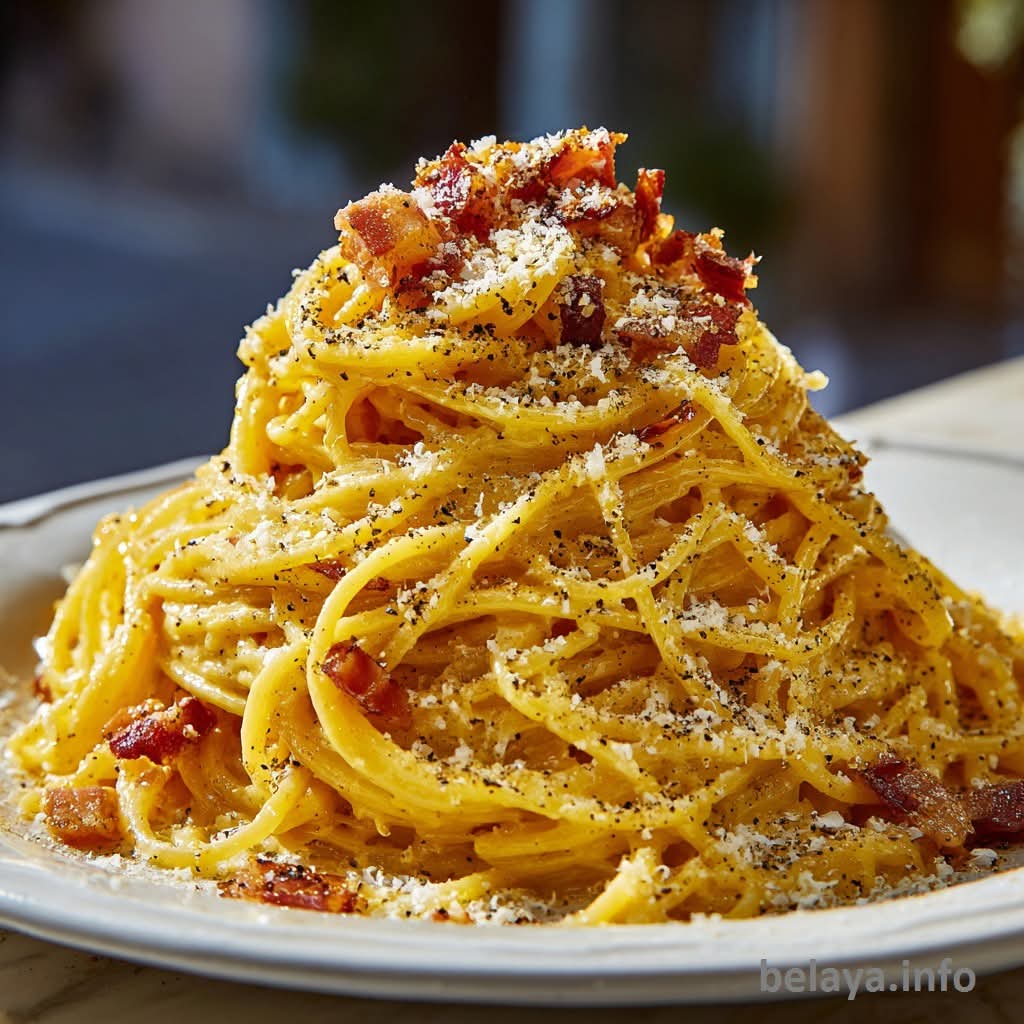
  • Pasta shapes matter: Short pastas work best for baked dishes and chunky sauces, while long pastas shine with smooth or egg‑based sauces like carbonara.
  • Salt your water well: Properly salted pasta water is essential for authentic Italian flavor—this is where the pasta gets seasoned.
  • Sauce meets pasta, not the plate: Always finish cooking pasta in the sauce so the flavors marry together.
  • Traditional doesn’t mean complicated: Many classic Italian pastas use just a handful of ingredients—quality matters more than quantity.
  • Make it your own: These recipes are rooted in tradition but flexible enough for home cooks.


Italian Broccoli Rabe Pizza

Italian Broccoli Rabe Pizza

In Southern Italy, pizza is often simple. It starts with good dough, olive oil, and what is in season. Italian broccoli rabe pizza (Cime di rapa), is a common topping and is loved for its slightly bitter flavor.

This is the kind of pizza I make at home. After many years working in restaurant kitchens, I learned that Italian cooking does not need a lot of ingredients. It needs balance. For this pizza, Italian sausage adds flavor, while cannellini beans make it hearty without feeling heavy.

Everything is cooked together in one pan before going on the pizza. The result is a rustic, olive oil–based pizza that is simple, comforting, and very Italian.

Things to know about this Italian Broccoli Rabe Pizza

  • Blanching the broccoli rabe matters
    A quick blanch removes excess bitterness while keeping its signature flavor intact.

  • Everything cooks in one pan
    Cooking the garlic, sausage, broccoli rabe, and cannellini beans together allows the flavors to layer naturally—no need to remove ingredients or overcomplicate the process

  • Cannellini beans are traditional, not modern
    Beans have long been used in Southern Italy to stretch meals and add body. Lightly mashing a few into the pan creates a natural creaminess without sauce.
    (If you enjoy beans on pizza, you may also like my Italian Escarole and Beans with Sausage post.)

  • Minimal cheese is intentional
    This pizza is olive-oil based. If you use cheese, keep it light—just enough to enhance, not dominate.
    (For dough texture that works best with oil-based toppings, use my over night Pizza Dough Recipe

Italian Broccoli Rabe Pizza

Serves: 2–4
Prep Time: 15 minutes
Cook Time: 12–15 minutes
Ingredients

  • 1 lb. (450 g) broccoli rabe, trimmed

  • 2–3 tbsp olive oil, plus more for brushing

  • 3 cloves garlic, thinly sliced

  • 1/2  tsp red pepper flakes (optional)

  • 6 oz (170 g) Italian sausage, casings removed

  • ½ cup cannellini beans, drained and rinsed

  • Salt, to taste

  • 12 oz (340 g) pizza dough (homemade or store-bought — use my [Pizza Dough Recipe] for best results)

1–2 tbsp grated Pecorino Romano

Instructions

1. Blanch the Broccoli Rabe

Bring a pot of salted water to a boil.
Blanch broccoli rabe 2–3 minutes until bright green.
Drain well and gently squeeze out excess water.


2. Build the Topping 

Heat olive oil in a skillet over medium heat.
Add garlic and red pepper flakes; sauté 30–60 seconds until fragrant.

Add sausage directly to the pan and cook, breaking it up, until browned and cooked through (5–6 minutes).

Add broccoli rabe and cannellini beans directly into the same pan.
Toss and sauté 2–3 minutes, lightly mashing a few beans so they cream into the oil and sausage fat.
Season lightly with salt. Remove from heat.

3. Prepare the Dough

Preheat oven to 500°F (260°C) with a pizza stone or baking sheet inside.
Stretch dough into a 12-inch round on parchment paper.
Brush lightly with olive oil.


4. Assemble

Evenly distribute the broccoli rabe, sausage, and bean mixture over the dough.
Optional: finish with a very light sprinkle of Pecorino Romano.
Drizzle with a touch more olive oil.


5. Bake

Slide pizza onto the hot stone or pan.
Bake 12–15 minutes, until crust is golden and crisp.
Rest 2–3 minutes before slicing.


The Ultimate Guide to Italian & Italian-Inspired Soups

The Ultimate Guide to Italian & Italian-Inspired Soups

10 Cozy, Classic Soup Recipes for Every Season

Soup has always been at the heart of Italian home cooking — simple ingredients, slow simmering, and deep, comforting flavor. Whether you’re craving a light brothy soup or something rich and hearty, this Italian soup collection brings together my most-loved recipes, many inspired by dishes I cooked in my restaurants and made at home for my family.

This guide features 10 Italian and Italian-inspired soup recipes, perfect for weeknight dinners, holidays, and cozy weekends. Bookmark this post — it’s your go-to soup resource all year long.


The Ultimate Guide to Italian & Italian-Inspired Soups

10 Cozy, Classic Soup Recipes for Every Season


🥣 Brothy & Light Italian Soups

Simple, nourishing, and perfect when you want something lighter.

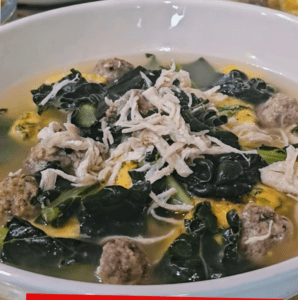
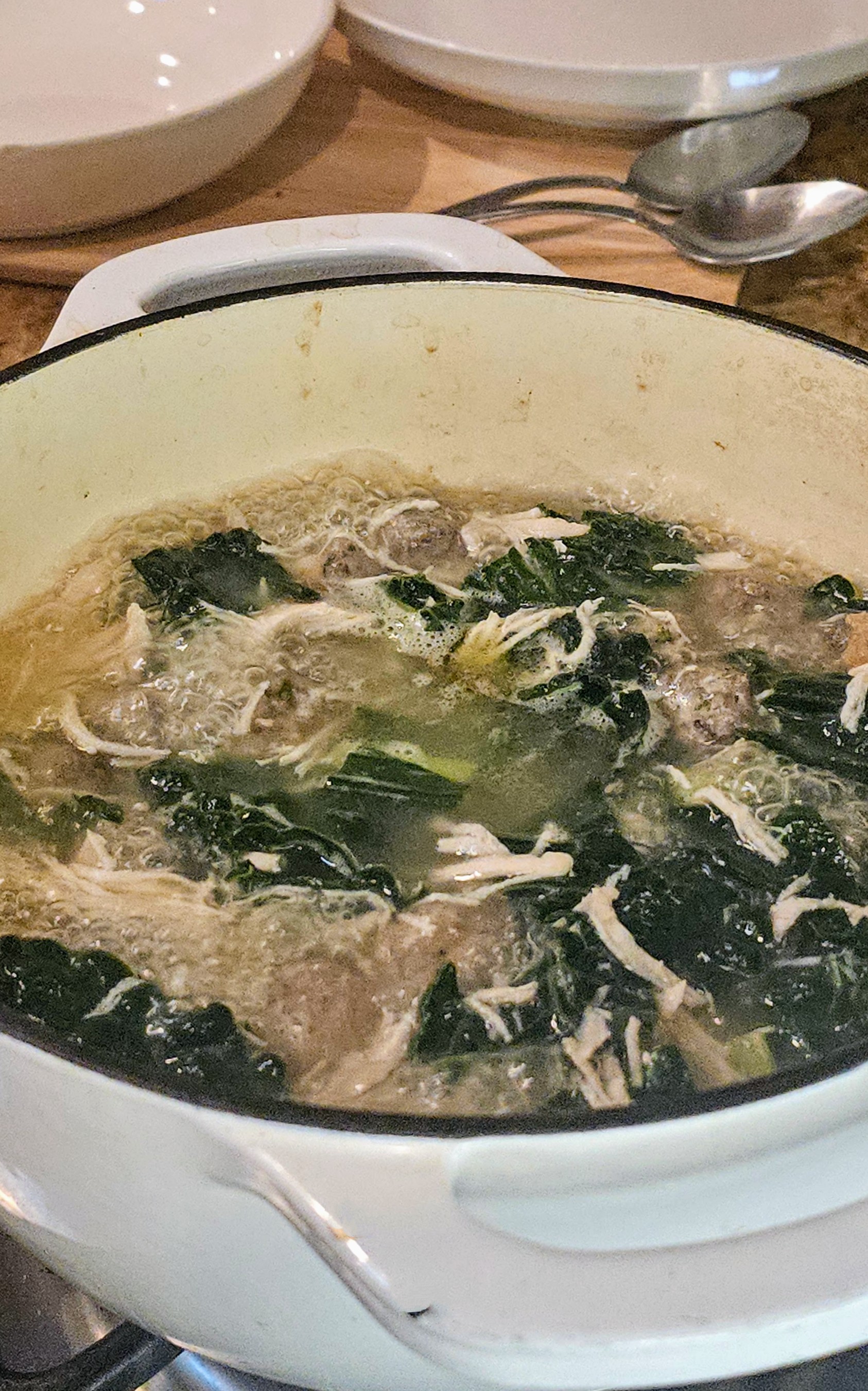
1. Italian Wedding Soup

Tender meatballs, leafy greens, and delicate pasta simmered in rich chicken broth — a true Italian classic.
➡️ Get the recipe: Italian Wedding Soup


2. Tortellini in Brodo

A Northern Italian favorite featuring cheese-filled tortellini served in hot, savory broth.
➡️ Get the recipe: Tortellini in Brodo


🍲 Hearty & Rustic Soups

These soups eat like a full meal — filling, cozy, and deeply satisfying.

3. Pasta e Fagioli

A rustic, comforting soup made with beans, pasta, and a flavorful tomato base — just like Nonna used to make.
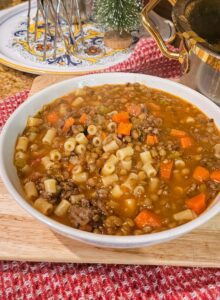
➡️ Get the recipe: Authentic Italian Pasta e Fagioli


4. Sausage & Lentil Soup

Traditionally served on New Year’s Eve for good luck, this hearty soup is rich, savory, and deeply comforting.
➡️ Get the recipe: Sausage and Lentil Soup


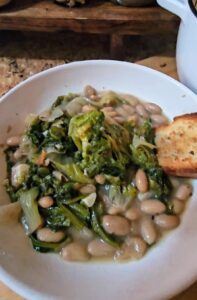
5. Escarole & Beans with Italian Sausage

A classic Italian-American soup that’s simple, nourishing, and packed with bold flavor.

➡️ Get the recipe: Italian Escarole and Beans


🧄 Creamy & Comforting Soups

Rich, velvety soups that feel like a warm hug.

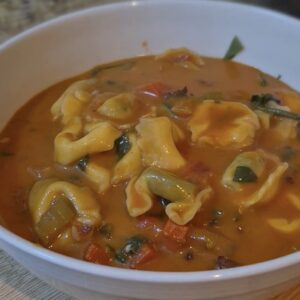
6. Creamy Sausage Tortellini Soup

A fan favorite — cheesy tortellini, Italian sausage, and a creamy broth that comes together quickly.

➡️ Get the recipe: Creamy Sausage Tortellini Soup


7. Potato Leek Soup with Pancetta

A restaurant-style classic — silky smooth with crispy pancetta for added depth and flavor.
➡️ Get the recipe: Potato Leek Soup with Pancetta


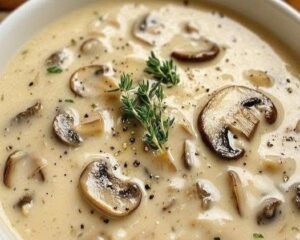
8. Vegetarian Mushroom Soup (Italian Style)

Earthy mushrooms, herbs, and a rich broth make this vegetarian soup incredibly satisfying.
➡️ Get the recipe: Italian Mushroom Soup


🎄 Holiday & Special Occasion Soups

Perfect for celebrations, traditions, and family gatherings.

9. Italian Holiday Chicken Soup

A comforting soup often served during holidays — light, flavorful, and deeply nostalgic.

➡️ Get the recipe: Italian Holiday Chicken Soup


10. Creamy Italian Bean and Parmesan soup

A hearty, old-fashioned soup that was always a staple in my restaurants — filling, budget-friendly, and perfect for leftovers.

➡️ Get the recipe: creamy Italian Bean and Parmesan soup


🧠 Good to Know

  • Most of these soups freeze beautifully

  • Brothy soups are perfect for make-ahead meals

  • Many recipes can be adapted for vegetarian or gluten-free diets

  • Homemade broth adds the best flavor, but quality store-bought works well too

  • A heavy-bottomed 8–12 quart stainless steel stockpot is ideal for making soup because it heats evenly, prevents scorching, and gives you plenty of room for simmering brothy and hearty soups alike.

🍞 What to Serve with Italian Soup

  • Crusty Italian bread

  • Garlic bread or focaccia

  • Simple green salad

  • Grated Parmigiano Reggiano


Traditional Italian Stuffed Pork Loin Roast

Traditional Italian Stuffed Pork Loin Roast

There are some dishes that instantly feel like Sunday. This traditional Italian stuffed pork loin is one of them. Long before recipes were written down, pork roasts like this were prepared in Italian homes as a way to turn a simple cut of meat into something special—aromatic, comforting, and meant to be shared around the table.

In many regions of Italy, especially central and southern areas, pork was reserved for important meals and holidays. Stuffing the roast with breadcrumbs, herbs, cheese, and a little pancetta was both practical and intentional. Nothing was wasted. Day-old bread became filling, cured pork added depth, and fresh herbs from the garden brought everything together. The roast would be tied, slowly cooked, and served with whatever vegetables were in season—often fennel, potatoes, and carrots—so the entire meal could come together in one pan.

This is not a fancy dish, and that’s exactly the point. It’s rustic, deeply flavorful, and rooted in tradition. The kind of recipe passed down by watching, tasting, and remembering. As it roasts, the pork stays juicy, the stuffing perfumes the meat from the inside, and the vegetables soak up all those incredible pan juices.

It’s the kind of meal that fills the kitchen with warmth, feeds a crowd, and somehow tastes even better the next day. A true Italian classic—and absolutely a keeper.

Things to know about this Traditional Italian Stuffed Pork Loin Roast

  • Fresh breadcrumbs matter: This stuffing relies on soft, day-old Italian bread, not dried stuffing mix. It keeps the filling light and flavorful.

  • Pecorino is traditional: Pecorino Romano pairs naturally with pork and pancetta, giving the stuffing its classic savory bite.

  • Don’t overstuff: A thin, even layer allows the pork to cook evenly and keeps the roast juicy.

  • Fennel sweetens as it roasts: The fennel mellows and becomes tender, soaking up the pork juices and complementing the stuffing beautifully.

  • Resting is essential: Letting the roast rest before slicing keeps the juices in the meat where they belong.

  • Even better the next day: Leftover slices are perfect for sandwiches, pan-searing, or adding to beans or pasta.

  • More Classic Italian Recipes You May Enjoy

Traditional Italian Stuffed Pork Loin Roast

Prep Time

25 minutes

Cook Time

1 hour 15 minutes

Total Time

1 hour 40 minutes

Servings

6–8 servings

Ingredients

  • Pork & Stuffing

  • 3–4 lb. pork loin, butterflied

  • 3 oz pancetta, finely chopped

  • 2 garlic cloves, minced

  • 1½ cups fresh breadcrumbs

  • 1/3 cup fresh parsley, finely chopped

  • 2 tbsp fresh rosemary or sage, chopped

  • ½–¾ cup Pecorino Romano, finely grated

  • 1 egg, lightly beaten

  • Olive oil

  • Salt & black pepper

  • Vegetables

  • 1–2 fennel bulbs, cut into wedges

  • 1½–2 lbs. potatoes, cut into large chunks

  • 3–4 carrots, cut into large pieces

  • 4–5 garlic cloves, smashed

  • Olive oil, salt & pepper

  • ½–¾ cup dry white wine or chicken broth


Instructions

1. Prepare the Stuffing

Heat a small pan with olive oil over medium-low heat.
Sauté pancetta until lightly rendered. Add garlic and cook just until fragrant.
Transfer to a bowl and mix with breadcrumbs, parsley, herbs, Pecorino, black pepper, and optional fennel seeds.
Stir in the beaten egg until the mixture is moist and just holds together.


2. Stuff the Pork

Lay the butterflied pork loin flat and season lightly with salt and pepper.
Spread stuffing evenly over the meat, leaving a small border.
Roll tightly and tie securely with kitchen twine every 1½–2 inches.

3. Prepare the Vegetables

Toss fennel, potatoes, carrots, and garlic with olive oil, salt, and pepper.
Spread evenly in a large roasting pan.


4. Roast

Preheat oven to 375°F (190°C).
Place the stuffed pork loin on top of the vegetables.
Pour white wine or broth around the vegetables (not over the pork).
Roast uncovered for about 25 minutes per pound, until the internal temperature reaches 140–145°F.


5. Rest & Serve

Remove from oven and rest the pork for 15 minutes before slicing.
Slice thick and serve with roasted vegetables and pan juices spooned over the top.


Pizza di Scarola: Classic Italian Savory Escarole Pie

Pizza di Scarola: Classic Italian Savory Escarole Pie

Pizza di Scarola is a classic Italian savory pie filled with tender escarole, garlic, olives, capers, and anchovies, all wrapped in soft pizza dough. Rooted in Neapolitan cooking, this humble dish has been made for generations using simple pantry ingredients and seasonal winter greens.

Traditionally, Pizza di Scarola is prepared during the Christmas season and enjoyed through Epiphany, when Italian families gather to mark the close of the holidays. Its balance of bitter greens and savory flavors reflects both the season and the rhythm of Italian home cooking, making it a recipe that feels just as comforting today as it did centuries ago.

Often served warm or at room temperature, this savory pie is meant to be shared—whether as part of a holiday table or as a simple, satisfying meal any time of year.

Things to know about this Pizza di Scarola: Classic Italian Savory Escarole Pie

  • Escarole is traditional. Its mild bitterness balances the salty olives, capers, and anchovies that define this classic pie.

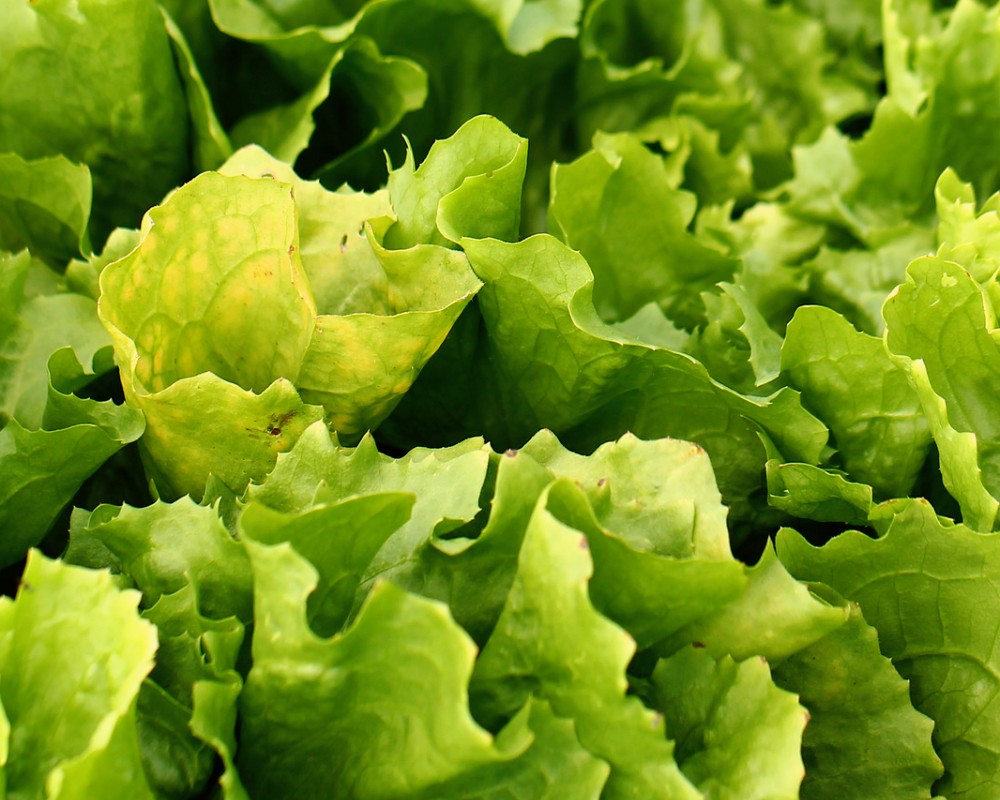
  • Substitute greens, if needed. While escarole is the authentic choice, endive, broccoli rabe, Swiss chard, or spinach can be used when escarole isn’t available. Always blanch and squeeze the greens very dry to prevent a soggy filling.

  • Anchovies melt into the filling. They don’t make the pie taste fishy—just deeply savory. You can omit them if preferred, but they are traditional.

  • Make it ahead. Pizza di Scarola is often prepared in advance and served warm or at room temperature. In fact, the flavors improve after resting.

  • Use pizza dough, not pastry. This is a bread-style pie, not a puff pastry tart—keeping it rustic and true to its Neapolitan roots.

  • Serve Pizza di Scarola as part of an Italian spread alongside a simple citrus salad, a bowl of Italian wedding soup, or one of my easy Italian cookies for dessert. It also pairs beautifully with other traditional recipes often served during the holiday season or for casual family meals.

    👉 Be sure to explore:

Pizza di Scarola (Italian Escarole Pie)

Serves: 6–8
Prep Time: 30 minutes
Cook Time: 40–45 minutes
Total Time: About 1 hour 15 minutes

Ingredients

For the dough

  • 1 lb pizza dough (store-bought or homemade), at room temperature

  • Extra virgin olive oil, for brushing

For the escarole filling

  • 2 large heads escarole, washed and chopped

  • 3 tbsp extra virgin olive oil

  • 3 cloves garlic, sliced

  • 4 anchovy fillets, chopped (optional but traditional)

  • ½ cup pitted Gaeta or Kalamata olives, chopped

  • 2 tbsp capers, rinsed and drained

  • 2 tbsp pine nuts (optional)

  • 2 tbsp raisins (optional, traditional sweet-salty touch)

  • Salt and black pepper, to taste

  • Red pepper flakes (optional)

  • Instructions

  • Prepare the escarole
    Bring a large pot of salted water to a boil. Add the escarole and blanch for 3–4 minutes until just tender. Drain well and squeeze out excess water. Set aside.

  • Cook the filling
    In a large skillet, heat olive oil over medium heat. Add garlic and sauté until fragrant. Stir in anchovies and let them melt into the oil.
    Add escarole, olives, capers, pine nuts, and raisins. Season lightly with salt, black pepper, and red pepper flakes. Cook for 5–7 minutes until well combined and flavorful. Let cool slightly.

  • Assemble the pie
    Preheat oven to 375°F (190°C). Lightly oil a 9–10 inch round baking pan.
    Divide dough into two pieces, one slightly larger than the other. Roll out the larger piece and line the pan, letting excess hang over the sides.
    Fill with escarole mixture. Roll out remaining dough and place on top. Seal and crimp edges. Prick the top with a fork and brush lightly with olive oil.

  • Bake
    Bake for 40–45 minutes, or until golden brown and cooked through.
    Let rest at least 20 minutes before slicing. Traditionally served warm or at room temperature.