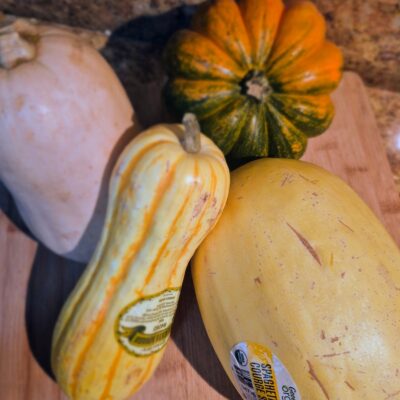
Squash Varieties + Easy Cooking Ideas


Squash Varieties + Easy Cooking Ideas
This post may contain affiliate links, that help support this blog. If you make a purchase through these links, I may earn a commission—at no cost to you. For more information read my disclosure policy.
Every fall, I look forward to squash season. Growing up, it was a staple at the market, and even now I can’t resist filling my basket with all the different shapes and colors. Each variety has its own personality—some sweet and creamy, others nutty and hearty—and they all find their way into comforting dishes in my kitchen. From soups and pastas to stuffed squash dinners, these vegetables bring warmth to the table.
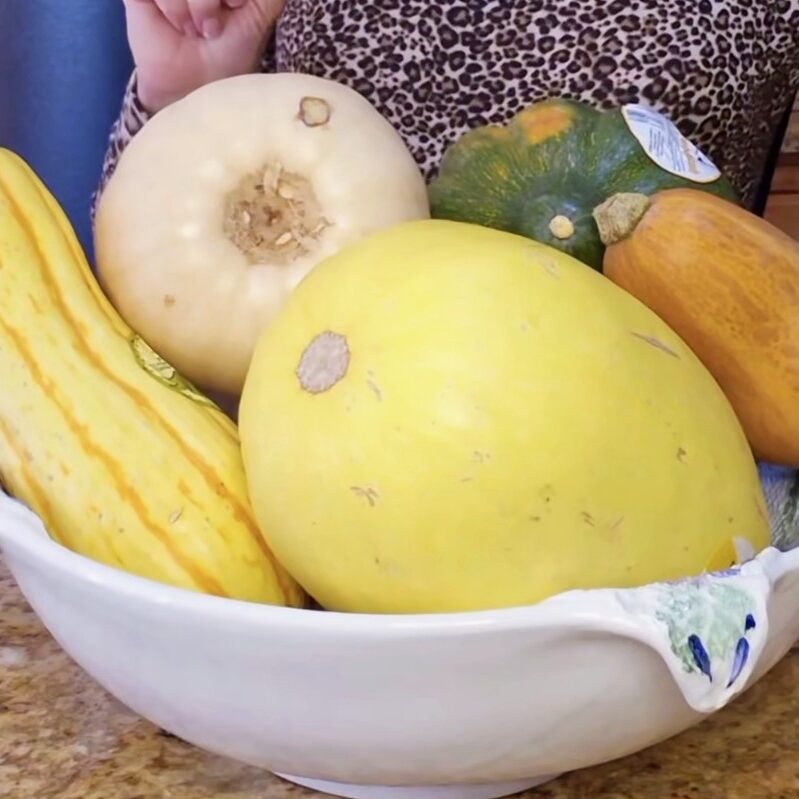
Why Squash is So Special
Squash is more than just pretty on the counter—it’s wholesome, versatile, and naturally comforting. Packed with fiber, vitamins, and antioxidants, it’s a vegetable that feels indulgent while being nourishing. And I love how it works in both savory dishes (like roasted squash with herbs or creamy risottos) and sweet recipes (cakes, muffins, even cookies).
Things to know about Squash Varieties + Easy Cooking Ideas
Common Types of Squash
-
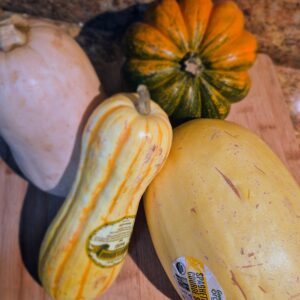
Butternut Squash
Sweet, creamy, and one of the most popular varieties. Perfect for soups, roasting, or blending into a pasta sauce. -
Acorn Squash
Mild and nutty with a tender texture. Its natural “bowl” shape makes it perfect for stuffing with sausage, rice, or grains. -
Delicata Squash
Quick-cooking with edible skin, slightly sweet flavor, and beautiful striped skin. Great roasted in slices or tossed into salads. -
Spaghetti Squash
Once baked, its flesh turns into golden strands that mimic pasta. A fun and lighter way to serve saucy dishes.
Easy Ways to Cook Squash
- Roast with olive oil, garlic, and fresh herbs.
- Stuff with sausage, rice, or seasonal vegetables.
- Puree into soups, sauces, or risottos.
- Toss into pasta or gnocchi.
- Bake into breads, muffins, or cakes.
How to pick: Look for squash that feels heavy for its size, with firm skin and no soft spots.
Storage: Whole squash keeps well on the counter for 1–2 months. Once cut, store in the fridge and use within a week. Cooked squash can be frozen for up to 3 months.
Peeling tip: Microwave a whole squash for 2–3 minutes before peeling—it softens the skin and makes it easier to handle.
A Cozy Recipe to Try: Creamy Butternut Squash Pasta with Italian Sausage
Now that we’ve explored the different types of squash and how versatile they can be, I wanted to share one of my favorite ways to enjoy butternut squash in the fall. It turns into the creamiest pasta sauce, and when paired with Italian sausage, it becomes the kind of hearty, comforting meal everyone loves.
If you’re ready to start cooking with squash, I’ve got a few more cozy recipes to get you inspired. My Italian sausage & spinach butternut squash stuffed Roasted Butternut Squash Gnocch
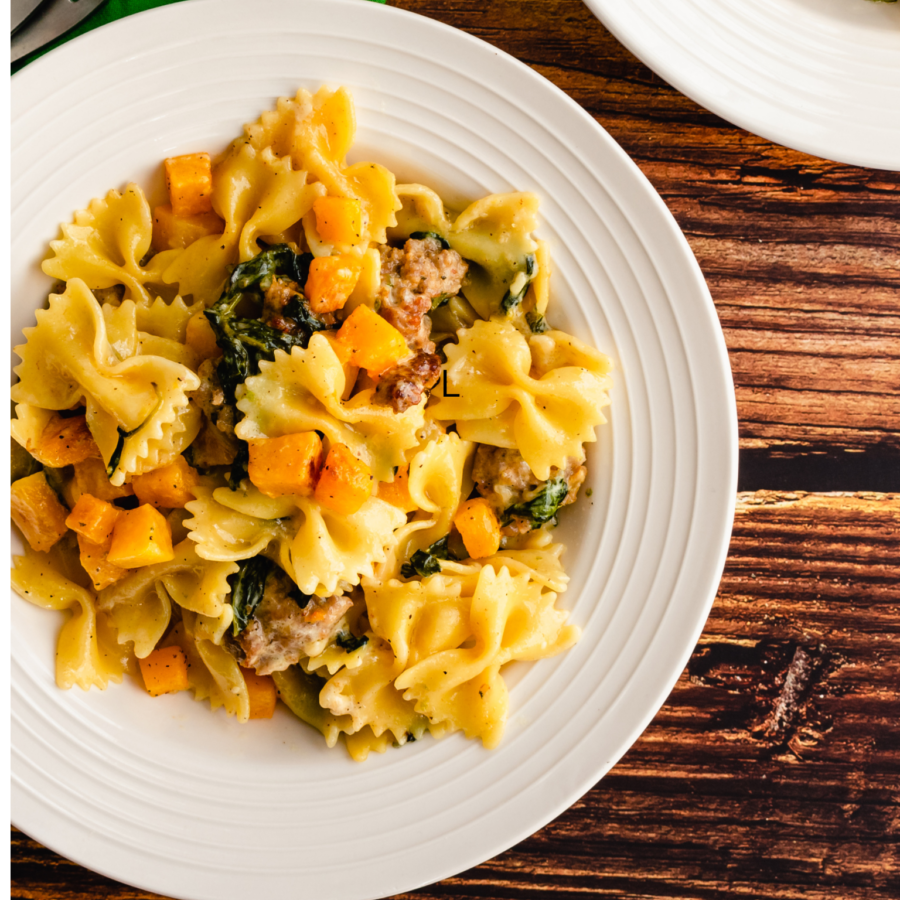
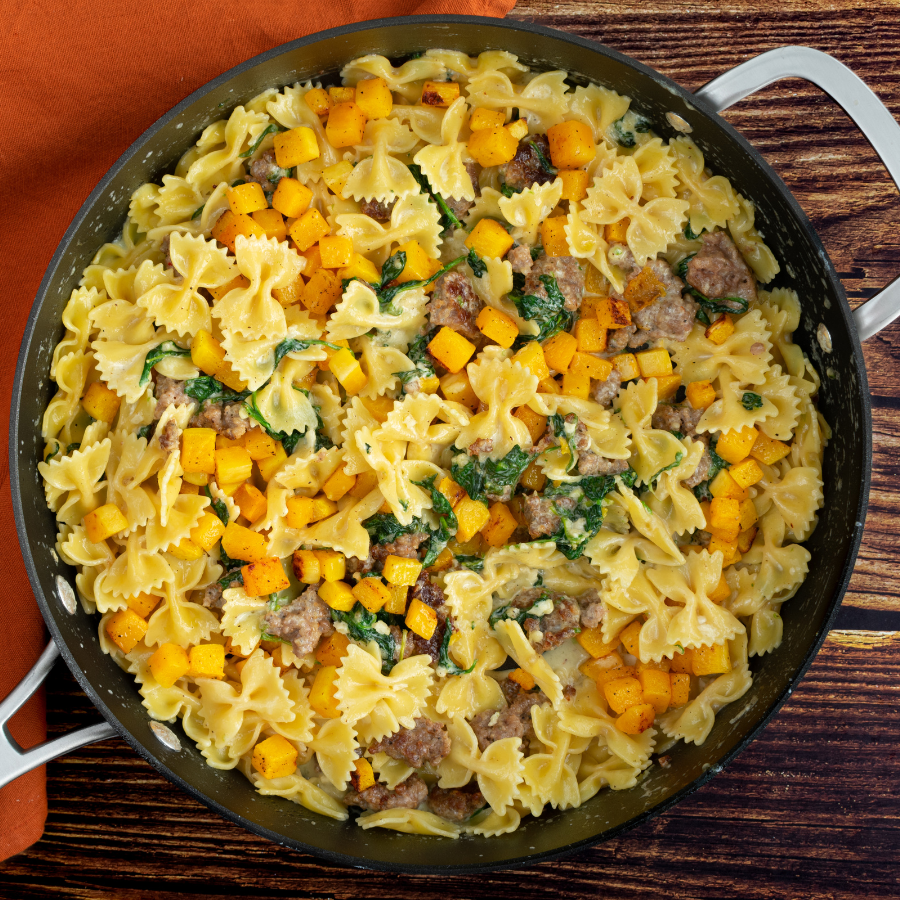
Creamy Butternut Squash Pasta with Italian sausage
Ingredients
- 1 medium butternut squash (about 2 ½–3 lbs), peeled, seeded, and cubed
- 3 tbsp olive oil, divided
- Salt and black pepper, to taste
- ½ tsp crushed red pepper flakes (optional)
- 1 lb Italian sausage (mild or spicy), casings removed
- 1 small onion, finely chopped
- 3 garlic cloves, minced
- ½ cup chicken broth (or vegetable broth)
- ½ cup heavy cream
- ½ cup grated Parmesan cheese
- 12 oz short pasta (rigatoni, penne, or orecchiette work well)
- Fresh sage or parsley, for garnish
Instructions
- Roast the Squash. Preheat oven to 400°F (200°C). Toss cubed butternut squash with 2 tbsp olive oil, salt, pepper, and crushed red pepper flakes. Spread on a baking sheet and roast for 25–30 minutes, until tender and caramelized.
- Cook the Pasta.While the squash roasts, bring a large pot of salted water to a boil. Cook pasta according to package directions until al dente. Reserve 1 cup pasta water, then drain.
- Cook the Sausage.In a large skillet, heat 1 tbsp olive oil over medium heat. Add Italian sausage, breaking it apart with a spoon, and cook until browned and cooked through. Remove sausage from the pan and set aside.
- Make the Sauce.In the same skillet, add onion and sauté until softened, about 5 minutes. Stir in garlic and cook 1 minute more. Add roasted squash and broth. Simmer for 3–4 minutes, then blend (with an immersion blender or carefully in a regular blender) until smooth and creamy. Stir in the heavy cream and Parmesan.
- Combine Everything.Return the sausage to the skillet. Add cooked pasta and toss, adding reserved pasta water as needed for a silky sauce.
- Serve.Garnish with fresh sage or parsley, extra Parmesan, and a drizzle of good olive oil. Serve warm.
More to Explore